
By Brazil Stock Guide – São Paulo’s Cantareira water system, the main reservoir network supplying Brazil’s largest metropolitan area, will operate under alert conditions starting Wednesday, July 1, after usable storage fell below 40% at the end of June.
The system recorded 39.87% of its usable volume on Tuesday, down from 40.52% on May 29, according to Brazil’s National Water and Basic Sanitation Agency, known as ANA, and São Paulo’s water agency, SP Águas. The change triggers stricter operating rules set under a 2017 joint resolution adopted after the severe water crisis of 2014 and 2015.
Under the alert status, Companhia de Saneamento Básico do Estado de São Paulo, or Sabesp (SBSP3; SBS), may withdraw up to 27 cubic meters per second from the Cantareira system in July. Under normal conditions, the company is allowed to withdraw as much as 33 cubic meters per second.
The move comes during Brazil’s dry season, which runs from June 1 to November 30. During this period, water releases to the Piracicaba, Capivari and Jundiaí river basins, known as the PCJ basins, are defined through communications from the basin committees to SP Águas.
To mitigate the lower withdrawal limit, Sabesp may also use any water transferred from the Jaguari hydroelectric reservoir, in the Paraíba do Sul river basin, to the Atibainha reservoir, provided it complies with its authorized limits. The interconnection, in operation since 2018, was designed to strengthen water security for Greater São Paulo.
ANA and SP Águas said water utilities should adopt demand-management measures, including reducing consumption, cutting losses and encouraging more efficient use of water. The agencies also recommended that other water users adopt conservation measures to preserve reservoir levels.
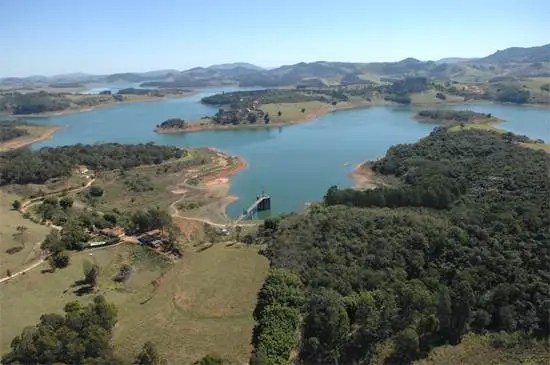
Cantareira supplies about half of the population of the São Paulo metropolitan region and also supports multiple water uses, including supply to Campinas and areas within the PCJ basins. The system is made up of five interconnected reservoirs: Jaguari, Jacareí, Cachoeira, Atibainha and Paiva Castro. Together, they hold 981.56 billion liters of usable water.
Although the reservoirs are located entirely in São Paulo state, part of the water feeding the system comes from federally regulated rivers, as some have headwaters and stretches in Minas Gerais. The system is therefore jointly managed by ANA and SP Águas, which monitor water levels, flows and storage daily to guide operational decisions.
The agencies said current rules remain adequate for managing the Cantareira system, providing greater predictability for operations and supporting water security for both Greater São Paulo and the PCJ basins.