By Brazil Stock Guide – Catia Porto took over as Vale’s global head of HR in December 2024. Two months later, in February, she used her social media to comment on a Wall Street Journal article, arguing that “woke” culture was losing ground in corporations. She said that diversity, equity and inclusion (DEI) policies were gradually giving way to what she called MEI — merit, excellence and intelligence. “Performance is the name of the game now,” she wrote.
It was not an offhand remark but an attempt to capture a trend. In the US, Donald Trump’s return to the White House has brought a forced rollback of inclusion policies: companies such as Meta, Amazon, Boeing, Walmart and McDonald’s have scaled back diversity teams and programmes, echoing the president’s rhetoric.
By importing that debate into Vale, Porto aligned herself with a “global fad” but overlooked the resistance it still faces — and the distinct nature of Brazil’s corporate culture. HR itself magnifies these tensions: some departments treat certain agendas as untouchable bibles, others dismiss them as passing fashions. Porto tried to translate this back-and-forth — but in mining, a sector built on pragmatism, the rhetoric jarred.
Between DEI and MEI
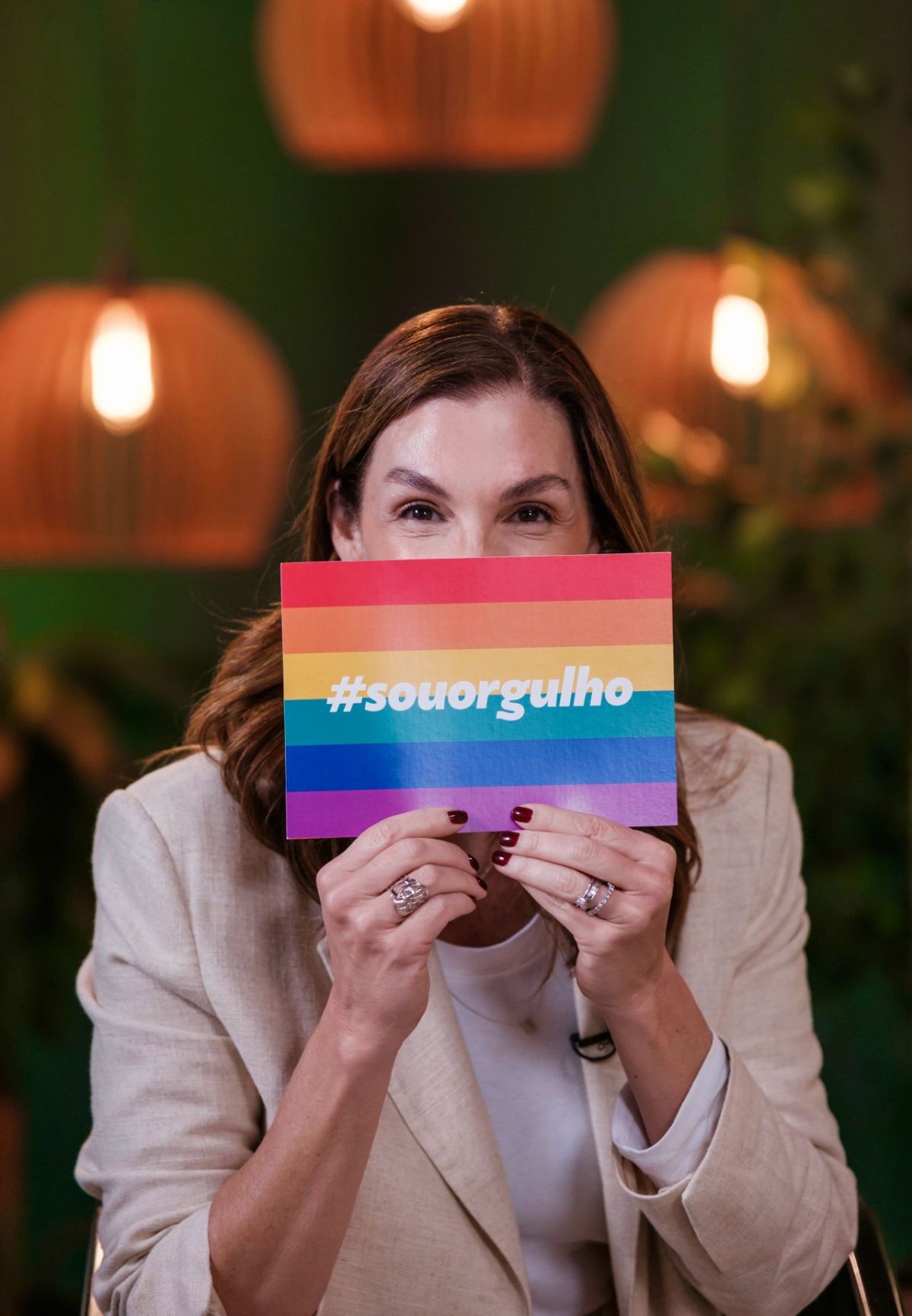
Vale is a global giant with operations in more than 30 countries. While the company has sought to expand opportunities for women in leadership, signaling modernization in a historically male-dominated sector, its power dynamics remain patriarchal. Against that backdrop, her statement felt misplaced: rather than reinforcing the inclusion strategy, it seemed to undercut it — precisely as she was leading programs such as SouELLA (for women), SouNegritude (for Black employees), and LGBTQ+ inclusion initiatives.
Porto is no newcomer to diversity debates. A trained psychologist, she held senior HR roles at multinationals including BAT, UnitedHealth and Carrefour, and led award-winning initiatives. She built visibility as a mentor for women and an advocate for inclusion, cultivating about 75,000 LinkedIn followers and blending corporate branding with personal narratives — from her sabbatical to the story of cutting her cat’s whiskers, from Carajás to the C-Journey in Madrid. Yet the February post lingered as a scar: the executive who promoted inclusion was also the one who announced the “replacement” of DEI by a new acronym.
Ten months later, Vale dismissed her quietly, without an official statement. The company reiterated its commitment to diversity and inclusion. The reasons for her departure remain speculative: for some, her high-profile digital presence was excessive in a sector wary of individual protagonism; for others, the problem lay in delivering tangible results.
Caught between global discourse and local practice, Catia Porto became a character in a culture clash hard to navigate. Would she have been judged the same way — or tolerated with more patience — if she were a man?