By Brazil Stock Guide – Demand-driven curtailment — mandatory cuts in power generation when supply exceeds consumption — should be borne solely by investors, Brazil’s Energy Minister Alexandre Silveira said Tuesday (23). He stressed that compensation will only be considered when cuts stem from shortcomings in state planning or infrastructure.
The statement came just days after the national grid operator ONS warned that distributed generation, now exceeding 25 gigawatts and representing more than 10% of installed capacity, is straining the National Interconnected System (SIN). On May 4 and Aug. 10, surges in rooftop solar and other small-scale projects impaired ONS’s ability to control frequency and voltage, prompting regulator ANEEL and utilities group Abradee to draft new operational protocols.
“If curtailment results from lack of structure and public planning, there is room to discuss compensation. If it is caused by lack of demand, it is the investor’s risk,” Silveira told reporters after a ceremony renewing Neoenergia Pernambuco’s (B3: NEOE3) concession in Brasília.
Grid bottlenecks
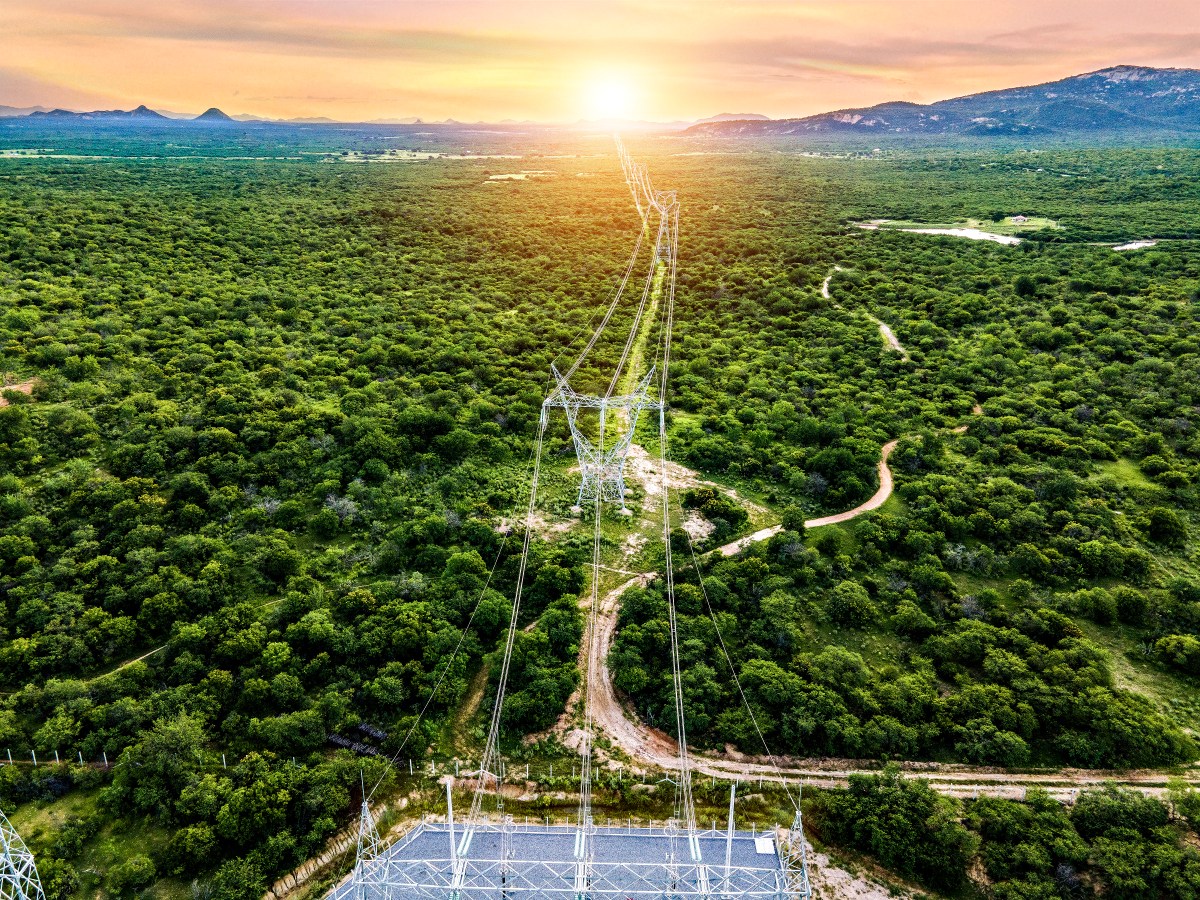
Brazil’s renewable boom has consolidated the country as a global clean-energy leader. Yet the rapid growth exposes bottlenecks: during midday solar peaks or strong wind regimes in the northeast, supply can outpace demand, driving spot prices lower and forcing ONS to order cuts.
Hydropower plants remain on standby to balance the grid, but declining rainfall in central and southeastern Brazil is eroding that buffer. As reservoirs shrink, thermal plants are dispatched more frequently, raising costs for consumers and increasing fossil-fuel emissions.
Investors, utilities and consumers
New protocols expected by 2026 will likely impose stricter technical standards and higher connection costs on distributed projects, including cooperatives and investment funds. For utilities, tighter oversight may bring predictability but also higher monitoring expenses. For consumers, stability may come at the price of more expensive distributed generation.
For renewable investors, the minister’s message was blunt: insufficient demand is a market risk that cannot be shifted onto households. The test now is whether regulators can move quickly enough to prevent technical and climate pressures from undermining Brazil’s role as both a clean-power leader and a pioneer in renewable-grid integration across Latin America’s largest electricity system.