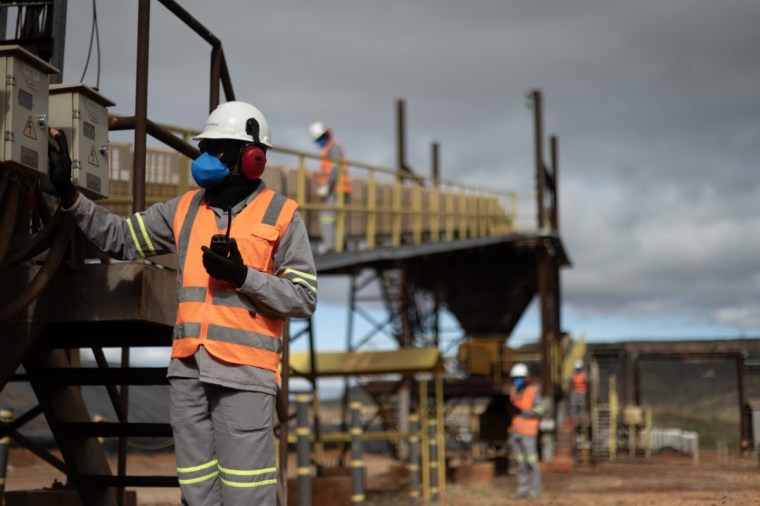
By Brazil Stock Guide – Vale S.A. (B3: VALE3; NYSE: VALE) posted its best quarterly iron ore production in seven years, reaching 94.4 million tonnes (Mt) in the third quarter of 2025, up 4% year-on-year. The surge was driven by record output at the flagship S11D complex and advances in ramp-ups across its Northern and Southeastern systems. Sales totaled 86 Mt, 5% higher, as the company benefited from improved price realization — with iron ore fines fetching an average of US$94.4/t, a 4.2% increase year-on-year.
The world’s second-largest iron ore producer is tracking toward the upper range of its full-year production guidance of 325–335 Mt, signaling operational stability after years of disruptions. However, pellet output fell 23% to 8 Mt amid weaker market conditions, leading Vale to redirect pellet feed to higher-margin fines sales. The São Luís pellet plant remains under maintenance and is not expected to resume operations in 2025.
Copper and nickel operations also advanced. Copper production rose 6% to 90.8 kt, supported by strong performance at Salobo and increased output from Voisey’s Bay and Sudbury. Nickel output was stable at 46.8 kt, with a record at Long Harbour refinery offsetting maintenance in Copper Cliff. The successful start-up of the second furnace at Onça Puma, adding 15 ktpa of capacity, sets the stage for production growth in upcoming quarters.
The pricing environment favored Vale’s portfolio shift. The company’s all-in premium for iron ore climbed to US$2.1/t, reflecting greater sales of low-alumina products such as BRBF and Mid-Grade Carajás. Copper’s realized price rose nearly 9% to US$9,818/t, tracking higher LME quotes, while nickel’s price fell 9% year-on-year to US$15,445/t due to weaker global demand.
Vale highlighted that all three of its core segments — iron ore, copper, and nickel — are moving toward the upper end of their 2025 production guidance ranges. The company’s ability to execute maintenance plans, manage product mix, and sustain premium pricing will be key as it navigates softer steel demand in China and volatile base-metal markets in 2026.