
Dior’s Air Jordan 1: a collab that turned sneakers into haute couture — and sneakerheads into patrons
By Rodrigo Uchoa, special for Brazil Stock Guide
Fashion has always been a shape-shifter. But today the industry’s pivots are not cyclical mood swings so much as sprint finishes—and the starter pistol is social media. TikTok and Instagram compress discovery, taste formation and backlash into a single weekend, making trends burn hotter and shorter. In place of leisurely, generational shifts, brands are scrambling to reposition themselves quarter by quarter—often by borrowing other people’s codes. Collaborations, once side-projects for merch tables, have become board-level instruments: a fast way to reframe heritage, court new tribes and test prices without detonating the core line.

Consider the luxury end, where the weather has chilled and timelines have shortened. As growth slows, boardrooms stare at dashboards that move at the speed of a For You feed. Collabs promise cultural reach on a budget of time: plug into an existing community, import its language, and rent relevance while the mainline catches up. The modern playbook was codified in 2017, when Louis Vuitton and Supreme performed a culture-swap live on the runway. The pop-ups drew hundreds; resale prices spiked within hours; the famed red-monogram trunk hit eye-watering sums. For Vuitton the payoff was strategic: permission to speak street without losing silk-lined gravitas. For everyone else, it was a memo.
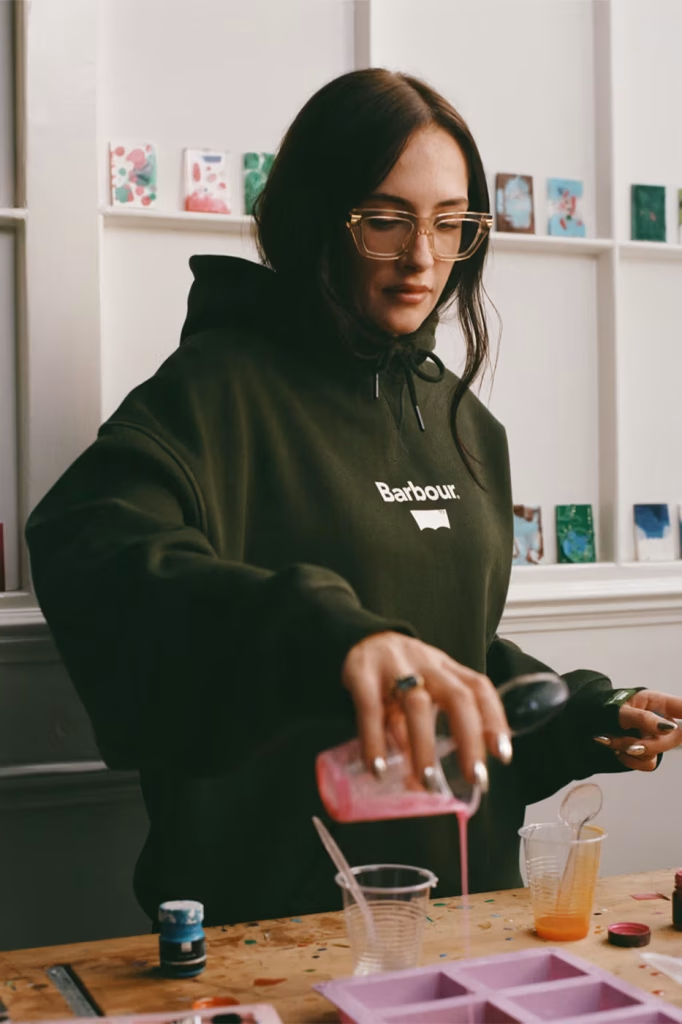
At the other end of the taste spectrum sits Barbour, Britain’s waxed-cotton byword for damp hedgerows and sensible wellies. The company’s countryside bona fides are unimpeachable—family-owned since 1894, stitched into British culture and the royal wardrobe alike. Yet even this quiet-luxury stalwart is remixing its DNA. The Barbour × Levi’s tie-up turns the field jacket into a street-leaning trucker: think a Type II waxed-cotton Trucker, corduroy collar and brass hardware, worn with selvedge rather than wellies. Prices tell the repositioning story as clearly as the cut: mid-hundreds in pounds for core models, climbing toward four figures for limited, shearling-lined variants. Country meets city—with margins to match.
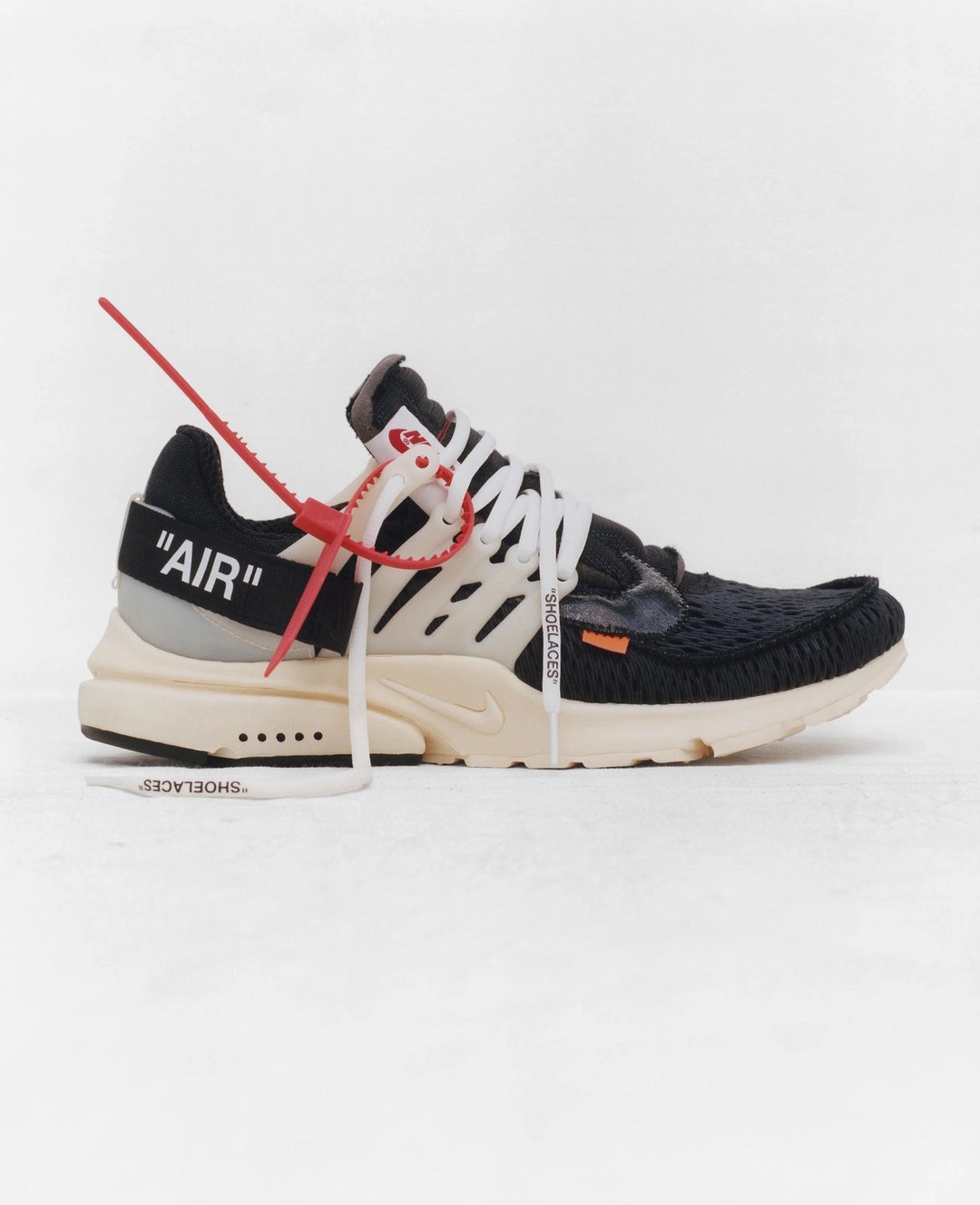
Sportswear learned these lessons early. Nike’s long-running dance with the late Virgil Abloh reimagined Swoosh icons as conceptual objects with quotation marks and zip-ties—and sparked a resale economy that made accountants blush (retails around the low hundreds routinely turned four-figures). When Dior’s Air Jordan 1 landed at a $2,000 sticker, it confirmed that athleisure had graduated to haute; sneakerheads became patrons and boutiques became ticketed events. Adidas, for its part, has spliced terrace classics with salon credibility via Wales Bonner; a marked-up Samba is now as likely to pair with a pleated skirt as with a terrace chant.
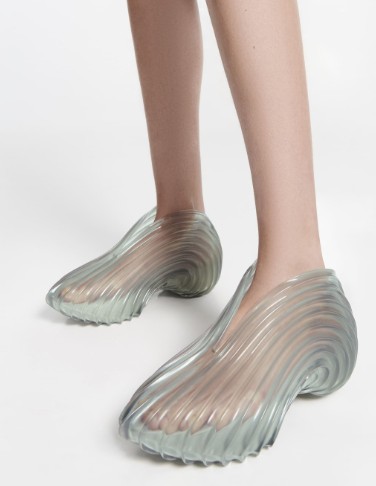
The humour writes itself: performance footwear, now with peak performance pricing. Brazil is very much in on the act. Quick examples abound: Melissa × Diesel piped club-hard attitude into jelly-tech plastics; Arezzo × FILA ran a second lap of retro-athletic grammar; and Havaianas ranged from Dolce & Gabbana baroque flip-flops to a Zara capsule timed to the Spaniards’ 50th celebrations. Each serves the same strategic end: refresh the logo’s meaning, borrow a new audience, and give social feeds something to swoon over between one micro-trend and the next.
But Brazil’s most telling repositioning may be happening in the once-unflashy aisles of Hering. Long the sovereign of basic tees, Hering has been rolling out concept stores and widening the wardrobe from “workhorse cotton” to a breezier, beach-adjacent lifestyle—territory that once belonged to preppy-praiano labels such as Richards. The brand has co-opted fresh eyes via collaborations with the carioca Welcome, translating fisherman chic into parkas with cord collars, baggier denim and knit polos—designed-but-relaxed uniforms Millennials and Gen Z can wear from brunch to bus stop. There is a pricing play, too. As global fast-fashion leaders have nudged upward with premium fabrics and glossier concepts, Hering has slid neatly into the accessible slot beneath, looking markedly more “fashion” than its old basics wall while charging far less than the imported high-street layers above it.
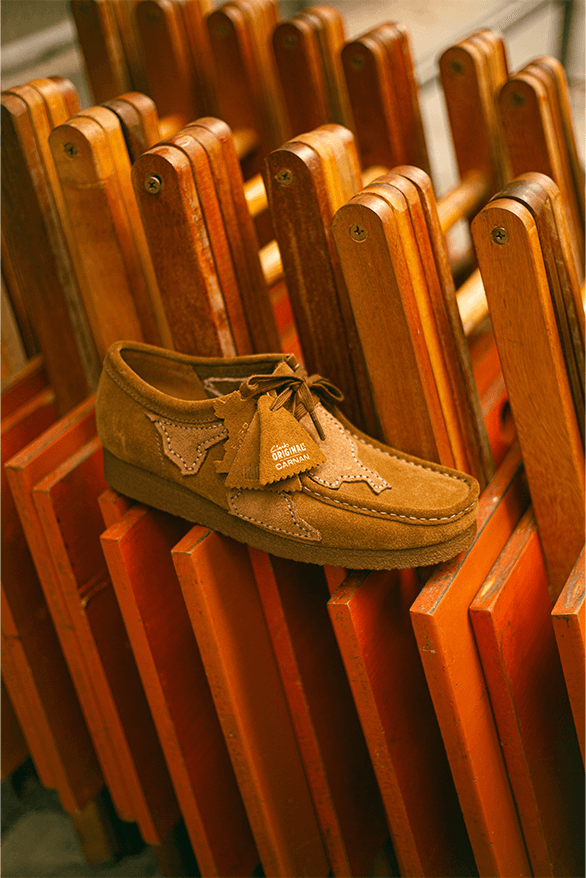
Beyond apparel, Brazil’s creative-economy mash-ups show how collabs double as content engines. A Belo Horizonte ready-to-drink cult—Xeque-Mate—teamed with São Paulo leather-goods outfit Katsukazan on bags, wallets and tees, turning a beverage brand into a lifestyle proposition with street-friendly price points and even friendlier Instagram presence. Meanwhile a British icon of Swinging London footwear, the Clarks Wallabee, is back on Brazilian moodboards thanks to a first-ever Latin collab with Rio’s Carnan, reworking the moccasin-ish classic with carioca craft and drop-day buzz. The products are the point; the posts are the multiplier.
Why does this work? Because social media collapses the distance between manufacturer and micro-tribe. A collaboration is, in essence, a negotiated shortcut: it borrows another community’s trust, drops into its timelines, and earns the right to charge more (or sell out faster) by offering a story that scans in a five-second scroll. It is also a price lab. Brands can test how far customers will follow a logo into new materials and margins without riddling the main line with risk. Vuitton learned that with Supreme; Barbour is learning it with Levi’s; Nike wrote a case study with Abloh; Hering is doing it on the high street.
Purists may tut. Yet the economic logic is crisp. In a tough luxury climate, collaborations lower the cost of cultural relevance: borrowed equity, accelerated storytelling and instant video fodder for feeds that move faster than catwalks. They are also career moves for designers and stylists who bring their own audiences; the stamp on the swing tag now matters as much as the stitch on the seam. Some experiments will misfire. A few will age about as well as neon camo. But the alternative—waiting for “organic” generational drift—looks quaint when a TikTok trend can age an entire product line in a fortnight.
And so the new runway is as much the algorithm as the avenue. From South Shields to São Paulo, labels are hunting for lifelines—call them collablines—in a market where attention has a shorter half-life than a pop-up queue. If survival today means making friends with the kids at other lunch tables, brands seem happy to trade seats: heritage next to hype, countryside beside club night, basic tee beside beach cardigan. As for Gen Z, they’ll follow—so long as the story is fresh, the drop is limited, and the screenshot looks good. After all, in 2025 the most important front row isn’t in Milan, Paris or Tokyo. It’s in your palm.