
By Brazil Stock Guide – Taesa (TAEE11) has placed the renewal of transmission concessions at the center of its long-term strategy. During the third-quarter 2025 earnings Q&A, CEO Rinaldo Pecchio said the company is conducting economic and regulatory studies and engaging in active discussions with Brazil’s Ministry of Mines and Energy (MME) and power regulator Aneel to anticipate the debate over expiring contracts. He argued that renewal — rather than re-auction — is the most efficient way to preserve tariff moderation, operational continuity, and sustainable returns for shareholders.
Pecchio added that Taesa is working alongside other transmission operators to build a unified technical proposal. A final decision is expected before 2027, when companies must formally declare their intention to maintain or return their concessions. “We are proactively engaging with the MME and Aneel. Our goal is to show that operational excellence and financial efficiency should weigh in the decision. Taesa is a service-quality benchmark, and that must be recognized in the regulatory process,” he said.
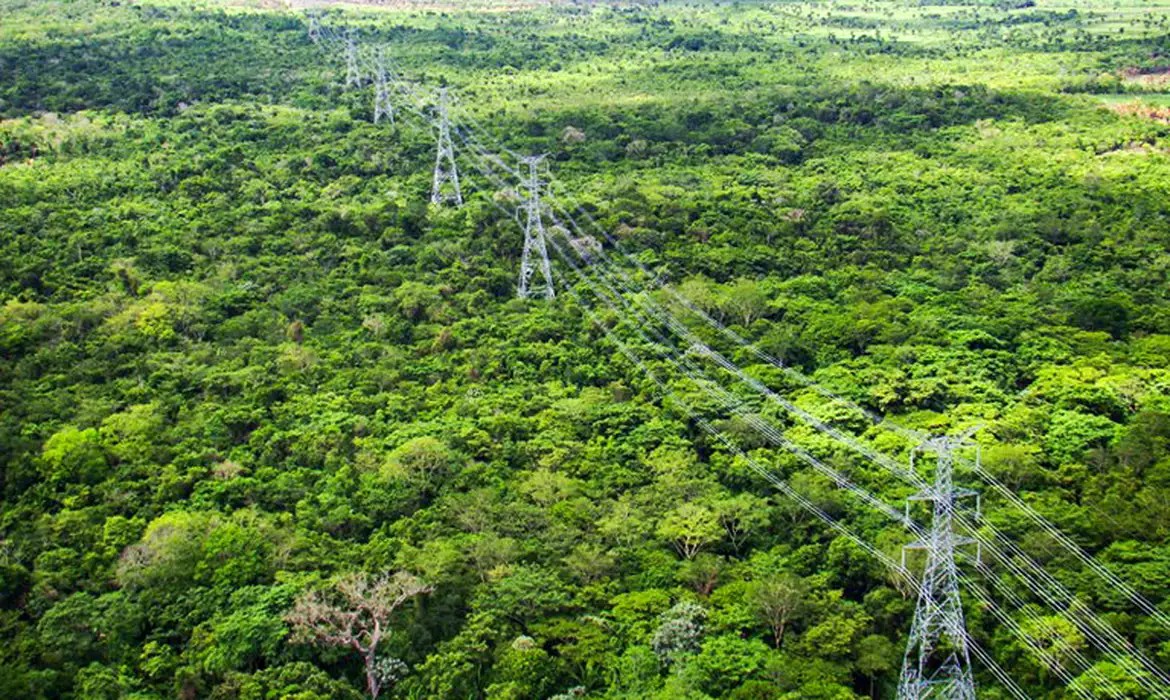
The concession renewal debate is, in practice, the key long-term variable for Taesa’s valuation. It goes beyond a single tariff cycle — shaping the continuity of multi-billion-real regulated cash flows and the sector’s risk profile. By leading the discussion with regulators, Taesa is leveraging its strongest asset — a 99.9% availability rate across its network — to gain technical and political ground. While the government seeks affordability and transparency, the company argues that renewal ensures system reliability and long-term investment confidence more effectively than re-bidding existing assets.
Alongside the regulatory agenda, management reaffirmed its 100% payout policy on regulatory net income. CFO Cátia Pereira said the approach reflects strong cash generation and capital discipline. “Our priority is to translate operational efficiency into cash flow. That’s what allows us to sustain high dividends without jeopardizing growth,” she said, ruling out new equity offerings or capital raises in the near term.
On growth opportunities, Director of Business Maurício Dall’Agnese emphasized Taesa’s conservative stance in recent transmission auctions. The company took part in Brazil’s 004/2025 round, assessing five lots, but withdrew as average discounts reached 48%. “We remain disciplined in capital allocation. There are two auctions scheduled for 2026, and we’ll pursue projects that align with our return thresholds and strategic focus,” he said. Dall’Agnese also pointed to battery storage as a key frontier for the sector, with Taesa closely following the ongoing design of the regulatory framework.
Financially, Taesa’s leverage stood at 4.1×, with deleveraging expected from 2026 as new projects come online. The company’s real cost of debt is 5.6%, and both Moody’s and Fitch reaffirmed its AAA national rating. Pereira noted that leverage is stable and consistent with the firm’s dual focus on growth and full dividends.
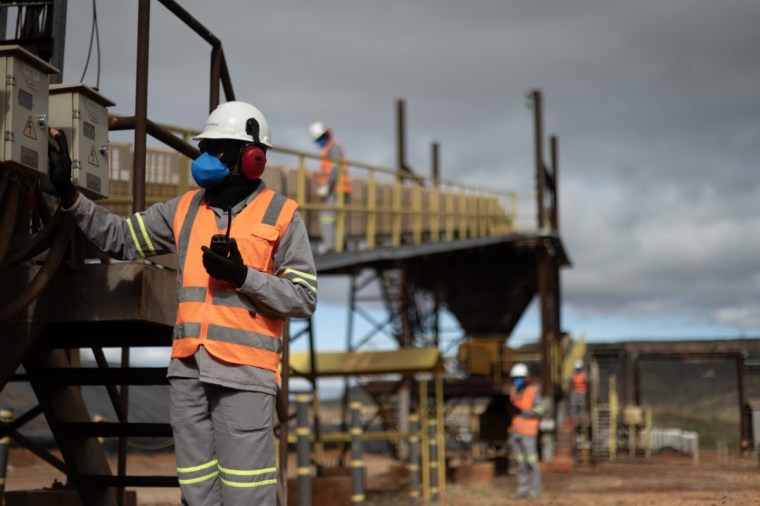
Operational results reinforced that narrative. Regulatory EBITDA rose 12.6% year over year to R$548.8 million, with a margin of 84.5%. The variable portion (PV) fell to 0.28% of RAP over the first nine months, reflecting near-perfect availability. Technical Director Luiz Alves said the company restructured its maintenance model, expanded the use of drones, sensors, and thermographic inspections, and now monitors over 80% of its equipment in real time. “Predictive monitoring allows us to act before failures occur, improving reliability and cutting costs,” he explained.
The Q&A underlined Taesa’s consistent positioning as a low-risk, high-discipline operator — a company balancing dividends and deleveraging, efficiency and expansion, and innovation with regulatory foresight as Brazil’s transmission sector prepares for its next concession cycle.