
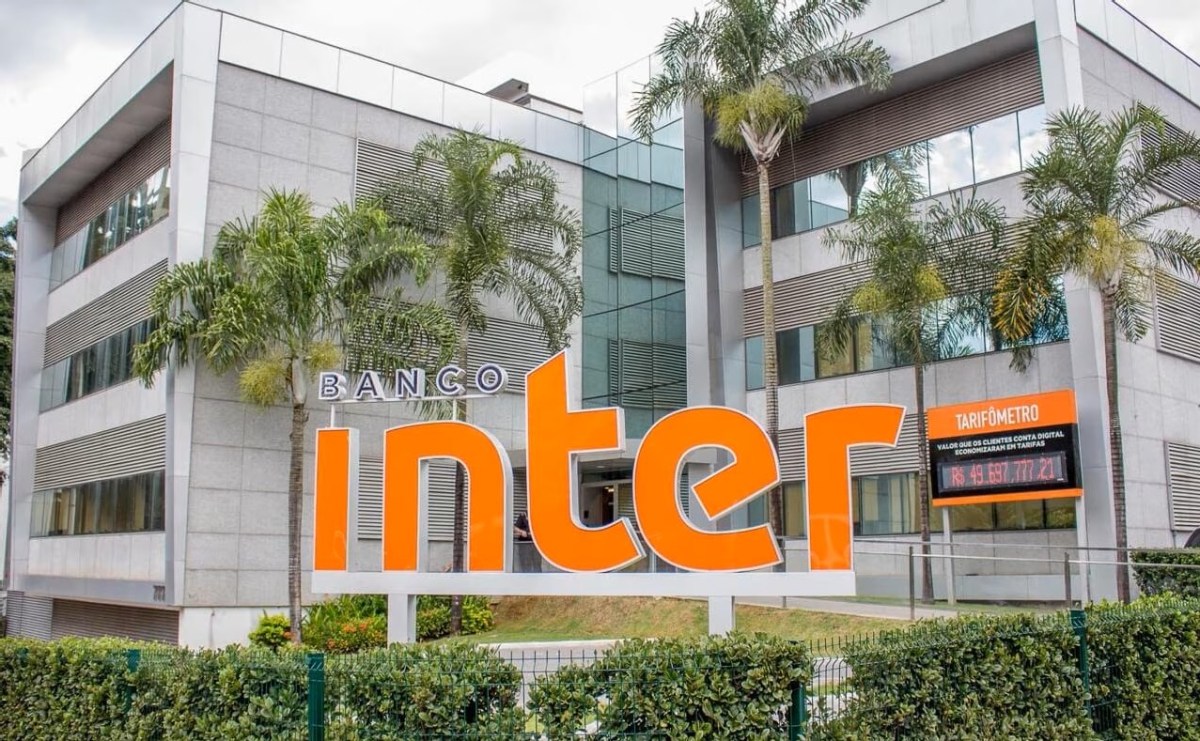

By Brazil Stock Guide – Inter posted a record net income of R$336 million, yet its 14.2% ROE remained far from the bank’s 30% target. Executives said Brazil’s 15% Selic continues to slow credit monetization and keeps the loan book smaller than planned, limiting returns even as efficiency, engagement and margins improved.
The bank added 2 million new clients, reached new highs in daily activity and expanded its loan book 30%, outperforming incumbents. Still, profitability barely moved. “Today our biggest headwind is the Selic,” CEO João Vitor Menin told analysts.
NIM expansion and loan-mix constraints
CFO Santiago Stel said NIM rose through repricing across mortgages and payroll loans, a gradual shift toward higher-yielding credit card balances and stronger treasury income. Roughly one-third of the public payroll loan portfolio still offers repricing potential. Stel noted that SME credit should accelerate once Brazil launches the Duplicatas Escriturais clearinghouse next year.
Private payroll loans lift returns but pressure risk in early formation
The 5.35% cost of risk stemmed almost entirely from upfront provisioning for private payroll loans, which are still in early-stage formation. Stel said delinquency should converge to high single digits as cohorts mature and stressed that the product already delivers ROE above 30%, though still too small to affect consolidated returns.
Analysts focus on Stage 2/3, cards and growth versus incumbents
Analysts questioned the rise in Stage 2 and Stage 3 ratios. Stel said all variation came from private payroll loans; mortgages and cards remained stable. Cards improved profitability as interest-earning balances rose from 20% to 23%, supported by improved underwriting, PIX financing and new installment options. COO Alexandre Riccio said Inter has a “right to win” due to scale, UX and competitive funding, explaining how it grows credit at 30% while incumbents de-risk.
Mortgage, home equity and FX gain share
Inter reached 8.9% market share in home equity, becoming Brazil’s second-largest originator. Mortgage growth benefited from market-based pricing amid declining savings-account balances nationwide. FX and global account activity increased, lifting the bank’s FX market share to 8.4%. Menin said Inter sits in a competitive “sweet spot” between incumbents and fintechs.
Fee income hit by one-offs; funding remains a strength
Fee income slowed because of two non-recurring effects totaling R$30 million: the shutdown of a small design subsidiary and regulatory impacts on deferred credit fees. Excluding these items, fee income would have grown 7%. Stel said medium-term fee growth should approach 20%, driven by FX, global accounts, insurance, cards and BNPL.
Funding rose 35% to R$68 billion, with deposits per active client above R$2,000 for the first time. Cost of funding reached 68.2% of CDI, or 65.1% when adjusted for business days. Leverage improved, with the assets-to-equity ratio rising from 7.9x to 9.4x.
Inter’s operating momentum is strong, but ROE remains the missing piece. Executives said scaling the private payroll portfolio, unlocking SME credit through Duplicatas Escriturais and eventual Selic cuts are essential to lift long-term returns. Menin closed the call saying the bank is “well positioned to capture the next cycle when the environment allows.”