
By Brazil Stock Guide – Cosan S.A. (B3: CSAN3; NYSE: CSAN), under the controlling stake of Rubens Ometto Silveira Mello, reported a net loss of R$1.185 billion in the third quarter of 2025 — the last quarterly result under his sole control — reversing the R$293 million profit posted a year earlier. The result was primarily impacted by a sharp reduction in equity income, reflecting weaker performance at Raízen and the exit from the stake in Vale, combined with a challenging macroeconomic environment of high interest rates and lower commodity prices.
The company’s managed EBITDA — which includes 100% of the adjusted results of its businesses — came in at R$7.4 billion, an 11% drop compared to the R$8.4 billion in 3Q24. The corporate holding ended the period with a net debt of R$18.2 billion, up 4% from the previous quarter, and a Net Debt Service Coverage Ratio (ICSD) of 1.0x, down from 1.2x in 2Q25.
Portfolio Performance: Raízen and Radar Lag
Cosan’s portfolio showed a mixed performance. While Rumo and Compass posted increases in adjusted EBITDA — up 4% and 6%, respectively — Raízen and Radar declined.
Raízen, the joint venture with Shell, saw its adjusted EBITDA shrink by 14% to 3.3 billion reais, pressured by a lower contribution from the Ethanol, Sugar, and Bioenergy (EAB) segment, with reduced traded volumes and less diluted costs. Radar, the agricultural property management arm, registered a 26% drop in EBITDA to 106 million reais, reflecting lower lease revenues.
Moove, in the lubricants segment, also declined (-7%) but highlighted a volumetric recovery and the receipt of 500 million reais in insurance indemnities related to the fire at its Rio de Janeiro plant.
Capital Structure Under Pressure
Cosan Corporate ended the quarter with gross debt of 21.6 billion reais, an average cost of CDI+0.89%, and an average term of 5.9 years. The company maintained its active liability management strategy, with bond and debenture buybacks aimed at extending the debt profile and reducing costs.
However, the dividend flow received by the holding company fell drastically: 48 million reais in the quarter, compared to 343 million reais in 3Q24. On a trailing twelve-month basis, the drop was 39%, to 2.3 billion reais — explaining the deterioration in the debt service coverage ratio.
Focus on Restructuring and Equity Offerings
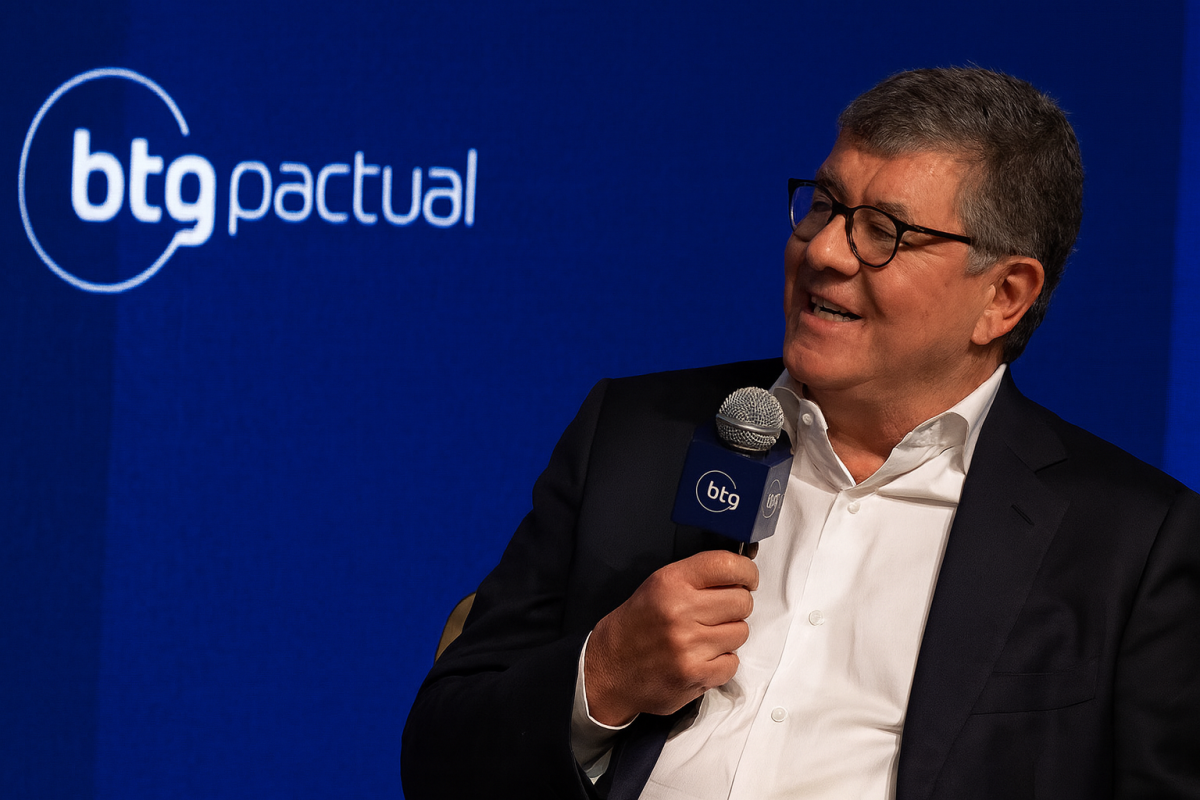
Amid the adverse scenario, Cosan entered into a shareholders’ agreement with Aguassanta, BTG Pactual, and Perfin, and concluded on November 14 two primary public offerings of common shares, totaling 2.1 billion shares at a price of 5.00 reais each — a total raise of 10.5 billion reais. The proceeds are intended to strengthen the corporate capital structure and reduce the holding company’s debt.
“In a quarter marked by challenging macroeconomic headwinds, we remain focused on the disciplined management of our portfolio and the strength of our balance sheet,” management stated in the report.
Outlook
Despite the negative quarterly result, Cosan maintains a clear strategy of deleveraging and portfolio optimization. The completion of the primary offerings is expected to provide financial flexibility, while business diversification — with highlights from Rumo and Compass — helps to cushion sector-specific shocks. The evolution of dividend receipts, especially from Raízen, will be crucial for the debt reduction trajectory throughout 2026.