
Brazil quietly launched, at COP30, its new municipal Water Security Index (ISH, in its Portuguese version). Last week, it published the 2025 edition of the Water Resources Outlook Report, which brings the first consolidated ISH results. The diagnosis is unambiguous: 22.2% of municipalities already operate at low or minimal levels of urban water security, while 58% show weak resilience to prolonged droughts. Scarcity is no longer a projection. It has entered daily life.
The national picture exposes the structural asymmetry of Brazil’s great water tank. In the Northeast, the most critical municipalities cluster around intermittent rivers, overstressed reservoirs and chronic sanitation gaps. In the far south of Rio Grande do Sul, intensive rice irrigation competes directly with urban supply under increasingly irregular rainfall. In the Southeast, water remains available in volume but arrives degraded by pollution and watershed destruction. The index shows that one in every three municipalities already carries material water risk for its local economy, affecting agribusiness, livestock and industry. Climate change merely accelerates a deeper structural flaw: shorter recharge cycles, longer dry spells and concentrated rainfall that produces floods without rebuilding reserves.
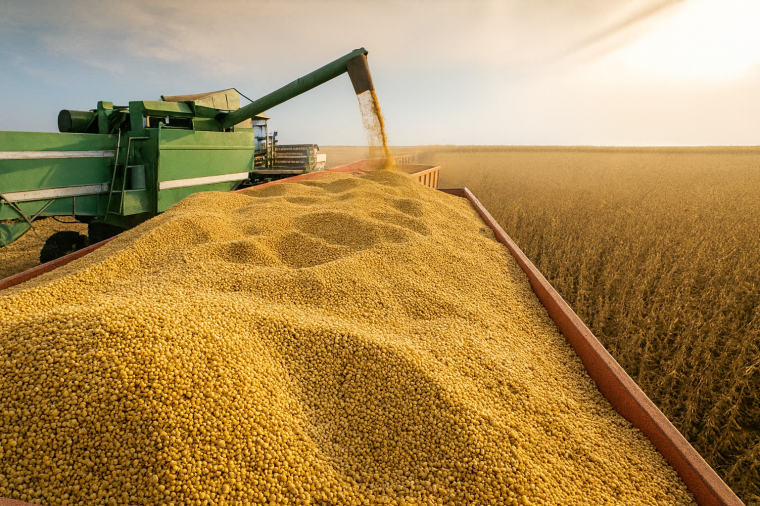
The immediate danger lies in the collision between climate stress and infrastructure stretched to its limits. Greater São Paulo is heading into summer with reservoir levels at their lowest point in a decade, close to the conditions that preceded the 2014–2015 water crisis. Nationally, irrigation still absorbs more than half of all water withdrawn, while losses in urban distribution systems remain incompatible with any logic of scarcity management. Water quality is also deteriorating: 27% of municipalities now rank at the minimum level in the environmental dimension of the index, largely due to untreated organic pollution. Without integrating water policy with sanitation, land use, energy and climate adaptation, each new drought continues to be treated as an exception — even as it becomes the rule.
Brazil unveiled its index as if checking the bill after the dinner was already served. But the crisis has reached the taps first. If the country’s water-use model is not revised immediately, Brazil will go on exporting food and energy — and importing water collapses.