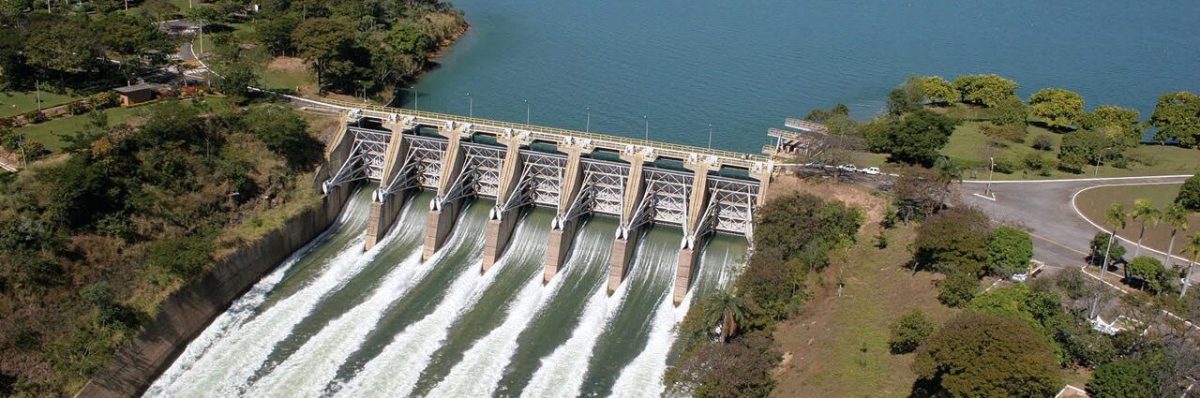
By Brazil Stock Guide – Companhia Energética de Minas Gerais (Cemig) (CMIG3, CMIG4; NYSE: CIG) approved a R$44 billion investment plan for 2026–2030, about $9 billion, moving ahead with a long-term operational strategy even as the Minas Gerais government fails to deliver the long-promised privatization of the utility. The decision comes with Governor Romeu Zema, now a pre-candidate in Brazil’s 2026 presidential race, facing a narrowing political window before leaving office on April 4, 2026.
Scale of the plan
In 2026, the first year of the cycle, Cemig expects to invest R$6.7 billion. Distribution will absorb R$5.27 billion, nearly 80% of the annual total, highlighting the push to modernize and harden power grids across Minas Gerais. Transmission is set to receive R$632 million, while centralized generation will take R$197 million. The company also earmarked R$375 million for distributed generation and R$227 million for natural gas projects, alongside smaller allocations for technology and innovation.
Strategy without privatization
The plan updates the Focus on Minas and Win strategy launched in 2019, which reshaped Cemig through divestments of non-core assets and efficiency gains. The revised agenda prioritizes safety, operational excellence, grid modernization, generation expansion, preparation for full retail market opening and leadership in the energy transition, supported by digitalization and new technologies.
The investments will allow Cemig to capture structural opportunities in the power sector, strengthen system reliability and sustain long-term value creation, the company said in its regulatory filing.
Short political runway
The investment push unfolds as the state government openly acknowledges the difficulty of privatizing Cemig within the current mandate. In this week, Zema has said he still supports privatization, but described the timetable as “very tight” to complete a sale before stepping down in April 2026. Any transaction would still require approval from the Minas Gerais state assembly.
Zema also indicated that Cemig no longer sits at the center of his remaining management agenda, expressing hope that vice-governor Mateus Simões de Almeida, who will assume office, can carry the process forward. For now, the government’s priority remains the privatization of Copasa, the state-controlled water utility.
With privatization off the near-term agenda, the R$44 billion plan positions Cemig as a state-controlled utility focused on execution and capital discipline. Heavy spending on distribution reflects tighter regulatory standards and growing exposure to extreme weather events. At the same time, investments in distributed generation and gas aim to diversify revenues in an increasingly decentralized power system. Investors betting on a near-term privatization premium see that thesis pushed further out, leaving valuation more dependent on execution and operating efficiency.