
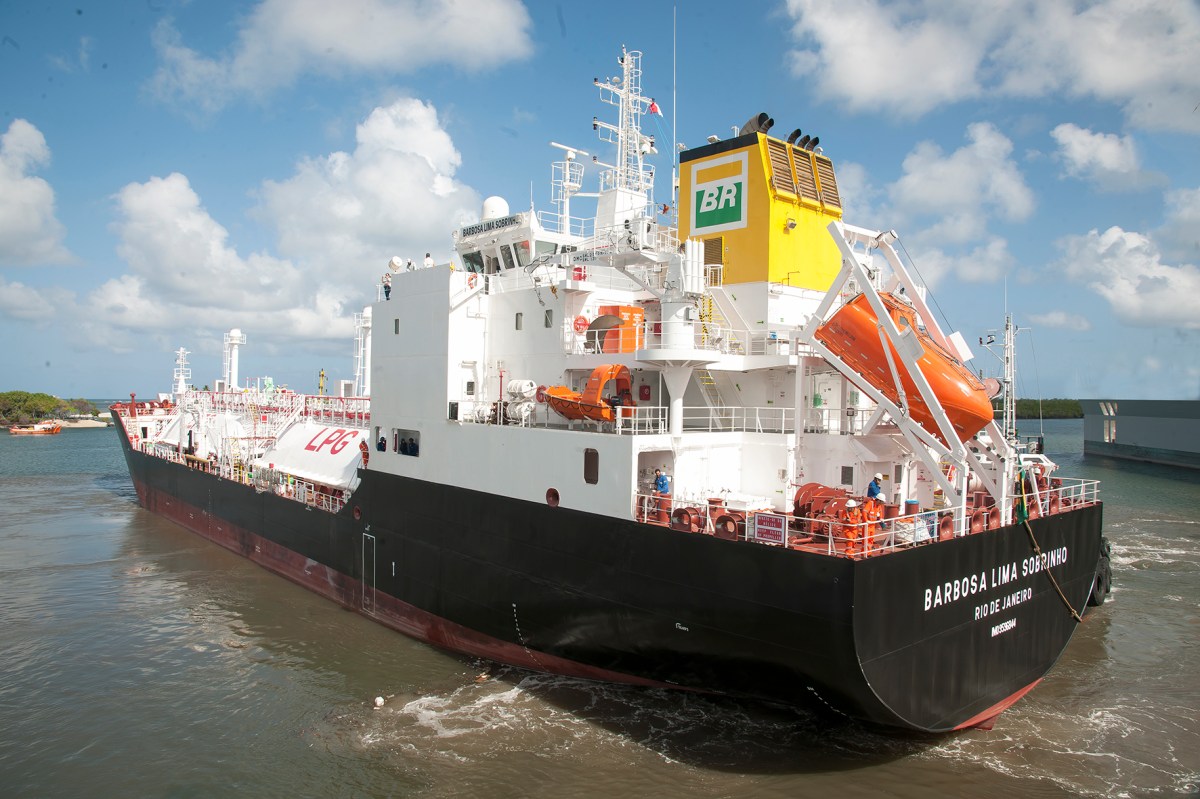
By Brazil Stock Guide – Petrobras (PETR3, PETR4; NYSE: PBR) and its logistics arm Transpetro will sign R$ 2.8 billion in shipbuilding contracts on Tuesday, January 20, in Rio Grande, southern Brazil, during a ceremony attended by President Luiz Inácio Lula da Silva. The agreements, part of the Mar Aberto program, are set to mark one of the largest state-led naval investment packages in over a decade and signal a renewed push to rebuild Brazil’s domestic shipbuilding industry.
The contracts will cover the construction of five liquefied petroleum gas carriers, 18 barges and 18 pushers, all to be operated by Transpetro. The vessels are expected to be built in shipyards located in Rio Grande do Sul, Amazonas and Santa Catarina, distributing industrial activity across multiple regions. Petrobras estimates the projects could generate more than 9,000 direct and indirect jobs, reinforcing the government’s industrial and employment agenda.
Beyond the political optics, the investments are designed to deliver a clear operational shift. By expanding its owned fleet, Transpetro aims to reduce dependence on chartered vessels, increasing flexibility and control over the logistics of liquefied gases and other petroleum products. Once delivered, the new gas carriers will lift Transpetro’s fleet from six to 14 vessels, effectively tripling its transport capacity for LPG and derivatives. The ships are projected to be up to 20% more energy-efficient, cut greenhouse-gas emissions by around 30%, and operate in electrified ports.
The barge and pusher contracts will also mark Transpetro’s formal entry into inland and sheltered-water navigation, allowing the company to vertically integrate bunkering operations in hubs such as Belém, Rio de Janeiro, Santos, Paranaguá and Rio Grande. Petrobras chief executive Magda Chambriard said the orders will prepare the company for rising gas production while accelerating the recovery of Brazil’s naval industry. Transpetro president Sérgio Bacci described the move as strategic for efficiency and energy sovereignty, arguing that fleet ownership should lower costs and help reactivate dormant shipbuilding clusters across the country.