By Rodrigo Uchoa, special for Brazil Stock Guide
Fashion has always loved a funeral. Not in the literal, paparazzi-at-the-church sense—though Rome obliged when Valentino Garavani was laid to rest on January 23, 2026—but in the industry’s recurring habit of announcing the end of an era the minute a titan leaves the room.
This time, the grief feels oddly specific. In the space of a few months, the old guard that engineered the late-20th-century transition from couture for the few to what we might call “luxury for the many” has been thinning fast. Valentino died on January 19, 2026, at 93. Giorgio Armani, the patron saint of “expensive restraint”, died on September 4, 2025. Behind them stretches a roll call of recent exits: Roberto Cavalli, Paco Rabanne, Vivienne Westwood, Issey Miyake, and Antony Price, each of them a distinct dialect in the same global language of desirability.
If they shared a gift, it was this: they made fantasy scalable.
Valentino: Dolce Vita made wearable — and then licensable
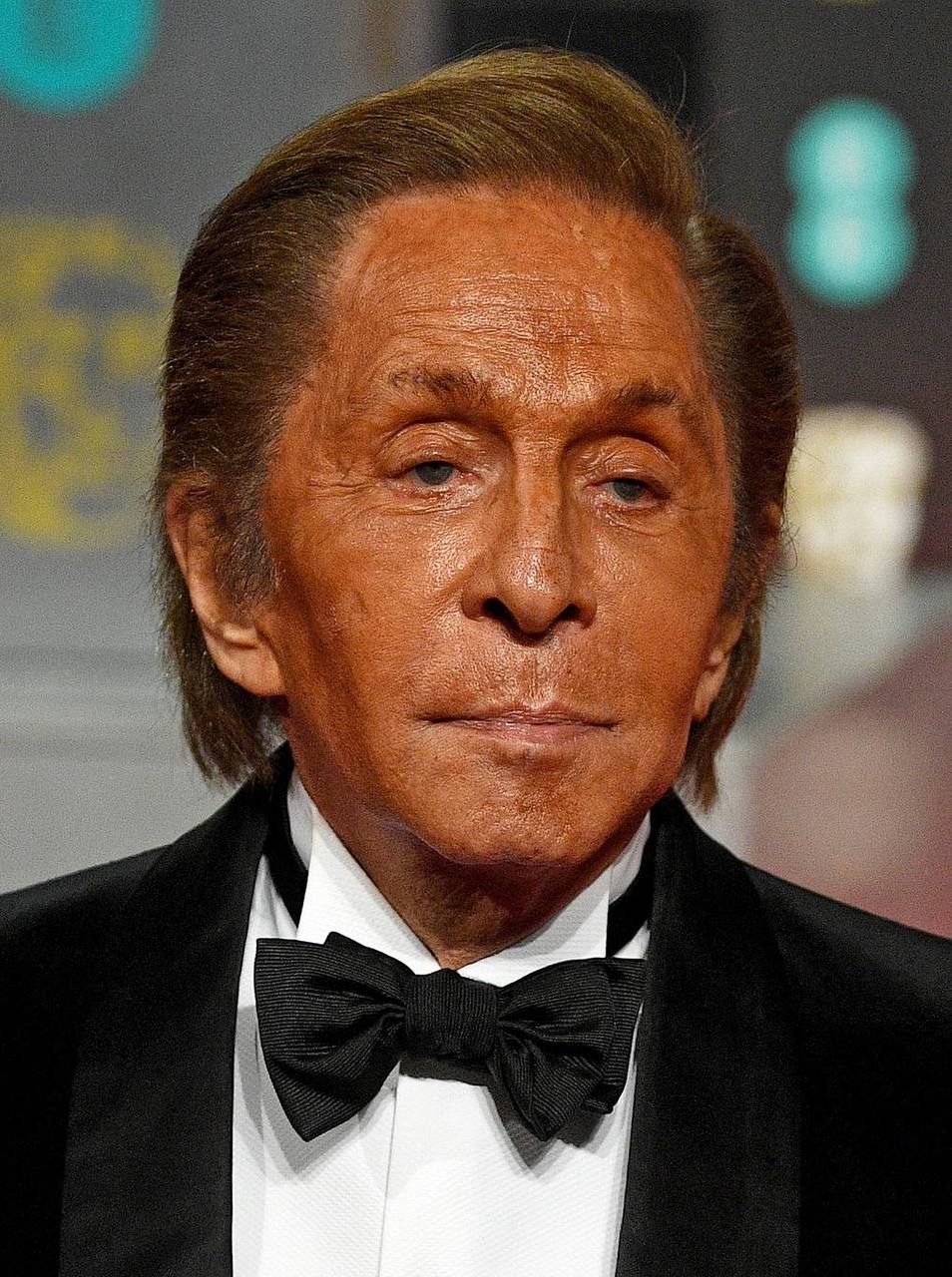
Valentino was the couturier as cinematographer. His women didn’t merely enter a room; they arrived, framed by light. He distilled the Rome of La Dolce Vita—film stars, socialites, a kind of aristocratic leisure—into gowns that treated the body not as a problem to solve but as a sculpture to celebrate. His “Valentino red” became a shorthand for public glamour: a colour as recognisable as a signature.
It would be easy, but lazy, to freeze him at that red-carpet pinnacle. The more revealing story is how his universe migrated from salon to shopping bag. Like the best empire builders, Valentino understood that aspiration travels better when it can be purchased in smaller doses.
Over time, the Valentino name became as much a system of licensing as a silhouette, stretching into fragrance, lingerie, and home categories that offered a ticket to the dream without requiring couture money or couture patience.
The financial punctuation mark came in 1998, when Valentino and his partner Giancarlo Giammetti sold the business to Italian conglomerate HdP for about $300 million. It was a price tag that, at the time, looked like a triumph of monetised taste.
Armani: the industrialisation of elegance
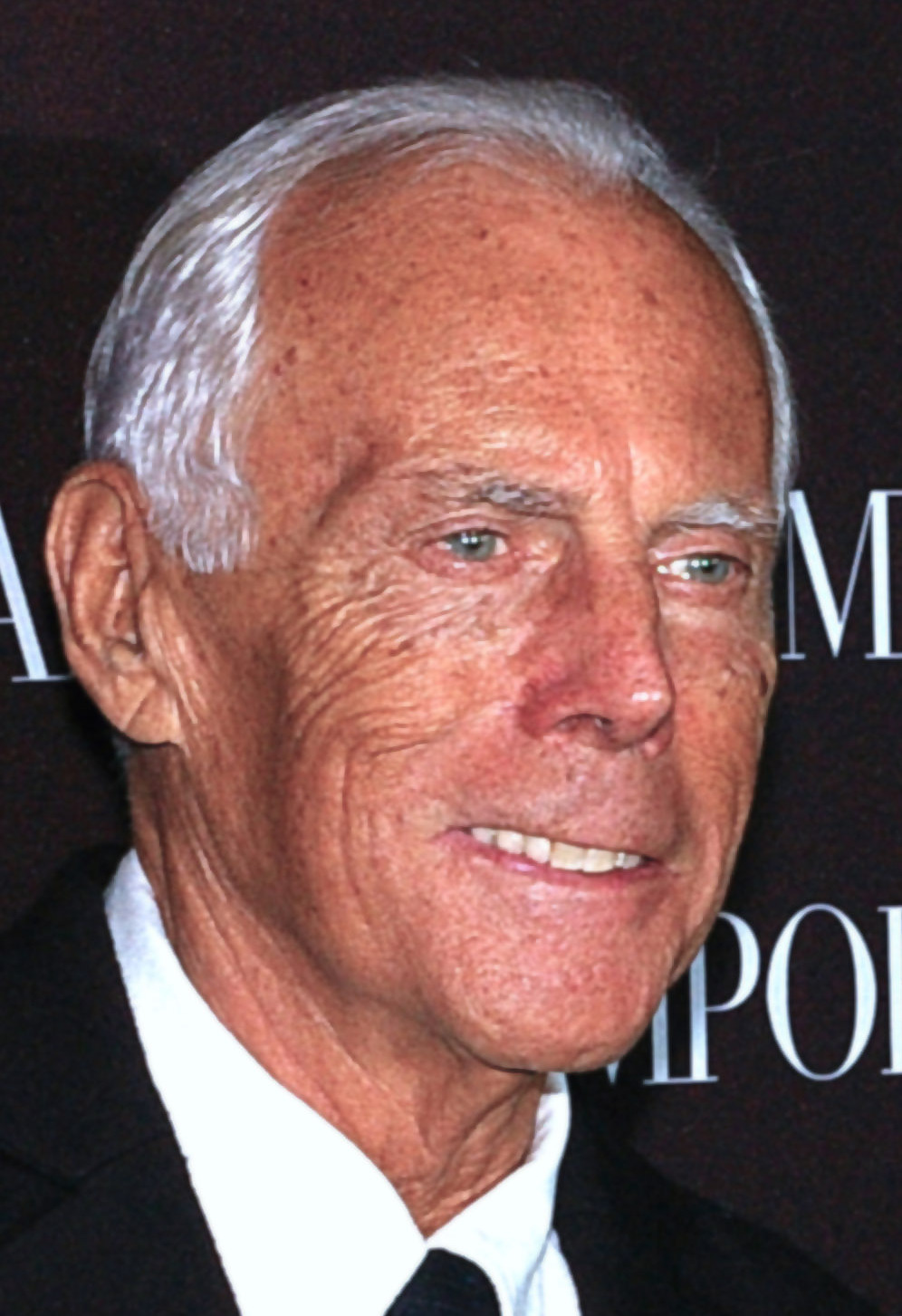
If Valentino filmed glamour, Armani engineered it. He made understatement feel not merely tasteful, but powerful: the clean shoulder, the softened structure, the neutral palette that implied the wearer had nothing to prove. His revolution was not just aesthetic; it was managerial. Armani was among the designers who treated fashion as a disciplined industrial project that could expand without losing the brand’s voice.
And expand it did. Armani became a multi-line ecosystem: from the high end (Privé) to the accessible end of aspiration, with a long tail of licensing that turned “Armani” into a global adjective. By the time of his death, the group’s financial footprint told the story of mass luxury in numbers: in fiscal year 2024, Armani Group net revenues were about €2.3 billion, even amid a sector slowdown.
More interesting still is where the money came from. Licensing did not dilute the house; it financed its independence. Reuters noted that Armani-branded beauty and fragrance products in L’Oréal’s portfolio were estimated around €1.5 billion a year, while eyewear, via EssilorLuxottica, added roughly €500 million. The brand, in other words, became a global annuity machine.
As for “what is it worth?”, the honest answer is: whatever an anxious billionaire will pay for permanence. Analysts cited by Business of Fashion suggested a sale valuation could land somewhere between €4 billion and €7 billion.
The others: excess, futurism, rebellion, and craft as culture
Roberto Cavalli was the happy outlaw of Italian taste, with exotic prints, maximalist swagger, and a faith that sensuality should be loud. He helped make “too much” feel like a coherent lifestyle, and he pioneered that sandblasted denim look that turned jeans into an attitude. Paco Rabanne was fashion’s metallurgist-poet, turning metal, plastic and chainmail into wearable provocation. His famous 1960s experiments, like the dresses built from discs and rings, were not just clothing but design manifestos, suggesting the future could be assembled like architecture.
Issey Miyake approached the body as a design problem worth solving with kindness. His pleats were not decoration but technology, with a kind of portable engineering, built for movement and real life, and quietly radical in their refusal to fetishise discomfort.
Vivienne Westwood weaponised style. If Valentino pursued identity through the elevation of the body with beauty as affirmation, Westwood used the body as protest: a moving billboard for dissent, irony and anti-establishment theatre. Punk, in her hands, was not merely ripped fabric; it was a philosophy of refusal.
Antony Price, meanwhile, traced a different route to influence: through music, image-making and the rock aristocracy. He dressed Bowie and Roxy Music not as clients but as characters, proving that fashion could be inseparable from performance and modern myth-making.
A closing note, written in human handwriting
Taken together, these designers helped build the world we now inhabit: a culture where a brand is an identity kit, where perfume is a gateway drug to a dream, where a jacket can signal tribe, status, politics—or all three at once. They also normalised the idea that fashion is not seasonal frivolity but a serious form of soft power, shaping how we see bodies, gender, wealth, and belonging.
In an age increasingly haunted by artificial intelligence, by the possibility that creativity can be generated, automated, optimised, these figures read like a collective sigh of human authorship. Not because they were always “original” in the naïve sense, but because their originality had fingerprints: obsession, temperament, error, risk, taste. They made worlds. Then they found ways to sell them, one accessible fragment at a time.
And that may be the most modern thing about them.
Want more? Look at: https://www.instagram.com/manualdohedonistacetico