By Rodrigo Uchoa*, special for Brazil Stock Guide
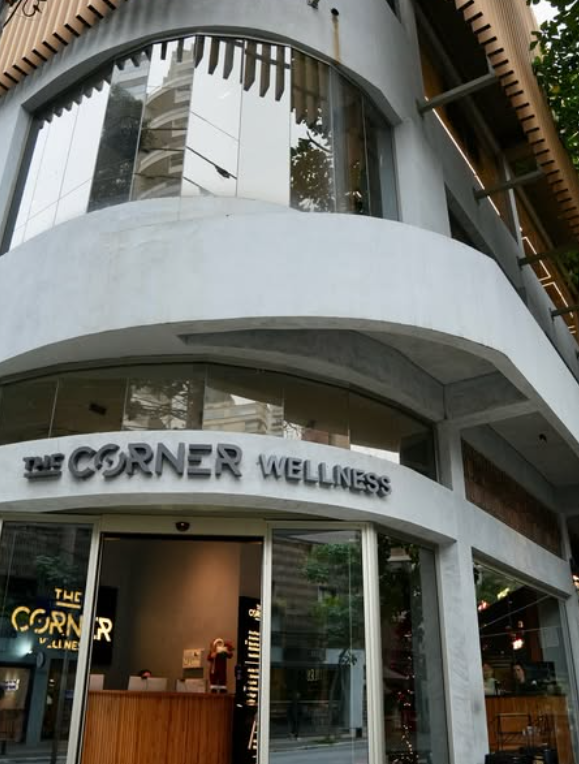
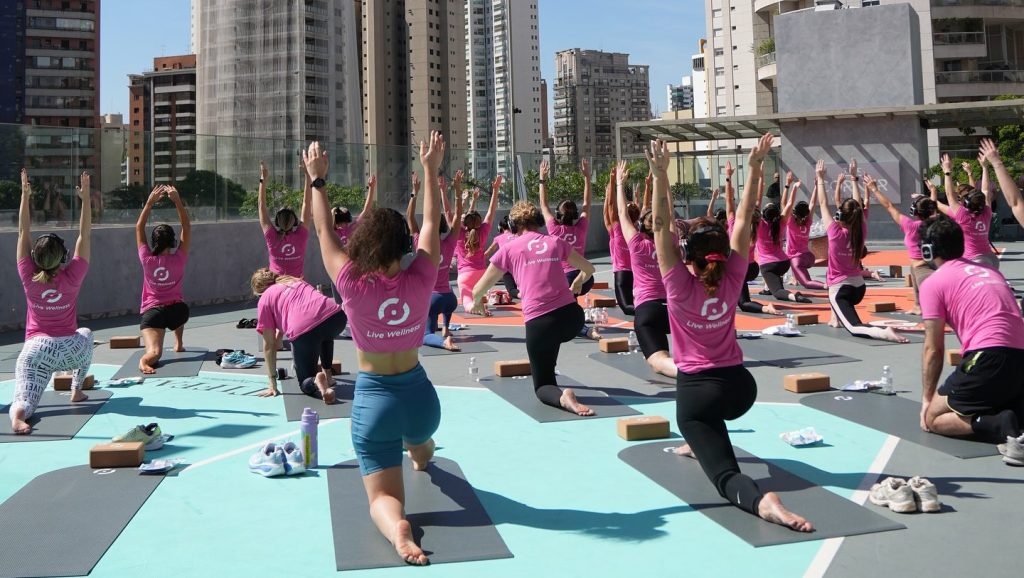
On a weekday morning in Vila Nova Conceição, São Paulo’s version of “I’m just popping out” looks suspiciously like a minor expedition. People arrive at The Corner with the calm efficiency of frequent flyers: a tote bag that could house a small pharmacy, a water bottle with a moral stance, and the faint glow of someone who has already done something admirable before 9 a.m. Officially, they are here for the familiar menu: gym floors, personal training, group classes, perhaps a rooftop interlude of pickleball.
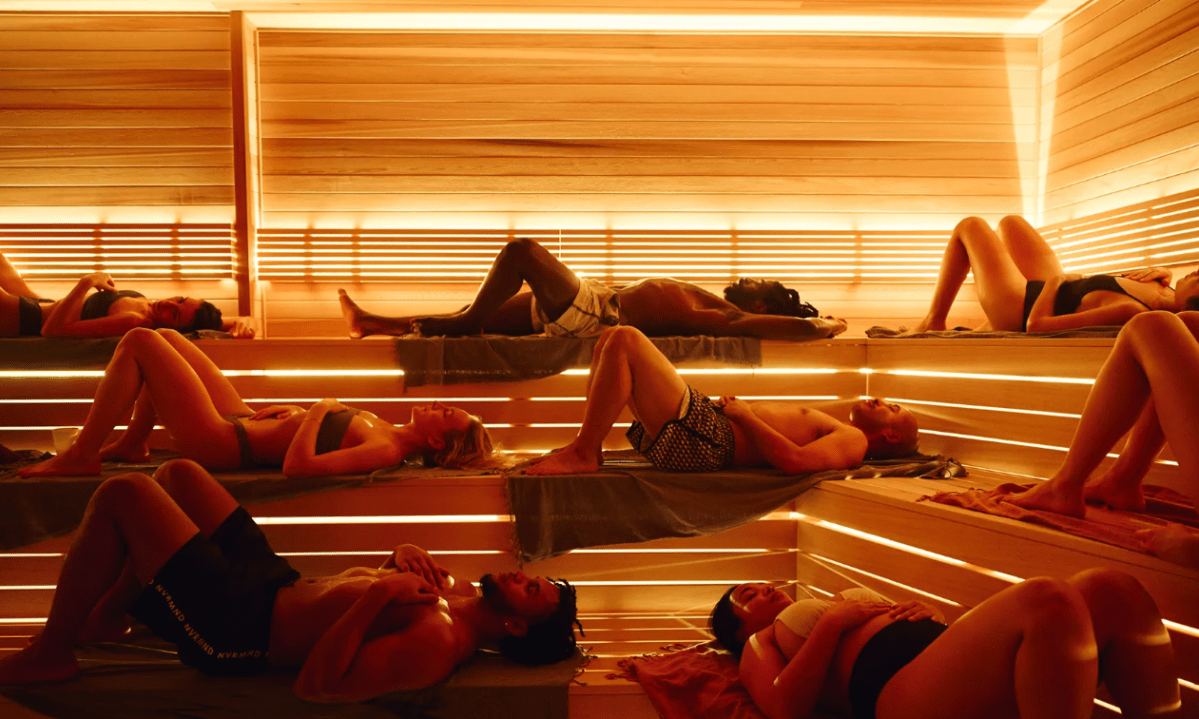
Unofficially, they are stepping into a faster-growing category of premium urban life: the social wellness club, a place where exercise is available, but ritual, belonging and “social dopamine” are the real headline acts. The concept is straightforward: replace the bar’s low lighting and liquid courage with eucalyptus steam, cold water, breathwork and a lounge where strangers become “community” at roughly the same rate they become dehydrated.
This is not a São Paulo eccentricity. A similar logic is spreading through rich neighbourhoods in the world’s major capitals, each city adding its own accent. In New York, Othership sells guided sauna-and-ice “journeys” complete with a “commons” designed for being with others (without staring at your phone). In Los Angeles and New York, Remedy Place calls itself “self-care made social” and wraps contrast therapy and treatments in the etiquette of hospitality.
London’s arc pitches communal contrast therapy in Canary Wharf, where the morning routine competes with the morning email. And if you want the old world, candlelit version, modern bathhouses such as AIRE Ancient Baths have turned the ancient “baths as civilisation” idea into a contemporary urban luxury product.
In São Paulo itself, you can see the ecosystem forming. Alongside hybrid “club” gyms like The Corner, there are places explicitly framing thermal discomfort as social glue. Kontrast, for instance, sells sauna + ice + breath as “social wellness” and even has member-only rooftop positioning, which is a very São Paulo way of making recovery feel like a scene.
The formats vary, but the family resemblance is obvious:
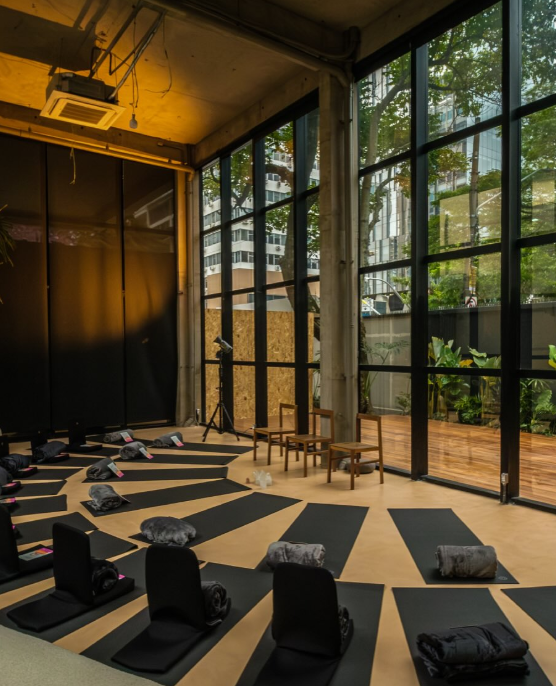
- Premium studios (Pilates, yoga, breathwork) that feel less like classes and more like belonging.
- Modern bathhouses, where soaking becomes nightlife, only quieter and better lit.
- Contrast-therapy clubs, where the hot–cold cycle is packaged as a shared rite, with staff as officiants and playlists as liturgy.
If all this sounds like “the gym, but with vibes”, that is not far off, and it brings us to the bigger context: the world is, measurably, drinking less. The World Health Organization reports that global per-capita alcohol consumption fell from 5.7 litres of pure alcohol in 2010 to 5.0 litres in 2022. Meanwhile, beverage-alcohol researchers describe a market where total volumes are soft: IWSR notes total beverage alcohol volumes declined in 2024, while no-alcohol growth continues to outpace the rest of the category.
This is bigger than Gen Z (though Gen Z is the poster child). It is increasingly a cross-demographic shift: less “I’ll have another”, more “I’ll have a tomorrow”. And it’s giving cultural permission for people to seek a third place that isn’t lubricated by ethanol. The explosion of NoLo (no/low alcohol) products is part response, part accelerant, and a sign that sobriety no longer has to look like a vow, but can look like a menu.
Then come the weight loss jabs (GLP-1s) quietly rearranging consumer behaviour. Surveys and industry analyses now routinely report that GLP-1 users buy less and consume differently. PwC, for example, notes GLP-1 users reporting an 11% cut in food purchases, especially in indulgent categories, including snacks and alcohol. EY-Parthenon’s consumer survey adds that 44% of GLP-1 users say they drink less after starting treatment.
Once appetite becomes more selective, the social calendar often follows. A smaller dinner, fewer cocktails, less tolerance for hangovers that steal the next day—this naturally nudges people toward socialising that feels “net positive”. It also creates micro-tribes: people who share not only a preference but a physiology. In a culture that already likes communities, wellness clubs are offering communities with a heart-rate monitor.
That brings us to the zeitgeist layer: a hunger for new collective rituals, not grand religious ones, but small, repeatable ceremonies that make urban life feel less atomised. The broader events industry has been seeing this desire for in-person gathering register in numbers: Eventbrite reports that more than half of attendees wanted to go to more events in 2024 compared to 2023, and industry benchmarking suggests many organisers are planning more small in-person formats. (If you can’t find meaning, at least you can find a ticket.)
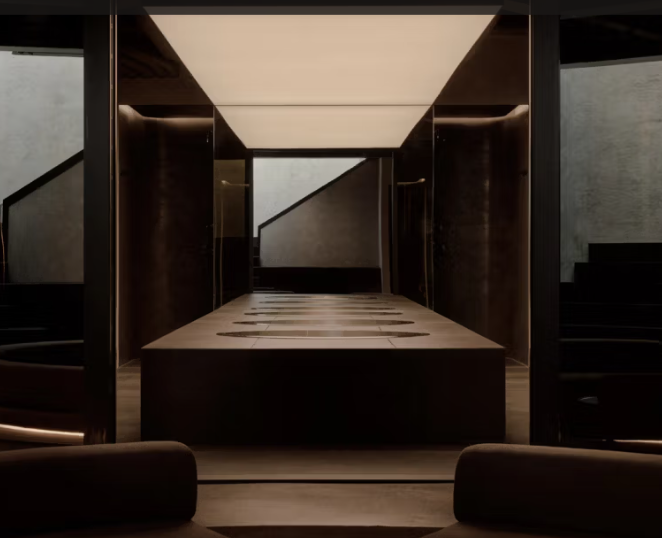
Wellness clubs have understood something subtle: the “product” is not the ice bath. It is the script. There are social nights, member meet-ups, talks with nutritionists and therapists, themed rituals with names that sound like indie albums (“Reset”, “Release”, “Rise”). A sound bath becomes the new live set; the tea lounge becomes the new bar. Even the discomfort has social utility: it produces a shared story—“I did the plunge”—and a mild sense of having earned your serenity.
So, yes, there is irony here. We are outsourcing community to membership programmes and outsourcing friendship to scheduling apps — only now the entry fee comes with towels. But it is also, in its own way, humane: a re-engineering of social life for a world that drinks less, scrolls more, and increasingly wants to feel better tomorrow than it felt last night.
For now, it is largely a top-down phenomenon — premium, urban, and easier to access when your time is flexible and your monthly budget has room for “recovery”. Yet these things have a habit of trickling down in surprising forms. Today it is a rooftop contrast club; tomorrow it may be a neighbourhood bathhouse next to the bakery, or a community centre offering breathwork the way it once offered bingo.
Either way, the next decades will be revealing. If the 2010s were about finding the best bar, the 2020s and 2030s may be about finding the best place to sweat, plunge, and talk to strangers — then go home early, smugly hydrated, and wake up with your weekend intact.
*The Skeptical Hedonist’s Handbook