
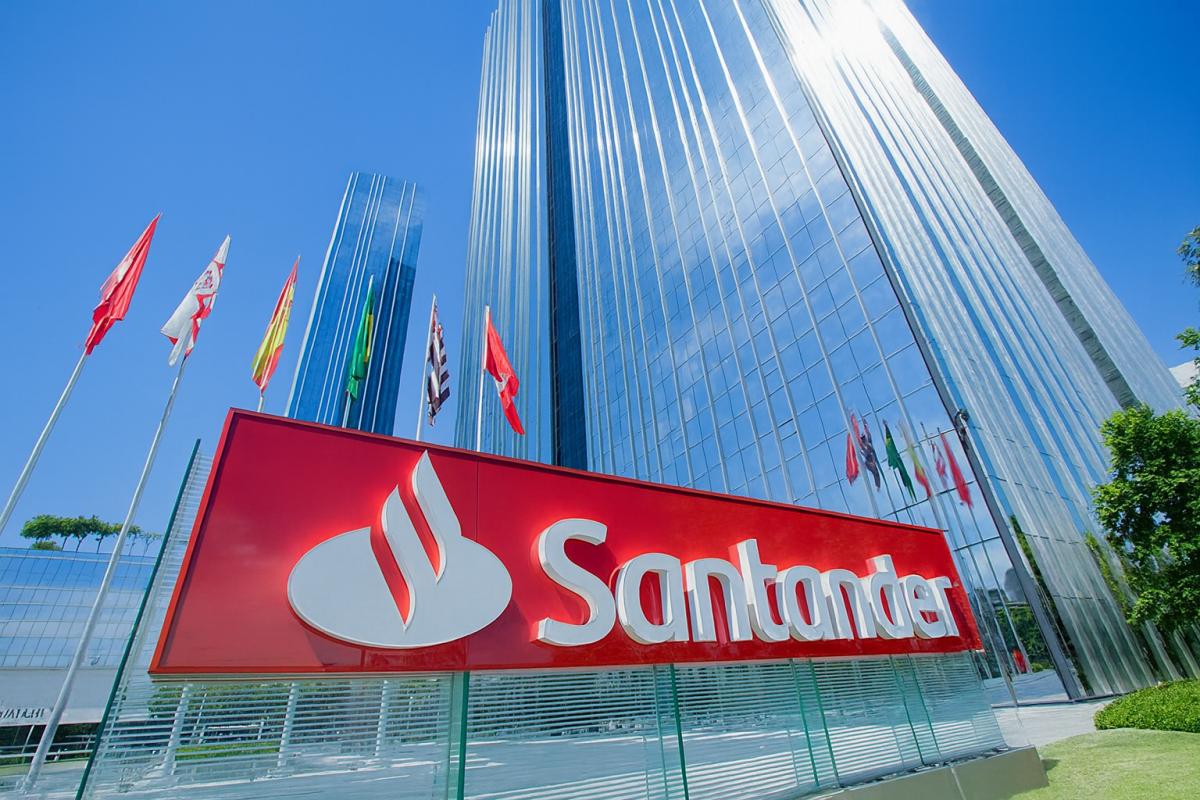
By Brazil Stock Guide – Gilson Finkelsztain will step down as CEO of B3 (B3SA3) after nine years at the helm to take over as chief executive of Banco Santander (Brasil) (SANB11), in a coordinated transition that reshapes leadership across two of Brazil’s most important financial institutions. The executive will remain at B3 until the end of the first half of 2026, while Santander expects to conclude its succession process by midyear, subject to regulatory approvals.
The move caps a cycle in which B3 more than doubled its revenue and distributed R$40.1 billion to shareholders, while repositioning itself from a traditional exchange into a diversified financial infrastructure platform. Under Finkelsztain, the company expanded retail investor access to tens of millions of Brazilians, deepened its product suite across ETFs, BDRs, FIIs and derivatives, and built recurring revenue streams in data, analytics and technology services.
At Santander Brasil, Finkelsztain will replace Mario Leão, who announced his departure after more than a decade at the bank, including five years as CEO. The transition is being framed as part of a structured succession plan, with Leão remaining in charge until the handover is complete. The appointment signals Santander’s intention to reinforce its positioning in capital markets, digital infrastructure and high-value financial services, leveraging Finkelsztain’s experience across institutions such as Citibank, J.P. Morgan and the bank itself.
The leadership shift also highlights the growing convergence between banking and market infrastructure in Brazil, as data, distribution and client access become central competitive levers. Finkelsztain’s tenure at B3 was marked not only by financial performance but by a cultural and strategic transformation, including ESG leadership and a stronger governance framework, which helped solidify the exchange’s role in Brazil’s capital markets development.
For B3, the focus now turns to succession. The board said a replacement will be announced once the ongoing process is completed, emphasizing continuity in strategy, operations and client service. The transition comes at a time when the exchange faces both structural tailwinds — including financial deepening — and new pressures from competition, technology and regulatory evolution.
The dual announcement underscores a broader theme: leadership mobility is accelerating at the top of Brazil’s financial system, as institutions recalibrate for a more integrated, data-driven and competitive landscape.





