By Brazil Stock Guide – A provisional trade agreement between Mercosur and the European Union is set to take effect on Friday, May 1, creating a combined market of about 720 million people and immediately reshaping trade flows between the two blocs.
From the outset, 5,090 products exported from Brazil to the EU’s 27 member states will face zero tariffs, representing 54.3% of the total covered by the agreement. The move is expected to deliver early gains for exporters across multiple sectors.
More than 80% of the goods benefiting from immediate tariff elimination belong to the manufacturing industry, where duties have traditionally been lower. Still, the agreement spans a wide range of categories, including 468 food products, 802 beverage items, 174 leather and footwear goods, and 396 IT and electronics products.
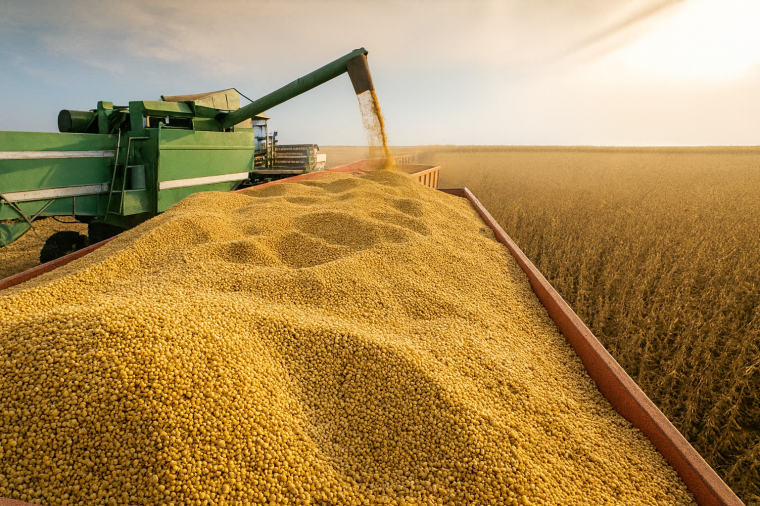
In agriculture, 39% of tariff lines will be liberalized in the first year, particularly in segments where Brazil already holds a competitive position. A total of 361 agricultural products will see reduced tariffs at the start of implementation.
Sensitive goods such as beef, poultry, sugar and ethanol will remain subject to quotas. The agreement includes safeguard mechanisms allowing the EU to curb imports if volumes rise sharply, protecting key domestic sectors.
While Mercosur exporters benefit from immediate tariff cuts, market access for European goods will expand more gradually. Initially, 1,075 EU products — about 10.7% of the total — will enter Mercosur countries duty-free.
The bulk of tariff reductions for European exports is scheduled over a 10-year period, eventually covering 4,423 products, or 44.1% of the agreement. Even in the early phase, 223 agricultural goods and 797 industrial products from Europe will gain improved access.
Given Mercosur’s historically higher tariff structure, the early reductions are expected to provide meaningful relief for European exporters within the first weeks of implementation.
Long-term projections indicate that EU exports to Mercosur could rise by 39%, while shipments from the South American bloc to Europe may increase by 16.9%. Key beneficiaries on the European side include automotive, machinery and chemicals industries, alongside agri-food exports supported by geographical indication protections.