By Brazil Stock Guide – Gafisa (GFSA3) reported a gross loss of R$152.8 million in 4Q25, reversing a gross profit of R$32.3 million a year earlier, as a sharp contraction in revenue and sales underscored a difficult end to what the company frames as a transition year. Net revenue fell 57.6% year-on-year to R$109.7 million, while gross sales dropped 86.1% to R$39.2 million, reflecting weaker demand and a more selective commercial strategy.
The results highlight the cost of Gafisa’s ongoing repositioning toward high-end residential developments. Throughout 2025, the company raised R$197 million via capital increases and debt issuance, strengthened its cash position and continued reshaping its portfolio, including project deliveries totaling R$605 million in gross development value (GDV). Still, the operational slowdown in the fourth quarter suggests the transition remains uneven.
Margin Collapse
Recurring adjusted gross profit came in at just R$2.4 million, down sharply from R$80.8 million in 4Q24. Adjusted EBITDA swung to negative R$238.4 million, compared with a positive R$142.5 million a year earlier, resulting in a deeply negative EBITDA margin of -217.3%. The company attributed part of the distortion to non-recurring effects linked to the sale of non-core assets and land, which pressured accounting results but helped generate cash and reduce holding costs.
Cost discipline offered a partial offset. Selling, general and administrative expenses fell 38% year-on-year in the quarter, while the company reported a 30% backlog margin, supporting its argument that profitability should improve as projects progress and are delivered. For now, however, forward-looking indicators remain overshadowed by weak current earnings.
Luxury Focus
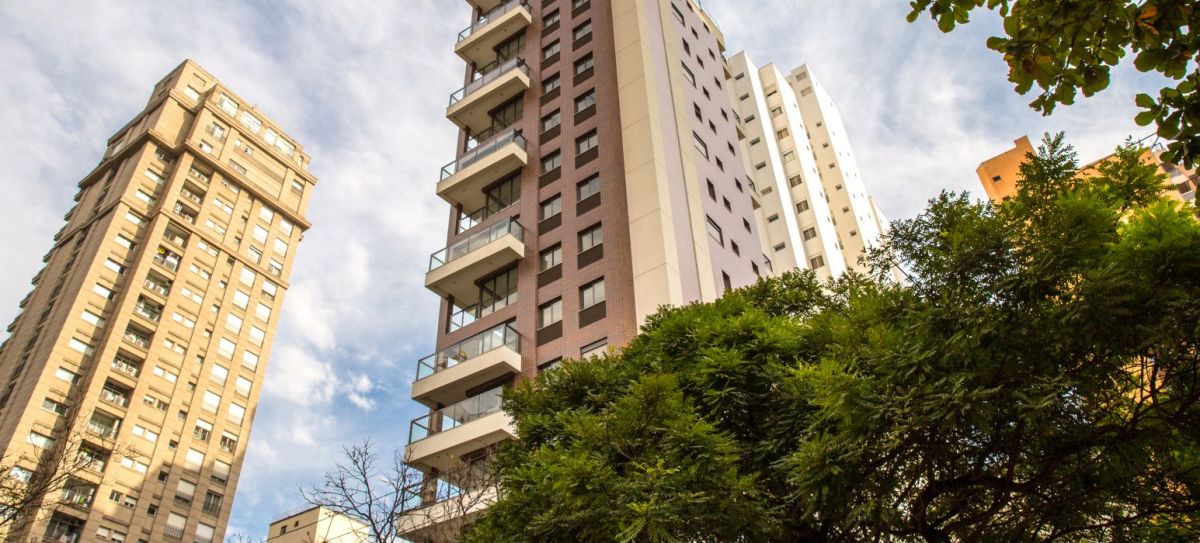
Gafisa continues to pivot toward the high-end and luxury residential segment, particularly in São Paulo and Rio de Janeiro. In 2025, 74% of gross sales came from high-end products, while 73% of inventory is now concentrated in that segment, reinforcing a strategic exit from mid-market developments.
The company also highlighted flagship projects such as Allard Oscar Freire, developed in partnership with Alexandre Allard, as emblematic of its repositioning. The broader portfolio under construction totals R$2.7 billion in GDV, including projects like Cidade Jockey, Vinci Moema and Invert Campo Belo, alongside recently delivered developments such as Flow by Gafisa and Tonino Lamborghini Residences.
Still, high interest rates continue to weigh on demand. Gafisa acknowledged weaker-than-expected performance in the R$1.5 million to R$5 million segment, where trailing 12-month sales velocity reached 19.8%. In contrast, units priced above R$5 million posted a 28.6% velocity, which management described as consistent with its margin-focused strategy — effectively prioritizing pricing over volume.
Leverage Pressures
Operationally, the company made progress in reducing inventory, which declined 34.2% year-on-year to R$1.16 billion, supported by asset sales and portfolio rationalization, including ongoing transactions such as the Sense Icaraí project.
However, balance sheet pressures intensified. Net debt rose to R$1.25 billion, up 11.3% year-on-year, while the net debt-to-equity ratio climbed to 81.5%, from 57.7% a year earlier. The increase reflects both new debt issuance — including R$50 million in debentures during the quarter — and the erosion of equity driven by non-recurring losses.
Management maintains that 2025 was a restructuring year and that 2026 should begin to reflect the benefits of a streamlined portfolio, improved cost base and stronger exposure to premium developments. Investors, however, are likely to demand clearer evidence that the strategy can translate into consistent earnings and cash generation.