
By Brazil Stock Guide – Mercado Livre Inc. (NASDAQ: MELI) is facing a sharper Wall Street test: whether one of Latin America’s best growth stories can keep expanding without giving up too much margin. Citi cut the stock to neutral from buy and lowered its price target to $1,950 from $2,200, while UBS kept a neutral rating but reduced its target to $1,750 from $2,050.
The concern is not growth. Mercado Livre’s first-quarter revenue jumped 49% to $8.8 billion, its fastest pace since 2022, while gross merchandise volume rose 42% to $19 billion. Items sold increased 47%, helped by stronger traction in Brazil after the company lowered its free-shipping threshold.
Margin Test
The problem is the cost of that acceleration. Operating income fell to $611 million, with a 6.9% margin, while net income declined to $417 million, with a 4.7% margin. That left investors with a more uncomfortable question: is Mercado Livre investing ahead of another profitable growth cycle, or resetting its margin base lower?
Citi’s João Pedro Soares said growth remains exceptional and management’s capital allocation should strengthen the company’s moat over time. But monetization and margin recovery have become harder to forecast as Meli pushes deeper into free shipping, fintech, credit, first-party retail and newer verticals.
The Price of Scale
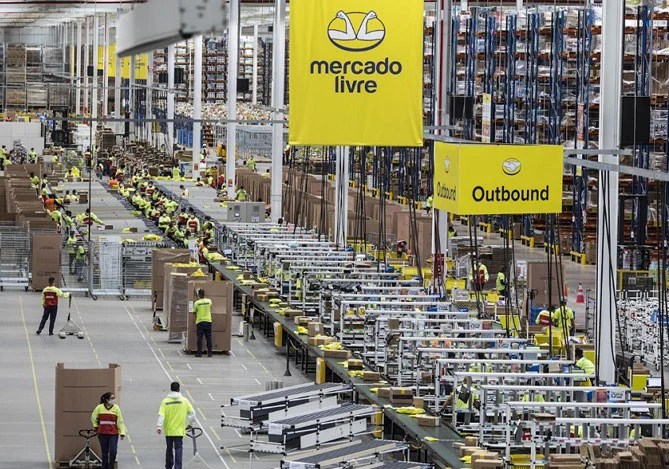
That is the new debate around MercadoLibre. Free shipping can lift conversion, increase frequency and defend market share against rivals. Credit can deepen customer relationships. Logistics can widen the moat. But each of those levers consumes capital before it proves its full return.
UBS’s target cut reinforces the same caution. The bank did not abandon the stock, but its lower target suggests less room to pay a premium while operating leverage remains uncertain. MarketScreener data showed Mercado Livre shares at $1,546.64 around midday on May 13, down almost 16% over five days and more than 23% year-to-date.
Mercado Livre is still not a broken story. It remains the region’s dominant e-commerce and fintech platform, with scale few competitors can match. But Citi and UBS have put a tighter frame around the investment case. The question is no longer whether MercadoLibre can grow. It is how much profit investors must sacrifice before that growth becomes more valuable again.