By Brazil Stock Guide – BHP is reshuffling its leadership in Brazil as the company moves into a new phase in the reparation process linked to the 2015 collapse of the Fundão tailings dam, one of the most sensitive issues in the miner’s history in the country.
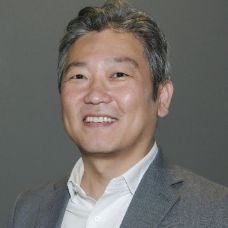
Emir Calluf will step down as president of BHP Brasil in July 2026 to take on the global role of Chief Ethics, Compliance and Human Rights Officer, based at the company’s headquarters in Melbourne, Australia, according to the company. Paulo Chung has been appointed Vice President, Legal and Reparation Brazil, becoming BHP’s main focal point in the country.
The move puts the implementation of the Rio Doce reparation agreement at the center of BHP’s local agenda. The agreement, approved in November 2024, is valued at R$170 billion over 20 years and set new terms for the reparation obligations related to the Fundão dam collapse. Samarco, which operated the dam, is a non-operated joint venture between BHP Brasil and Vale.
Calluf played a central role in the negotiation and implementation of the new agreement, which sought to reset the reparation framework after years of legal disputes, fragmented programs and criticism from affected communities.
“The signing of the new agreement was a milestone. A 20-year, R$170 billion plan, built through dialogue, shows how lasting solutions can be pursued for complex challenges,” Calluf said in the statement.
Chung will now lead BHP’s legal and reparation agenda in Brazil. His appointment comes as the company enters the execution stage of an agreement that will remain under close scrutiny from governments, regulators, prosecutors, affected communities and international investors.
For Chung, the new role reinforces BHP Brasil’s commitment, as one of Samarco’s shareholders, to the full implementation of the Rio Doce agreement.
“The execution of the agreement requires robust and strategic management, one that is present, attentive and connected to the Brazilian reality. That is essential to ensure comprehensive and definitive reparation — an agreement made by Brazilians for Brazilians,” Chung said.