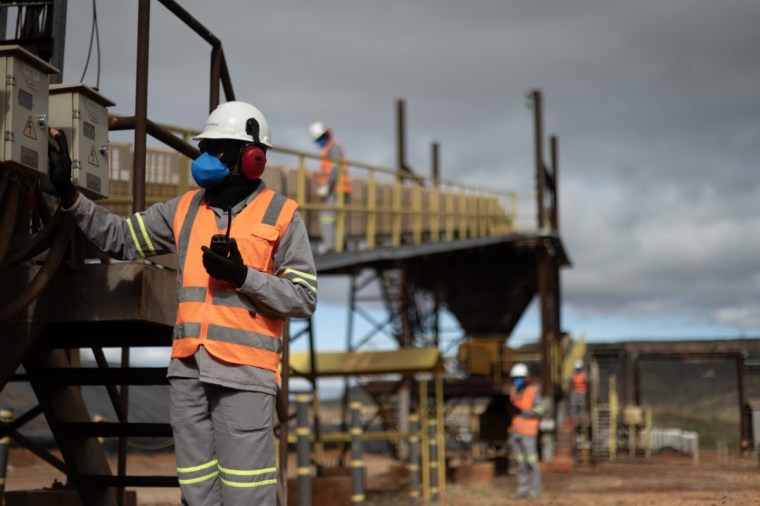

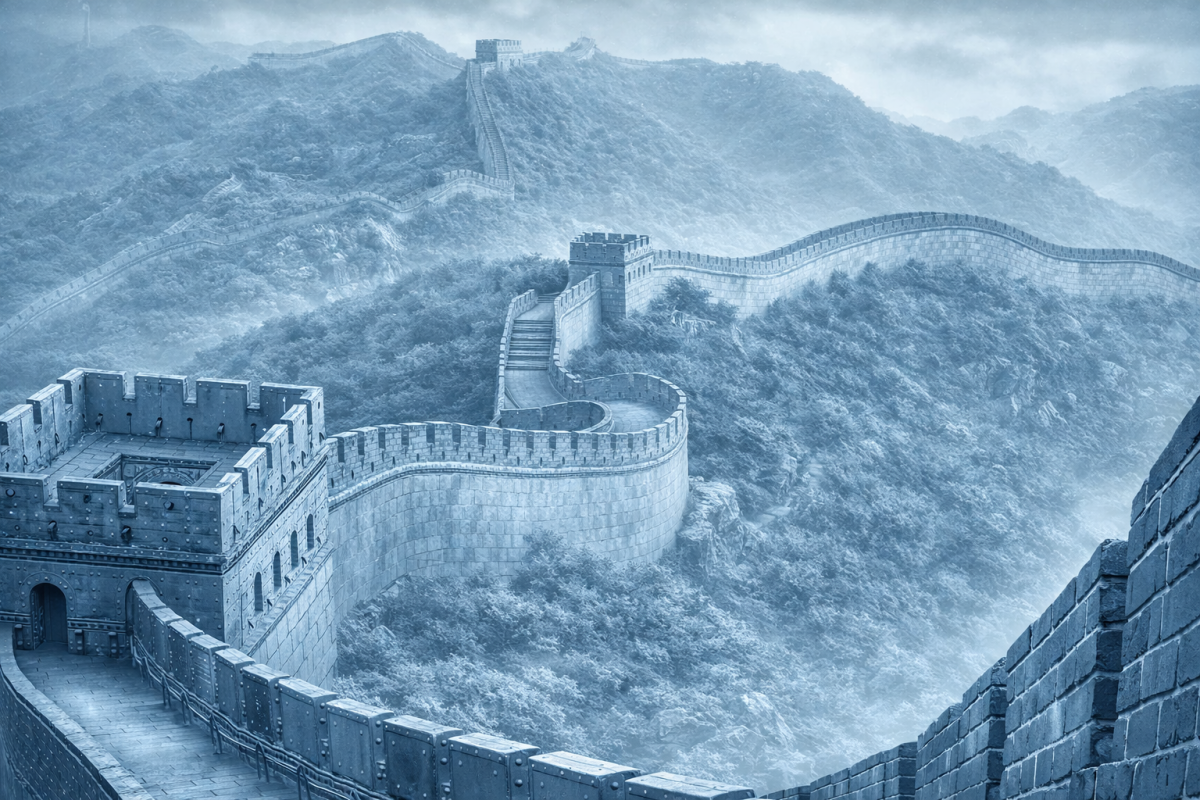
Brazil has built its own “Chinese wall.” By imposing antidumping duties of up to $709 per tonne on coated and cold-rolled Chinese flat steel, Brasília is drawing a barrier — not of bricks, but of tariffs. For domestic producers such as CSN and Usiminas, the move is a long-anticipated line of defense. After months of provisional signals, protection is now codified. Cheaper imports will no longer cross so easily into segments already strained by global overcapacity.
The wall, however, is selective. It does not block all steel. Rebar, structural beams and slabs remain outside the perimeter. Instead, the measures target flat products central to appliances, construction and industrial supply chains — precisely where pricing pressure had intensified. In that sense, this is less a fortress and more a controlled checkpoint.
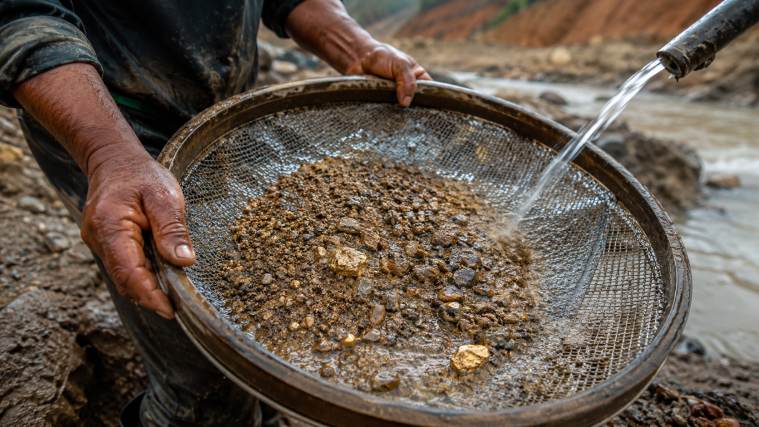
Yet the metaphor becomes awkward when extended too far. The original “Chinese Wall” in finance separates conflicting interests. Brazil’s version separates domestic mills from foreign competition — while remaining economically intertwined with it. The country is one of China’s largest iron ore suppliers, led by Vale, whose shipments fuel the very blast furnaces producing the steel now facing tariffs. Brazil builds a wall against the finished product while exporting the raw material that makes it possible.
That is the paradox. A tariff can discourage imports; it cannot untangle supply chains. China remains the principal destination for Brazilian iron ore exports, anchoring trade balances and fiscal revenues. The relationship is less adversarial than structural. Iron ore flows east. Steel attempts to flow west. The wall stands in between.
Antidumping duties can raise barriers. They cannot sever dependencies. Brazil’s “Chinese wall” may protect margins in the short term. But as long as iron ore keeps crossing oceans toward Asian furnaces, the wall will function less as separation and more as negotiation.