Washington’s abrupt tariff reset has landed in Brasília at a politically convenient moment. After the US Supreme Court struck down levies imposed under the International Emergency Economic Powers Act, the White House replaced them with a flat 15 per cent global tariff under Section 122. The measure is protectionist. But for Brazil, it is comparatively generous.
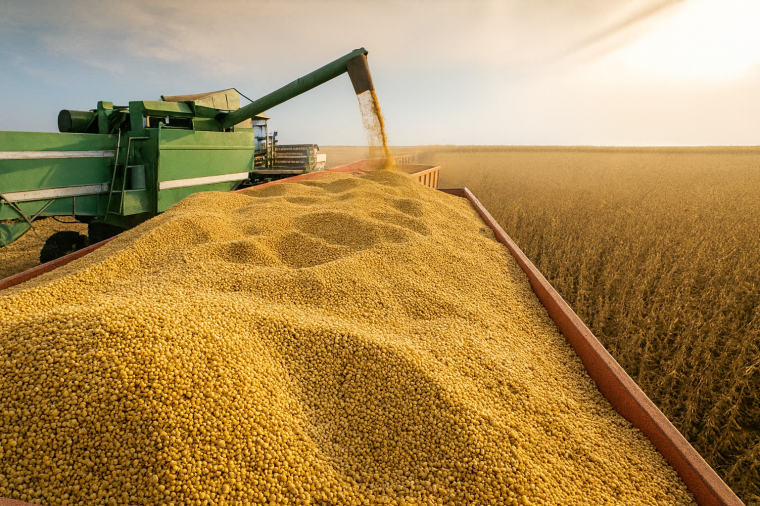
Before the ruling, some Brazilian exports faced duties of up to 50 per cent. The new uniform rate compresses those asymmetries. According to analysis by the Global Trade Alert, Brazil enjoys the largest reduction in effective tariff exposure among the top 20 US suppliers — a drop of 13.6 percentage points, reports FT. Several key products now face zero additional duty, including fuels, beef, coffee, pulp, orange juice and aircraft.
That matters politically. Acting president and development minister Geraldo Alckmin framed the change as a competitiveness boost, noting that the average tariff on US goods entering Brazil is just 2.7 per cent. The US is Brazil’s third-largest trading partner and its biggest buyer of higher-value manufactured goods. In an electoral cycle approaching the 2026 presidential contest, any measurable gain in industrial exports translates into a narrative of diplomacy delivering jobs.
Yet the reprieve is fragile. Section 122 is valid for only 150 days. Meanwhile, the US continues a Section 301 investigation into Brazilian trade practices — including scrutiny of the Pix instant payments system. Further country-specific measures remain possible. For now, though, timing favours Brasília. Elections are rarely won on trade statistics. They are won on employment and income. If Brazil can convert tariff compression into factory orders before Washington retools its regime, a temporary legal decision in the US may yield a lasting political dividend at home.