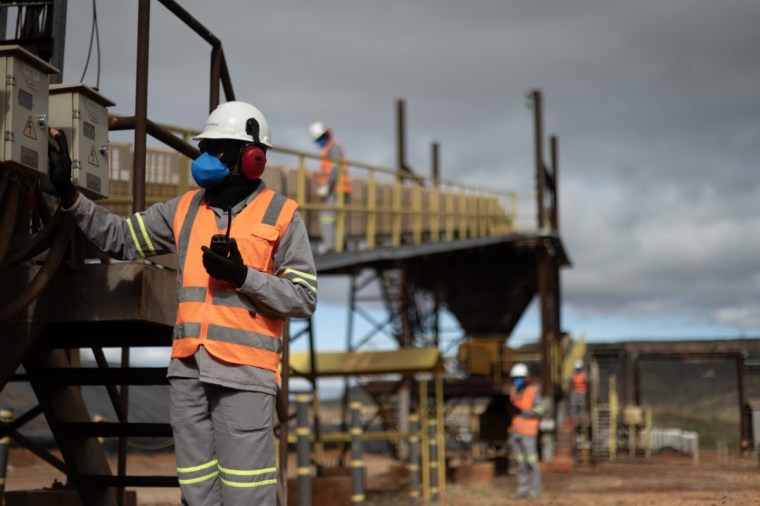

At its Gerdau Day investor meeting this Wednesday, century-old Gerdau announced it will produce more iron ore than it consumes for the first time. Starting in 2027, the Miguel Burnier mine in Minas Gerais will add 2.5 million tonnes to the market. CSN (Companhia Siderúrgica Nacional) already shows the math: in 2Q25, mining generated R$1.23 billion, more than double steel’s R$581 million. At Usiminas, where mining is only one-fifth the size of the steel business, ore margins are also twice as high.
Brazil’s steelmakers were built to turn ore into higher-value steel. Now they are moving upstream, where margins still hold. Imports already account for nearly a third of the domestic market. Donald Trump doubled U.S. steel tariffs to 50%. Brussels said today it is preparing to halve quotas and impose a matching surcharge. The West protects its mills; Brazil protects its mines.
Selling ore is easier than producing competitive steel in Brazil. But it deepens the country’s deindustrialization: more ships to China, fewer jobs in blast furnaces. Gerdau can still lean on the vast U.S. market where it produces, protected by tariffs — provided the American economy avoids a deep downturn. At home, the industry survives by lobbying for tougher trade defenses, from antidumping duties to safeguard measures.
Steel has become a cash preserver; ore, a cash generator. Digging is safer than forging — but for Brazil’s industrial future, that is an iron irony.