

China closed 2025 with an estimated $1.2 trillion external surplus — despite the tariff onslaught imposed by Donald Trump. The figure captures the moment: under trade pressure, weak domestic consumption and a prolonged property downturn, the Chinese economy continues to expand by redirecting exports and conquering new foreign markets. China, the world’s machine, is still running.
That is the backdrop to Goldman Sachs Research’s forecast of 4.8% GDP growth in 2026, above the 4.5% consensus. The growth engine is not household demand or a real estate rebound, but industrial scale — selling more, cheaper and to a wider set of countries, particularly emerging markets.
The real out-of-consensus call is not growth itself, but its composition. Goldman expects China’s current account surplus to rise to 4.2% of GDP in 2026, from 3.6% in 2025, while the market looks for a decline. Put simply, China is growing by selling to the world, not by spending at home.
This export-led resilience masks persistent weaknesses. The labour market remains soft, wage growth has slowed and household confidence is still held back by falling home prices. The property sector has yet to find a clear bottom; any relief comes from a smaller marginal drag rather than a genuine recovery.
The paradox is strategic. Tariffs have failed to derail China’s export momentum in the short term — they have merely shifted the adjustment. Bigger surpluses support growth today, but they also intensify trade frictions and narrow the path toward a consumption- and services-led economy.
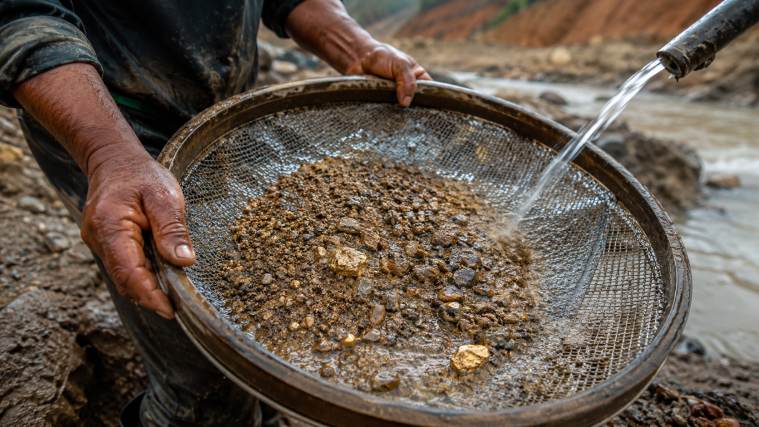
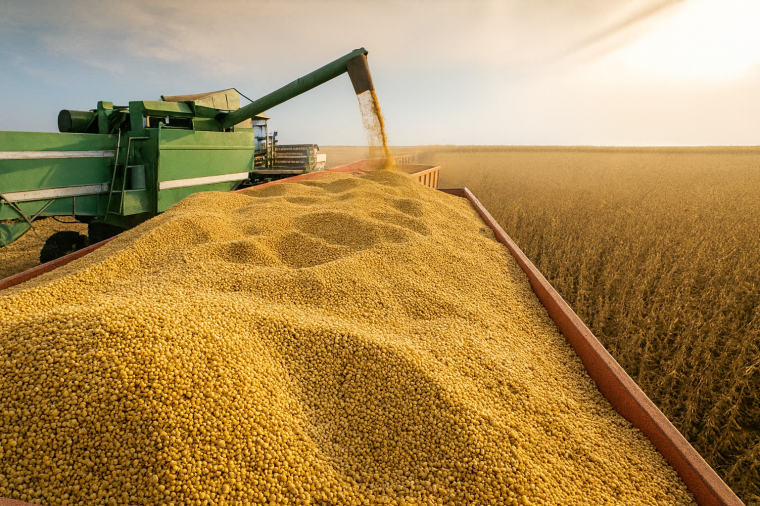
For Brazil, the implications are mixed. In the short run, a surplus-driven China supports commodities — iron ore, soybeans, oil and proteins — sustaining volumes, prices and Brazil’s trade balance. Over time, it pressures domestic industry, reinforcing primary specialisation and exposing manufacturers to cheaper imports. Good for dollar inflows; bad for any serious re-industrialisation effort.