Brazil is waging a fiscal crackdown on its underground economy. In recent months, federal police, tax authorities, prosecutors and regulators have ramped up enforcement against fraud schemes uncovered in segments of mining, fuels, fintechs, beverages and retail — where tax evasion and money laundering flourished for decades under a canopy of institutional tolerance.
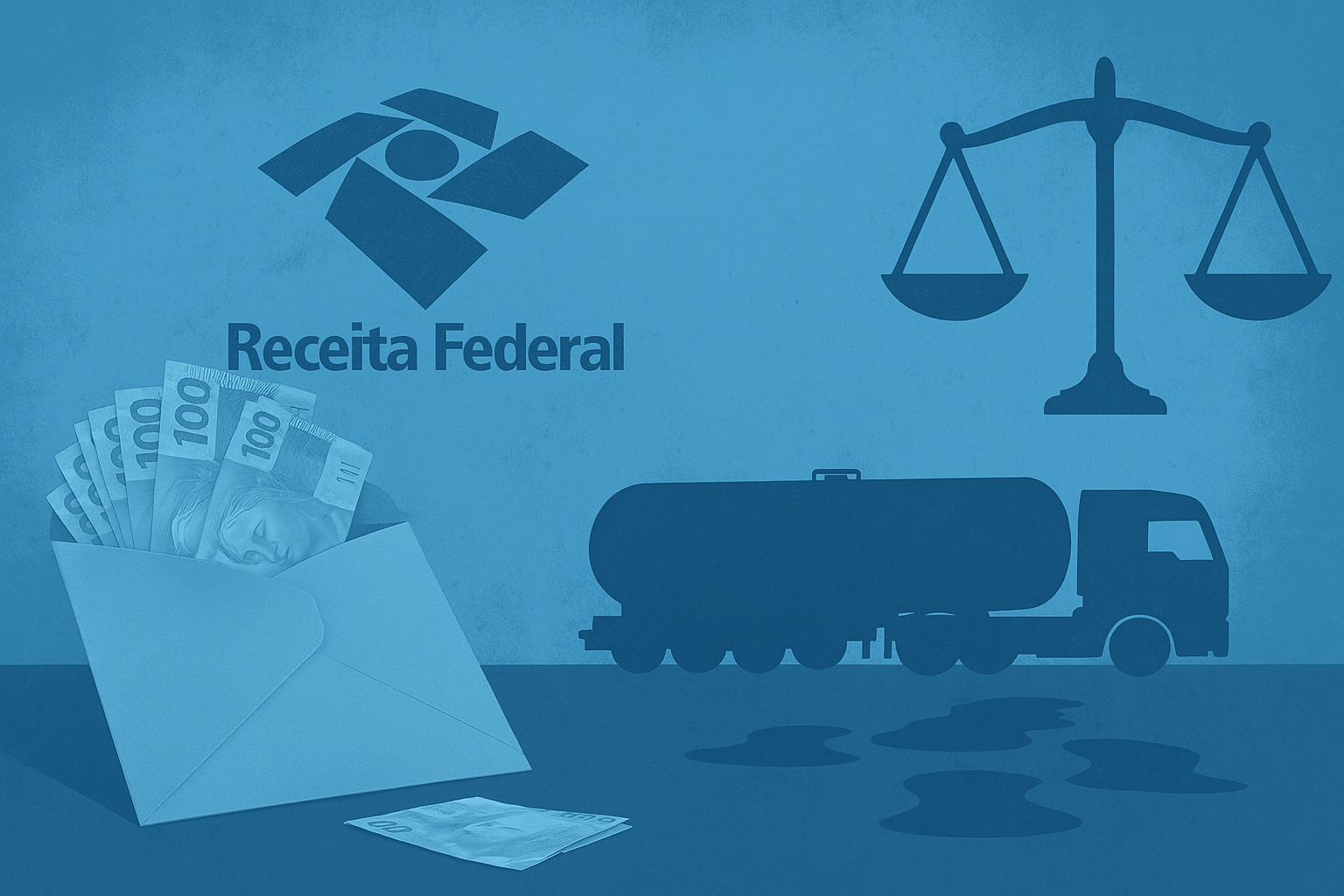
In Brazil, informality has long been more profitable — and far safer — than earning 15% a year from the central bank’s benchmark rate. Blame the country’s tax madhouse: a legal labyrinth of exemptions, loopholes and injunctions where exceptions became the rule. Only now is the new digital enforcement network tightening its grip on the champions of informality — from operators who treat invoices as optional to those who use tax evasion to launder money, hide assets and fund criminal activity.
The crackdown comes ahead of Brazil’s new tax reform, which begins to take effect in 2026 under a gradual transition. The goal is clear: to anticipate the shift, level the playing field and give formal-sector companies a real chance to compete — without paying a penalty for honesty. The government wants, in short, to reset the rules before the whistle blows, so that rule-followers aren’t, once again, the biggest losers on the field.
The effort, however, remains uneven. Informality will not disappear. But part of it can, and should, be confronted head-on. Entire sectors still benefit from outdated incentives, legal blind spots and a tax authority that always wants more, while those playing by the rules keep footing the bill. Brazil is trying to find a way out of informality. But if it leaves the door open — and the key under the mat — the tax dodger will be right back in.