
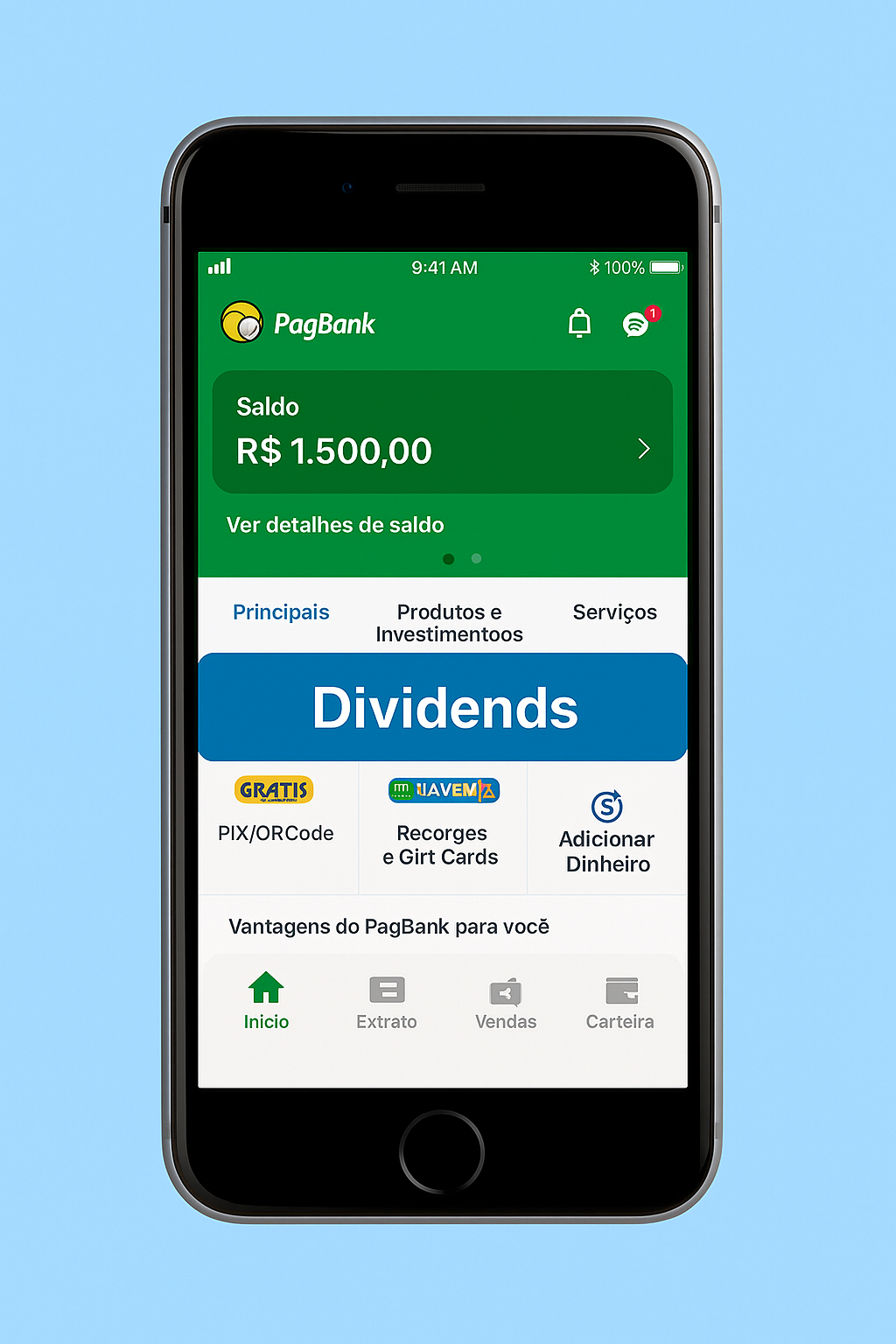
On August 15, PagBank (NYSE: PAGS) paid R$191 million ($37 million) in dividends — only the second payout since its 2018 IPO. The bank also committed to distribute 10% of annual net income every year.
The cash return came as the bank’s capital ratio slipped from 33.2% in 2024 to 29.6% in the second quarter of 2025. The minimum requirement, 8.75% until last December, rose to 10.5% in January under the Central Bank’s Basel III framework.
The paradox is clear. The fintech easily meets regulation but is expanding its loan book — now R$3.9 billion, up 35% year on year — while also returning cash to shareholders. Growth consumes capital; dividends drain it too.
The card reader helps square the circle. Every transaction generates receivables that can be prepaid, creating predictable, low-cost funding. This mechanism, which gave PagBank dominance in the long tail of micro and small merchants, remains a competitive edge.
The risk lies in complacency. Regulatory buffers look generous today, but capital can evaporate quickly if expansion runs ahead of discipline. PagBank has proved it can act like a bank with dividends and solid ratios. The real test will be whether it can still look like one when the cycle turns.