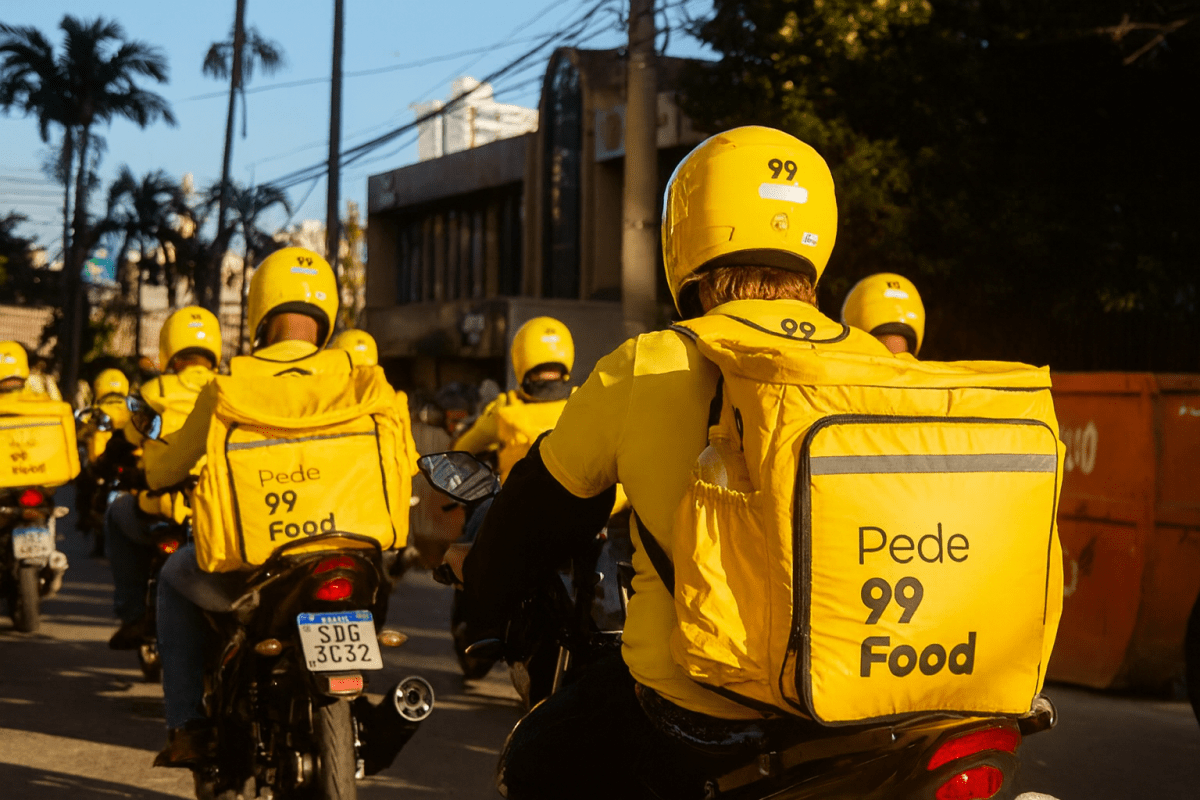
By Brazil Stock Guide – 99Food, the food-delivery unit of ride-hailing app 99 owned by China’s DiDi, launched operations in Rio de Janeiro, marking a R$350 million investment in one of Brazil’s most competitive markets. The rollout is part of a broader R$2 billion expansion plan announced in September during a meeting between DiDi executives and President Luiz Inácio Lula da Silva. After Goiânia and São Paulo, Rio becomes the third major front in 99Food’s nationwide push.
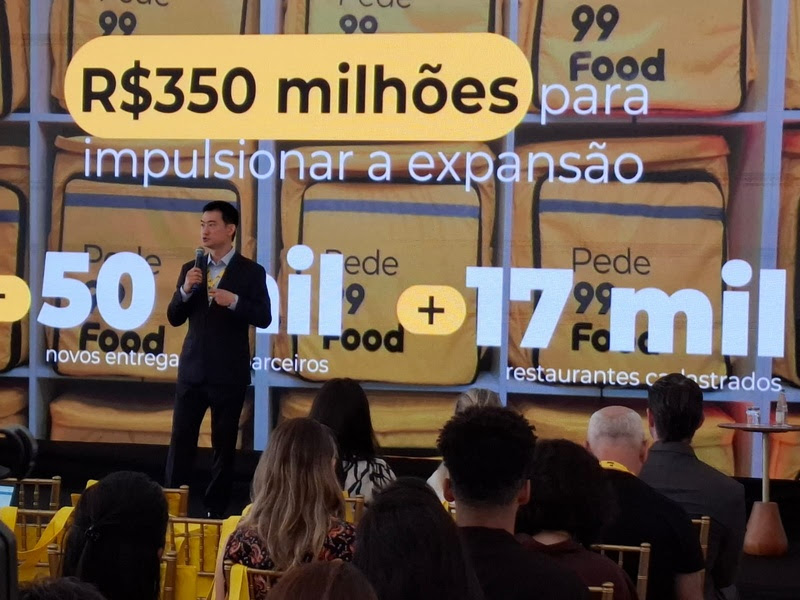
The app debuts across eight municipalities — including Rio, Niterói and Nova Iguaçu — with a strategy centered on “menu-price” meals, free delivery on selected orders, and R$99 in promotional coupons per user during launch. With 17,000 restaurants already onboarded, 99Food aims to cut costs for eateries and boost partner-driver income, offering daily earnings of up to R$250 and bonuses of R$7 per order during the first month of operations.
“The new delivery model was designed to create value across the entire chain — reducing costs and making the experience more accessible to consumers,” said Simeng Wang, general manager of 99 in Brazil, during a press briefing in Rio. He described the move as a “strategic step” toward consolidating 99 as a convenience ecosystem that integrates mobility, payments and delivery under one app.
The expansion comes amid a maturing delivery market dominated by iFood and Rappi — and consumers increasingly sensitive to price. A survey by the Locomotiva Institute found that 73% of Rio residents have stopped ordering food due to high prices, while 98% welcome a new platform that charges no commission to restaurants. 99Food is betting that this discontent could become its opening — and a test of whether “fair” can also mean profitable.