
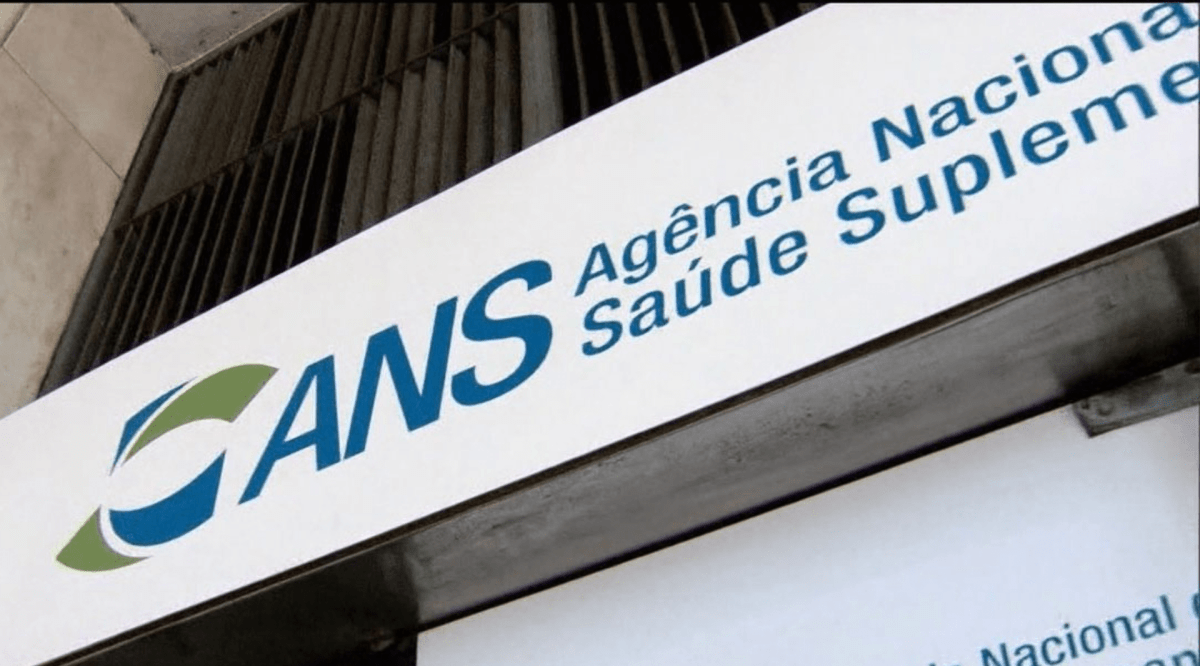
By Brazil Stock Guide – Brazil’s National Supplementary Health Agency, known as ANS, set the annual price increase cap for individual and family health plans at 5.11% for the 2026/2027 cycle after excluding Hapvida’s medical expense variation from the calculation, the regulator confirmed to Brazil Stock Guide.
The rate is the lowest ever set by ANS, except for 2021, when the adjustment was negative because the use of healthcare services fell during the Covid-19 pandemic. The decision affects not only Hapvida’s beneficiaries, but all of the roughly 7.7 million people enrolled in individual and family health plans in Brazil — about 14.5% of the country’s 52.9 million private medical plan users, according to March 2026 data.
An Earlier Warning
Brazil Stock Guide had already reported in March that the adjustment for individual health plans could vary significantly depending on how ANS treated Hapvida in its calculation. At the time, estimates from BTG Pactual indicated that the rate could be close to 5.4% in a base-case scenario, but could rise to around 7.8% if the operator were fully included in the sample.
The confirmation from ANS reinforces the central point of that analysis: the treatment given to Hapvida was decisive for the final rate. The operator was treated as an outlier in the calculation of medical expense variation, known in Portuguese as VDA, and its data did not enter the final adjustment formula.
Hapvida Left Out
In response to Brazil Stock Guide, ANS said that, when calculating VDA, it uses a method that discards values that are too far from the market average — known statistically as outliers — to avoid distortions in the final result.
“This year, Hapvida’s VDA fell into this category of values outside the standard range and was therefore not included in the final calculation,” ANS said.
Hapvida’s VDA was outside the normal range not only because of operational pressure, but also because of a possible base effect, according to healthcare industry sources familiar with the process. The 2024 figure may have been favored by an accounting recognition linked to Desenrola/SUS, a government debt-relief program, which was later questioned by ANS itself. With a lower regulatory base in the previous year, the 2025 variation appeared even further away from the market average.
In practice, that means Hapvida was left out of one of the most important components of the formula that produced the 5.11% cap. VDA is part of IVDA, the Healthcare Expense Value Index, which has an 80% weight in the adjustment formula. The remaining 20% comes from Brazil’s official inflation index, IPCA, excluding the health plan subitem.
Relief for Consumers
By treating Hapvida as an outlier, ANS preserved the statistical logic of its methodology and prevented a company-specific deviation from pushing up the adjustment for the entire market. For consumers, the result is a lower cap on monthly bills in a year marked by high interest rates, still-uncomfortable inflation and the political pressure typical of an election cycle. For health plan operators, it means less room to recover costs in a regulated segment with limited pricing flexibility.
“This is the lowest adjustment ever set by ANS, bringing relief to citizens who make an effort to keep a health plan for their families,” ANS president Wadih Damous said in the official statement. According to him, the agency’s goal is to balance the sector’s sustainability with beneficiaries’ ability to pay.
Medical Costs
The low rate does not mean the absence of pressure. ANS itself said that per-capita medical expenses in regulated individual health plans rose 8.32% in 2025 from 2024. That increase reflects higher prices for medical services and supplies, greater use of healthcare services, an aging beneficiary base and the inclusion of new procedures in Brazil’s mandatory coverage list for private health plans.
The gap between the 8.32% increase in medical expenses and the final 5.11% adjustment shows how the ANS formula works to smooth the pass-through to consumers. In addition to expense variation, the calculation considers age-bracket adjustments and efficiency gains, preventing all cost increases from being automatically transferred to monthly premiums.
“The result reflects a methodology based on the sector’s behavior, considering both the increase in healthcare costs and the frequency of service use,” said Lenise Secchin, ANS director of product standards and authorization, also in the statement. According to her, the formula seeks to avoid excessive increases for consumers without compromising the continuity of care.
Margin Pressure
For Hapvida, the outcome is particularly sensitive. The company has the sector’s largest exposure to individual health plans, with about 1.6 million beneficiaries in that portfolio, or 18% of its total base, according to ANS data.
The adjustment can only be applied in the month of each contract’s anniversary. For contracts with anniversaries in May and June, billing will begin in July or, at the latest, in August, retroactive to the contract anniversary month.
The 5.11% cap closes a debate that had been closely watched by the market. The question was whether Hapvida would pull the rate higher. By classifying the operator’s VDA as an outlier, ANS prevented a company-specific distortion from becoming a price increase for millions of consumers. Hapvida did not immediately respond to a request for comment.