By Brazil Stock Guide – Auren Energia (B3: AURE3) posted a net profit of R$354.7 million in the fourth quarter of 2025, reversing a loss of R$363.6 million in the same period a year earlier, as synergies from the integration of AES Brasil and non-recurring effects lifted earnings in the final quarter of the year.
Adjusted EBITDA reached R$1.0 billion in the quarter, up 13.5% year-over-year, supported by operational improvements and cost synergies following the acquisition of AES Brasil in late 2024. Quarterly net revenue rose 5.6% to R$3.8 billion, with electricity trading growing 12% to R$2.9 billion, reflecting stronger activity in the free energy market.
Integration and one-off effects
Part of the earnings improvement came from the recognition of R$142.8 million in EBITDA related to compensation for prudent investments linked to CESP hydroelectric concessions, which helped offset operational pressures in the power market. Excluding that effect, adjusted EBITDA would have been about R$866.9 million, slightly below the same quarter a year earlier.
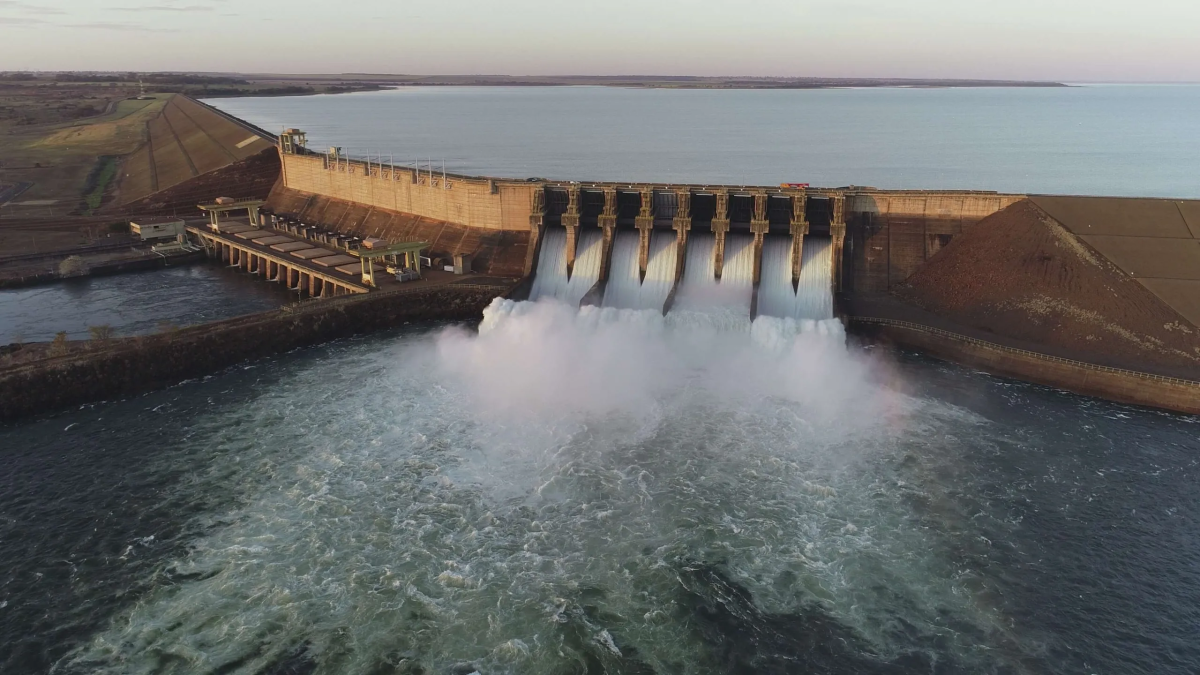
The company also continued to extract value from the integration of AES Brasil, which transformed Auren into one of the country’s largest renewable energy platforms, with about 8.7 gigawatts of installed capacity across hydro, wind and solar generation. Recurring cost synergies reached R$278.7 million, surpassing the company’s original annual target.
Renewable constraints
Despite the profit rebound, Auren faced significant operational headwinds from curtailment, a phenomenon in which renewable generators are forced to reduce output due to transmission bottlenecks or system conditions. In the fourth quarter, curtailment produced a net negative impact of roughly R$137 million, partially offset by R$70.4 million in gains from energy portfolio modulation.
Across the Brazilian electricity system, curtailment levels have increased sharply amid rapid expansion of wind and solar capacity, lower electricity demand growth and grid limitations in certain regions.
Sector outlook
Management said regulatory changes expected in 2026 could alleviate part of the impact, as Brazil approved legislation allowing generators to be compensated for curtailment linked to system reliability.
The company remains constructive on the medium-term outlook for power prices, expecting electricity tariffs to gradually converge toward the marginal cost of expansion as supply tightens later in the decade. Market expectations for long-term electricity prices have already moved higher, with analysts increasingly modeling levels above R$200 per megawatt-hour.