By Brazil Stock Guide – Brazil’s state development bank BNDES has approved a R$100 million (about US$18 million) loan to support a nickel processing project in the northeastern state of Piauí, underscoring the government’s strategy of expanding the country’s role in the global battery supply chain.
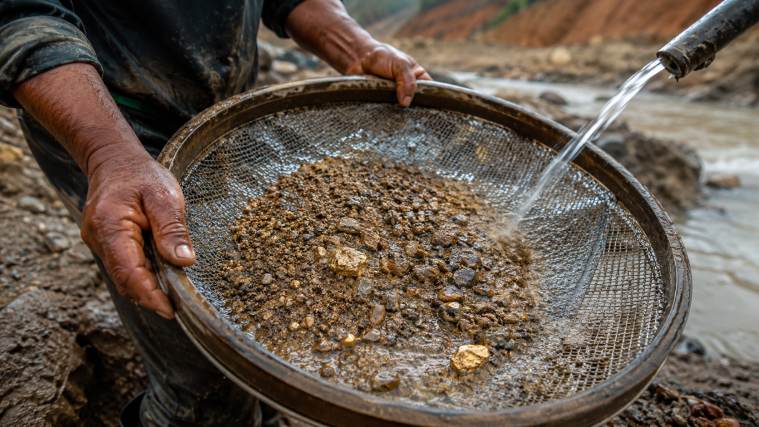
The financing will help Piauí Níquel Metais, a subsidiary of UK-based Brazilian Nickel, acquire equipment for a plant that will produce Mixed Hydroxide Precipitate (MHP) – a nickel and cobalt intermediate used in lithium-ion battery production. Commercial operations are expected to begin in 2028.
The loan covers only a small fraction of the project’s estimated US$1.4 billion cost, but it reflects a broader shift in Brazil’s industrial policy. Rather than focusing solely on mining, the government is increasingly backing downstream processing in an effort to capture more value from the country’s vast reserves of critical minerals.
Brazil ranks among the world’s largest holders of nickel resources but remains a relatively small player in the processing of battery-grade materials, a market currently dominated by Indonesia and China. Producing MHP domestically would position the country further along the electric vehicle supply chain and reduce its reliance on exports of raw or minimally processed ores.
The project was selected under a joint BNDES and Finep initiative supporting strategic minerals, part of the federal government’s Nova Indústria Brasil industrial policy. The program aims to strengthen domestic production in sectors linked to the energy transition, including battery materials, advanced manufacturing and clean technologies.
The investment also comes as Western governments seek to diversify supply chains for critical minerals amid growing geopolitical competition with China. Brazil has increasingly promoted its mineral resources as a potential alternative source for manufacturers looking to secure long-term supplies outside the current dominant producers.
Brazilian Nickel plans to produce approximately 27,000 metric tons of nickel and 900 metric tons of cobalt annually, both in the form of MHP. The company is still seeking additional financing from international lenders and private investors to complete the project’s capital structure.
While modest in financial terms, the BNDES loan is another indication that Brazil intends to compete not only as a supplier of critical minerals, but increasingly as a producer of higher-value materials used in the global clean energy industry.