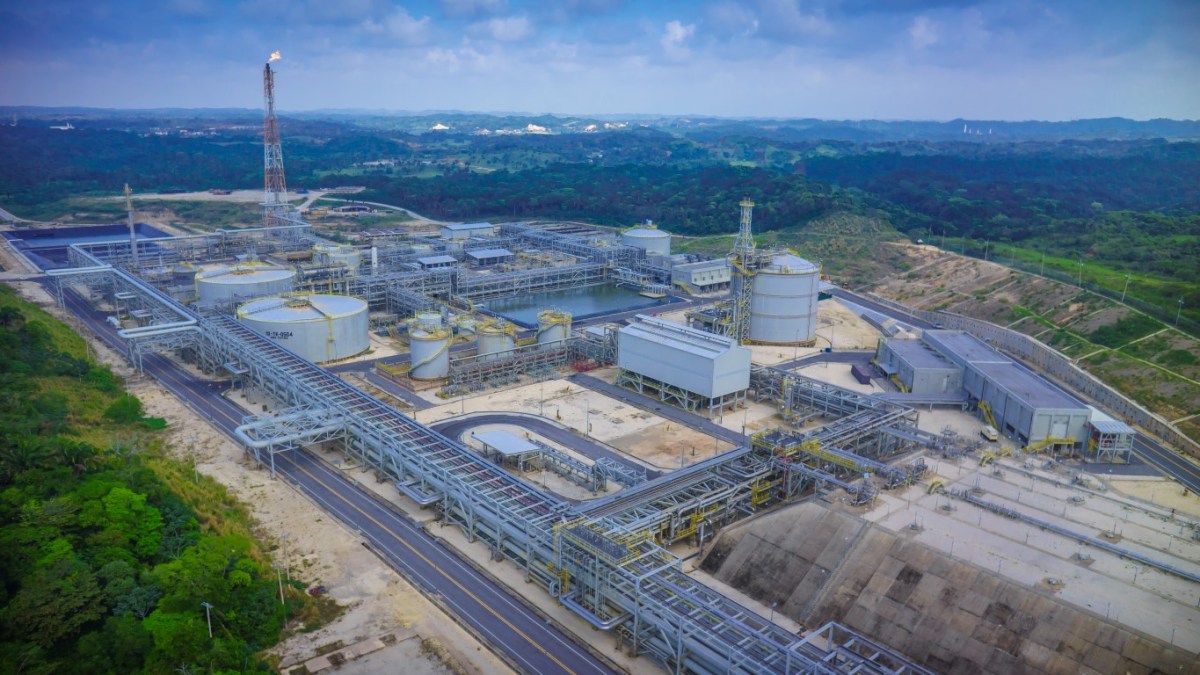
By Brazil Stock Guide – Braskem S.A. (B3: BRKM5; NYSE: BAK) faced a fresh setback on Tuesday, Sept. 9. Credit agencies Fitch Ratings and S&P Global Ratings downgraded its Mexican petrochemical subsidiary Braskem Idesa, raising concerns over a potential default. Fitch lowered the rating to CCC+, while S&P cut it to CCC and kept the company on CreditWatch Negative, signaling the possibility of further downgrades.
Fitch said limited cash generation and high leverage are restricting Braskem Idesa’s ability to meet obligations. The agency affirmed the secured notes at CCC+, with a Recovery Rating of RR4, equivalent to average recovery in a stress scenario. S&P noted that Braskem’s decision to hire restructuring advisers increased the likelihood of an earlier-than-expected debt renegotiation in Mexico.
Restructuring on the table
The cuts bring Braskem Idesa closer to the edge of default, shutting access to capital markets and driving up borrowing costs. The downgrade echoes the 2020 supply clash with state-owned Pemex over ethane, a key feedstock, which forced operations to run at higher costs and underutilized capacity.
With margins under pressure and global petrochemical demand unstable, investors see limited options. Braskem may need to inject additional support, or creditors may push for a formal restructuring. The downgrade also weighs on the parent company’s cost of capital amid a cycle of tighter spreads for chemical products.
Regional and global impact
While Braskem Idesa bondholders face potential losses, regional competitors in polyethylene could gain market share. Still, the company’s credit deterioration adds systemic risk to Latin America’s petrochemical sector, already strained by currency volatility and feedstock costs.