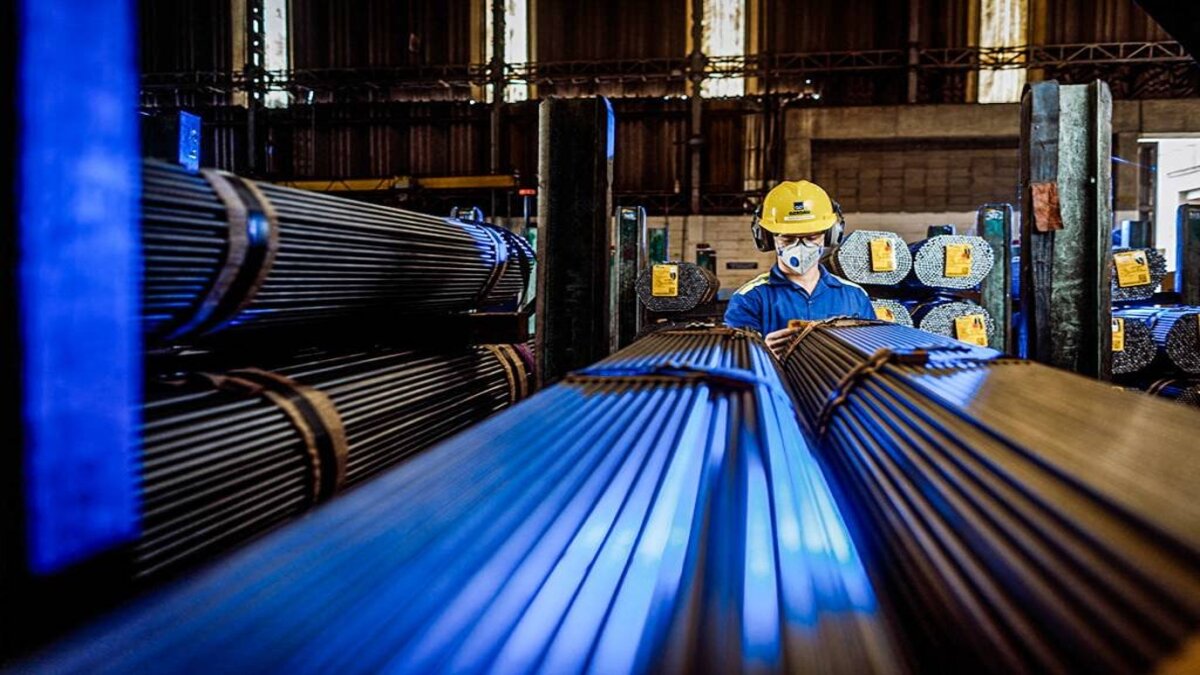
By Brazil Stock Guide – Brazil on Wednesday (27) approved a package of trade defense measures and tariff cuts aimed at strengthening key sectors of its economy. The decisions include a definitive antidumping duty on carbon steel sheets from China and a provisional duty on polyethylene resins from the United States and Canada, alongside a zero import tariff on healthcare inputs. The measures directly benefit companies such as Gerdau (BVMF: GGBR4), Usiminas (BVMF: USIM5), ArcelorMittal Brasil, and Braskem (BVMF: BRKM5; NYSE: BAK).
The Foreign Trade Chamber’s Executive Management Committee (Gecex-Camex) confirmed a definitive antidumping barrier on Chinese carbon steel, providing relief for local steelmakers facing global oversupply. In petrochemicals, a temporary surcharge on polyethylene resins shields Braskem, Latin America’s largest producer, from mounting foreign competition. Meanwhile, zero tariffs on medical inputs aim to reduce costs for hospitals and consumers.
The moves highlight Brazil’s dual strategy: protecting strategic sectors such as steel and petrochemicals from dumping practices while cutting costs in healthcare and boosting investment through the Ex-tarifário regime covering capital goods, telecom and IT equipment.
Winners include Gerdau, Usiminas and ArcelorMittal, which gain breathing space from cheaper Chinese steel, and Braskem, which secures protection against resin imports. Importers of paper and glass, however, face new restrictions aligned with Brazil’s circular economy agenda. The measures also support recycling initiatives by integrating industrial and social policy for waste pickers.
The package links to the recently launched Brazil Sovereign Plan, which aims to shield exporters and workers from unilateral U.S. tariffs.
The government’s strategy underscores a fine balance: defend vulnerable industries, modernize factories, and cut essential consumer costs. Markets will closely watch whether steelmakers and petrochemical firms consolidate gains as the healthcare sector expands access in coming quarters.