By Rodrigo Uchoa, special for Brazil Stock Guide
In 2024, the cocoa market looked like an amusement park ride with no off switch. Prices more than doubled in some futures markets, driven chiefly by a catastrophic crop collapse in Côte d’Ivoire, the world’s top cocoa producer. droughts, disease pressure and aging plantations forced bean yields to plummet, dragging global supply into a deep deficit.
But as the rains returned and demand cooled, the very same commodity seems to be headed for a sharp slide — futures have dropped sharply, with London and New York contracts tumbling more than 50% from their peaks. Analysts now predict that the market may face a surplus in 2025–26 as production recovers and speculative positions unwind.
For chocolate behemoths like Barry Callebaut, the world’s largest cocoa processor and a critical supplier to many confectioners, the swings have been brutal. Callebaut has twice cut its outlook in 2025, flagging steep volatility and weak consumer demand as key pressures. Their challenges highlight a broader truth: even the giants are exposed when the cocoa rollercoaster accelerates.
From Commodity Chaos to Craft Chocolate
Yet while global giants struggle to calibrate, a quieter revolution is underway in Brazil’s bean-to-bar and origin chocolate sector. Here, small but nimble brands are using the turbulence as an opportunity to tout sustainability, traceability and origin stories that resonate with discerning consumers in Europe and beyond.

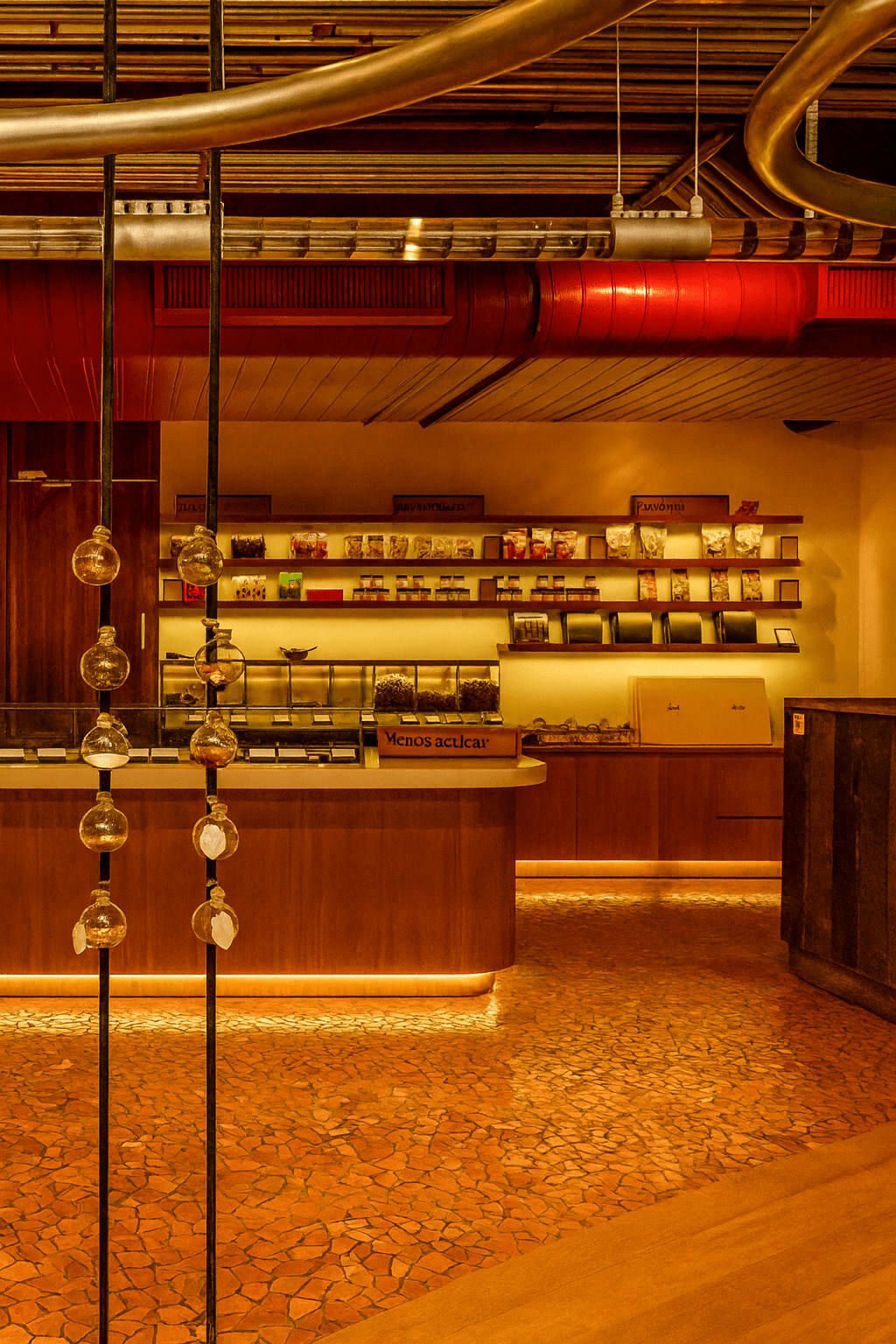
Take Dengo, for example. With its bean-to-bar model and commitment to agroforestry principles, Dengo has opened stores in Paris and is building a reputation for Brazilian chocolate that is more than just exotic — it’s ethical, ecological and tasty. Their French presence is symbolic: Brazilian cocoa, long overshadowed, now stepping into the European palate not as a curiosity but as a contender.
Another example is Mestiço, which adopts a tree-to-bar approach from its own Fazenda Bonança in Bahia. In a market saturated with global giants, Mestiço tells a local story — of land, legacy and flavor. Then there is Nugali, from Santa Catarina, which controls the chocolate process from bean to bar, exports to the U.S., Japan and the UAE, and has won multiple accolades in the International Chocolate Awards.
These Brazilian producers leverage a few advantages in this storm. First, Brazil’s own cocoa cultivation is far more diverse. In southern Bahia, where cocoa trees grow under the dappled shade of the Atlantic Forest, beans tend to express warm notes of wood, nuts and caramel.
In Pará, on the Amazon’s edge, the fermentation process yields brighter, fruitier profiles — hints of cupuaçu and red berries. In Espírito Santo, cooler air and clay soils lend floral, almost tea-like aromas. Even the Cerrado biome, once thought too dry for cocoa, has begun to produce beans of surprising elegance, cultivated in agroforestry systems alongside native species like baru and pequi.

Such diversity is mirrored in the chocolates themselves. Brazilian producers increasingly experiment with Forastero hybrids and selected Amelonado lines, producing bars with smooth acidity, clean finishes and a depth of flavor unfamiliar to European palates accustomed to West African blends. The result is a sensory map as complex as the country’s ecosystems.
In Europe and niche markets elsewhere, these chocolates have been well received. Critics and consumers alike praise the complexity, the fruity or nutty notes peculiar to Brazilian terroir, and the ethical stories that accompany each bar.
The cocoa rollercoaster may squeeze out volume players, but it also primes the stage for boutique originists. In Brazil’s hands, chocolate is evolving from bulk good to narrative craft — and a bar from Bahia may soon carry as much weight in a Parisian salon as any Swiss classic.