By Rodrigo Uchoa, special for Brazil Stock Guide
In 1808, when Dom João VI fled to Rio de Janeiro with half the Portuguese court, his entourage complained not about the heat, nor the mosquitoes, but about the absence of a proper drizzle of olive oil. In colonial kitchens, lard and beef tallow still ruled; olive oil, imported at great cost from Portugal, was a luxury reserved for the wealthy or the convalescent. Two centuries later, the Brazilian table has flipped. A drizzle that was once medicinal is now aspirational. And increasingly, it is domestic.
Brazil’s olive oil industry, long dismissed as a charming curiosity—an agricultural experiment more suited to academic papers than supermarket shelves—is rapidly acquiring its own personality.
Brazil’s Two Olive Frontiers: Campanha and Mantiqueira
Two forces propel this shift. First, the vertiginous rise in global olive-oil prices, driven by droughts across the Mediterranean, has encouraged Brazilian farmers to plant groves aimed at a “commercial premium” segment. Second, a small but growing tribe of well-heeled consumers has decided that paying for local terroir is perfectly reasonable. These are the same Brazilians who buy micro-lot coffees and boutique cachaças: the skeptical consumerists of the countryside.
The numbers reveal both promise and proportion. Brazil produces around 3,000–4,000 tonnes of olive oil a year—barely a drop compared with its more than 100,000 tonnes of annual imports. Most of the bottles on Brazilian tables still hail from Portugal, Spain and Italy, with Argentina filling the role of convenient neighbour in lean years. In volume terms, the country remains the world’s third-largest importer. But quality is a different story.
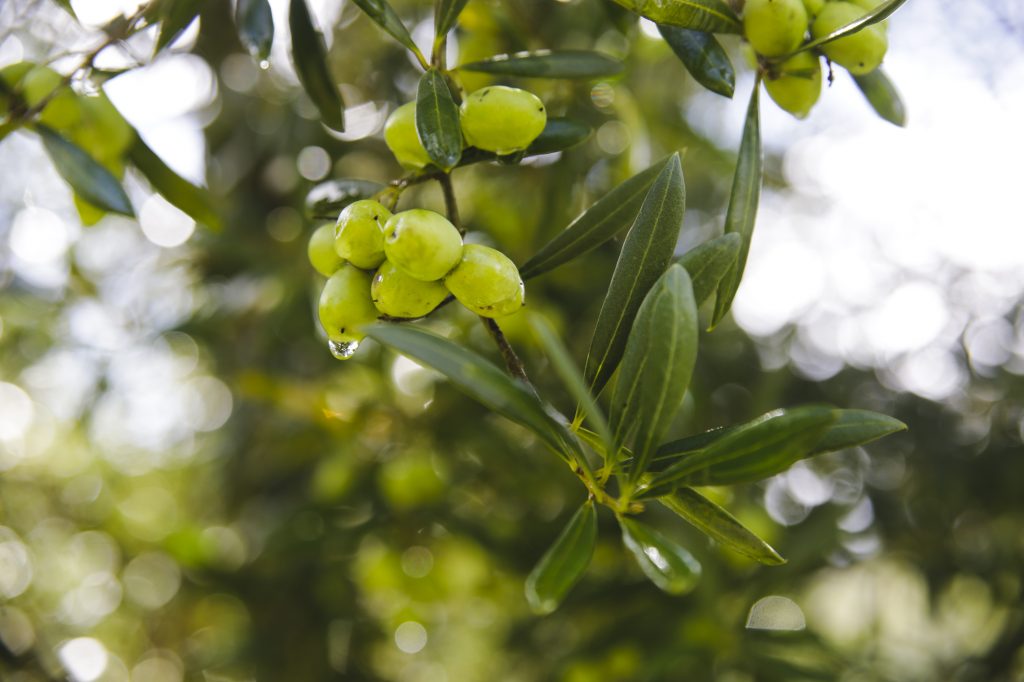
Enter Embrapa, the federal agricultural research agency, whose plant scientists have spent two decades identifying cultivars and microclimates suited to Brazilian soils. Their work underpins both the commercial scale-up and the boutique boom. Without Embrapa, the domestic industry would still be stuck in the experimental orchard.
Two regions now anchor Brazilian production, each mirroring a strand of this two-tier system. The Campanha Gaúcha, in the southern state of Rio Grande do Sul, is the workhorse. Its rolling pampas, fit for cattle and now olives, resemble parts of Andalusia in latitude if not in temperament. Here, larger producers craft oils aimed at a broad premium public: fruity blends, Arbequina-led bottlings, and monovarietals that reach supermarkets and online shops. Brands such as Prosperato and Olivas do Sul exemplify this “commercial premium” tier, with prices typically between R$45 and R$80 for a 250 ml bottle. They are polished, consistent and increasingly recognised abroad.
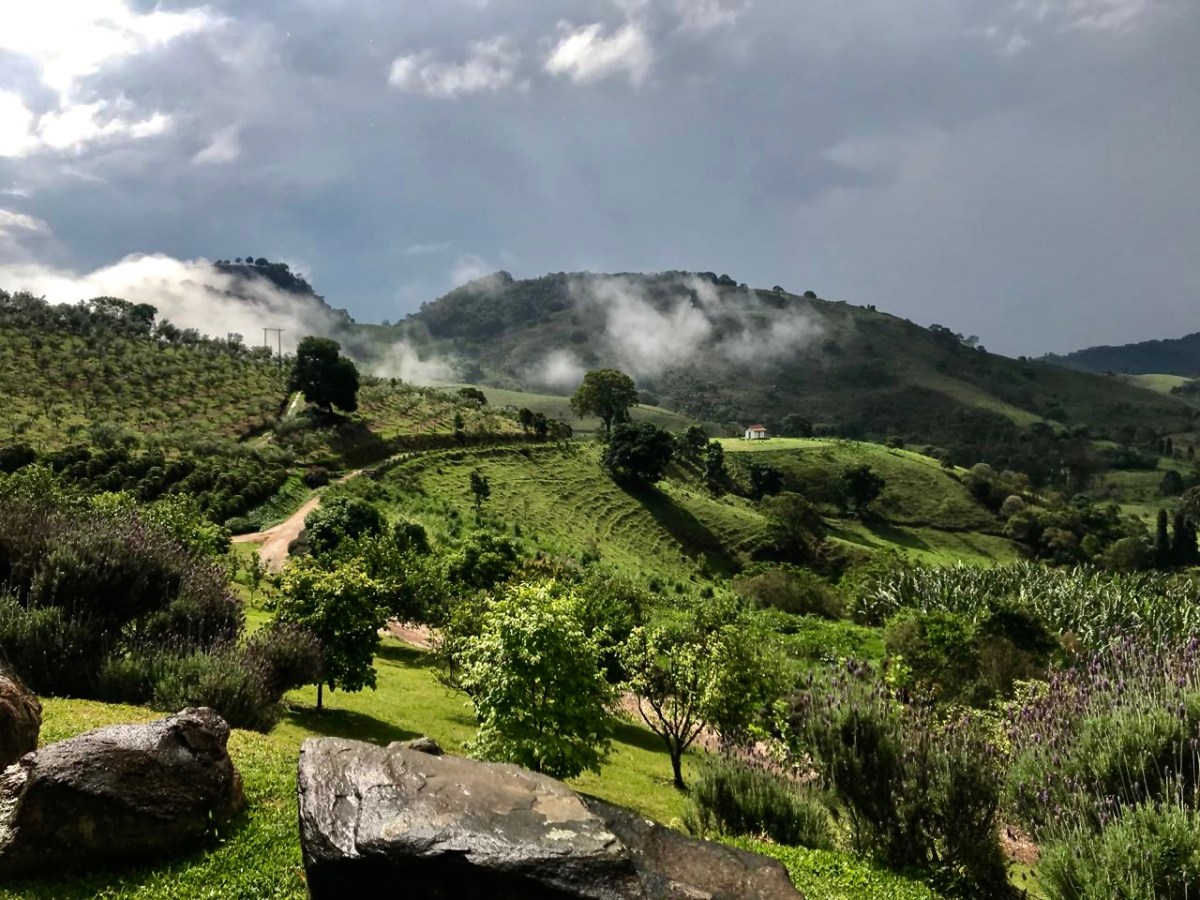
The second pole sits far to the north-east in the Serra da Mantiqueira, a mountain chain crossing Minas Gerais and São Paulo. High altitude, cool nights and steep slopes produce oils of surprising elegance. If the south is Brazil’s Andalusia, the Mantiqueira fancies itself a proto-Tuscany. Small estates—often owned by families who also grow specialty coffee or boutique wine—produce limited batches with the swagger of terroir. Here, bottles are labeled by altitude, cultivar and milling date; “harvest conversations” resemble those of winemakers. This is where the pursuit of character becomes a philosophy.
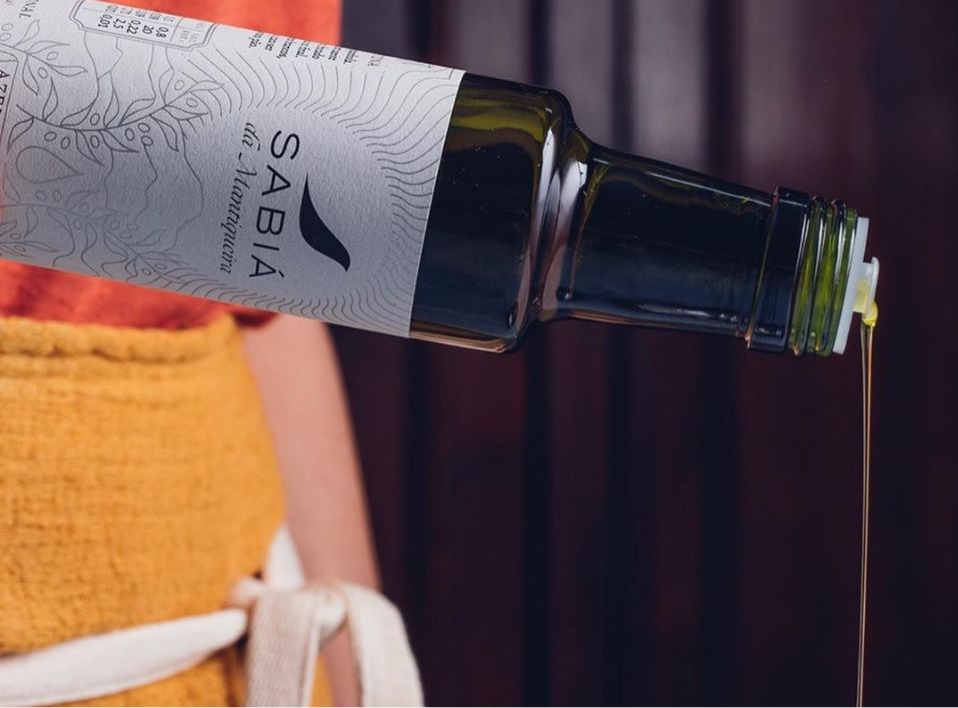
Take Azeite Sabiá, perhaps the most decorated of the Mantiqueira. Its Koroneiki monovarietal bursts with green tomato leaf, almond skin and gentle bitterness; its Arbosana leans softer, with ripe apple and peppery lift. Expect to pay R$120–R$180 for 250 ml—prices that once would have provoked fainting, but now elicit knowing nods from gastronomic enthusiasts.
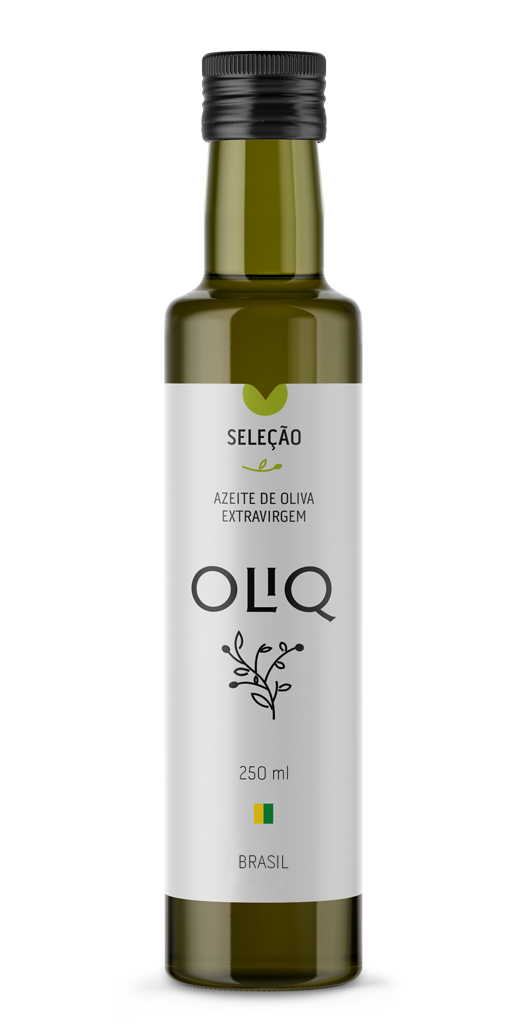
Irarama, another standout, offers expressive oils marked by artichoke, grass and a long, resinous finish. Even boutique São Paulo producers such as Oliq have scored international medals, proving that altitude and fast milling can compensate for Brazil’s lack of Mediterranean seas.
From Experimental Orchards to Award-Winning Terroir
The terroir turn is not mere affectation. As with wine and coffee, Brazil’s varied topography enables genuine distinctions. Oils from the Campanha tend toward broader fruit—banana peel, green almonds, soft bitterness—while Mantiqueira oils show sharper herbaceous notes, higher polyphenols and more assertive pepper. Producers are now pushing for Indication of Origin status in both regions, hoping to mimic Europe’s alphabet soup of PDOs and PGIs. Bureaucracy may delay the dream, but the impulse is telling: Brazil wants to be taken seriously.
Domestic consumers, for their part, are also evolving. A new generation of middle-class cooks, nurtured on YouTube chefs and international food television, no longer dismisses olive oil as foreign affectation. As imported oils grow pricier, Brazilian options look increasingly sensible. And for food influencers, nothing signals sophistication like drizzling a monovarietal Mantiqueira Koroneiki over a mozzarella de búfala.
Brazil will not dethrone Spain or Greece anytime soon. Its production remains tiny, its climate unpredictable, and its agronomy still evolving. But the country that once relied on imported oil for courtly stews now bottles its own liquid pride. Whether the Campanha becomes a Brazilian Jaén or the Mantiqueira turns into a new Chianti is, of course, uncertain. But hope—like olive oil—rises to the top.
🌾 Campanha Gaúcha (RS)
Producers / Brands:
- 🫒 Prosperato — https://www.prosperato.com.br/
- 🫒 Olivas do Sul — https://www.olivasdosul.com.br/
🏔️ Serra da Mantiqueira (MG/SP)
Producers / Brands:
- 🌿 Azeite Sabiá (Koroneiki, Arbosana) — https://lojaazeitesabia.com.br/
- 🌿 Irarama / Fazenda Irarema — https://www.fazendairarema.com.br/
- 🌿 Oliq — https://oliq.com.br/