
By Brazil Stock Guide – Brazil’s federal power authorities moved to tighten operational controls after fresh data confirmed that rainfall across the country’s main river basins is running below normal, raising risks to electricity supply in 2026. The measures were approved by the government committee responsible for monitoring power security.
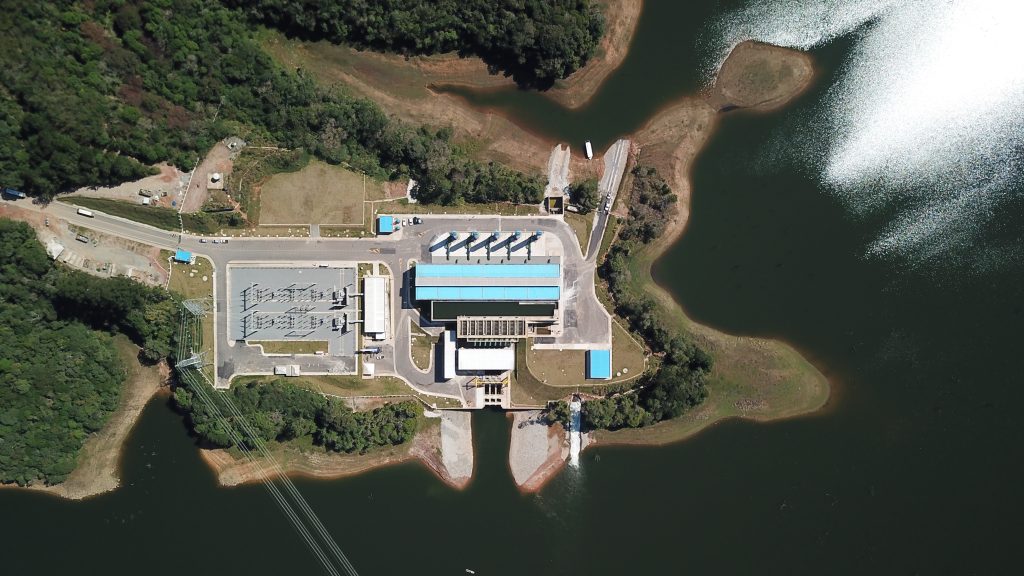
Hydropower dominates Brazil’s electricity system. Dams generate more than half of total power and serve as the grid’s primary form of energy storage. As a result, rainfall — not fuel availability — is the system’s main constraint. In December, stored energy across the national grid stood at around 45%, leaving little margin for error if dry conditions persist.
The pressure is strongest where demand is concentrated. Reservoirs in the Southeast and Center-West, home to São Paulo, Rio de Janeiro and Brasília, ended the year at just 42%. Water inflows were below historical averages in every region, according to grid data.
Why this matters now
The downside scenarios sharpen the warning. For January, planners estimate that inflows could fall to 55% of the long-term average nationwide. That would be the weakest inflow level in 96 years. Under this scenario, stored energy could drop below 45%, forcing tougher operational trade-offs later in the year.
To slow the decline, authorities ordered power plants to preserve water rather than maximize generation. Officials also demanded tighter monitoring of the Paraná river basin, the backbone of Brazil’s hydropower system, and instructed agencies to prepare additional reductions in river outflows from March 2026 if rainfall does not recover after the fish-spawning season.
Grid operators highlighted the importance of Belo Monte, one of the world’s largest hydroelectric plants, for maintaining system balance during dry periods. Even with environmental restrictions that limit output, its contribution remains critical.
Authorities said the system remains operationally secure. Margins, however, are tightening.
What happens if rains stay weak
Brazil enters 2026 better prepared than in past drought cycles. In 2025, the country added 7.4 gigawatts of new generation, expanded high-voltage transmission by 5,702 kilometers (3,544 miles) and increased transformer capacity across the grid. Wind and solar projects led the expansion.
That build-out reduces blackout risk. It does not eliminate economic costs. Low inflows force heavier use of thermal plants, which raises power prices and feeds into inflation, at a moment when Brazil is moving toward a fully liberalized electricity market.
Authorities also addressed local vulnerabilities. They declared an energy emergency in Bailique, a remote river district in northern Brazil, authorizing up to 1 megawatt of temporary generation for six months after storm damage cut off transmission lines. Separately, they approved the shutdown of diesel plants in Roraima after the state was connected to the national grid.
For now, the system is holding. The message from Brasília is blunt. If rains fail to recover, reservoirs — not policy — will dictate outcomes. Those decisions would ripple through prices, inflation and economic growth in Latin America’s largest economy.