By Brazil Stock Guide – Brazil has moved to strengthen protection of its domestic chemical market by imposing antidumping duties of up to 97.3% on imports of ethanolamines from China, in a decision published on April 1, 2026 and already in force for up to five years.
The measure affects companies such as Sailboat Petrochemical, which received the lowest duty at around 23.6%, and Qingdao Highly Chemical, as well as the group classified as “other producers/exporters in China,” all of which face the maximum 97.3% tariff applied to the customs value of imports.
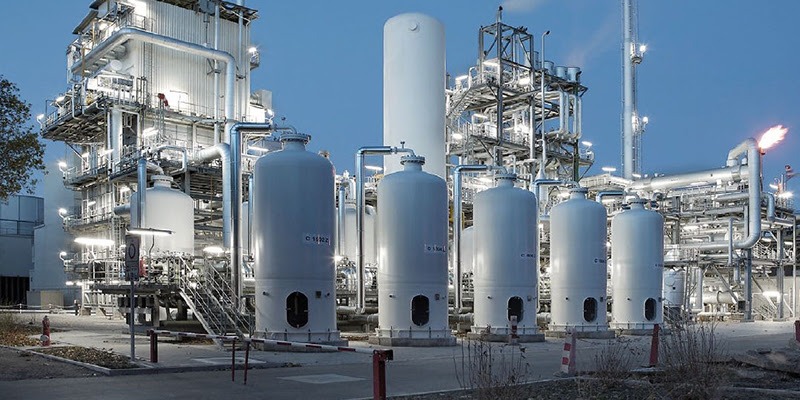
Ethanolamines are widely used inputs in products ranging from detergents and cosmetics to industrial applications. In its technical findings, the Brazilian government concluded that Chinese exporters engaged in dumping — selling at prices below those practiced in their domestic market — causing material injury to the local industry, with a clear causal link between the two.
According to the investigation, the surge in Chinese imports at depressed prices contributed to downward pressure on domestic prices, loss of market share by Brazilian producers and deterioration in key industry indicators, including margins and profitability.
The case was initiated following a petition by Oxiteno, now controlled by Indorama Ventures, a Thailand-based petrochemical group. The company argued that rising imports coincided with declining market share and weaker financial performance in Brazil.
The measure also indirectly benefits Braskem, the country’s main supplier of petrochemical feedstocks to this value chain. With reduced external competition in downstream segments, domestic demand for inputs is likely to remain more resilient, at a time of tighter global margins.
The decision builds on an existing framework of trade defense in the sector. Brazil already maintains antidumping measures on ethanolamine imports from the United States and Germany, with tariffs reaching roughly 59%, which were recently extended. The new ruling expands that structure by including China at significantly higher duty levels.
While detailed company-level data remain confidential, the investigation pointed to a meaningful increase in Chinese imports in recent years, with a direct impact on pricing dynamics and domestic market share.
For local producers, the decision is expected to ease competitive pressure. For importers and industrial consumers, however, the effect may be the opposite: fewer sourcing options and potentially higher costs.
In practice, Brazil is deepening protection across a key industrial chain, limiting exposure to major global supply hubs and reshaping the competitive balance in the ethanolamines market.