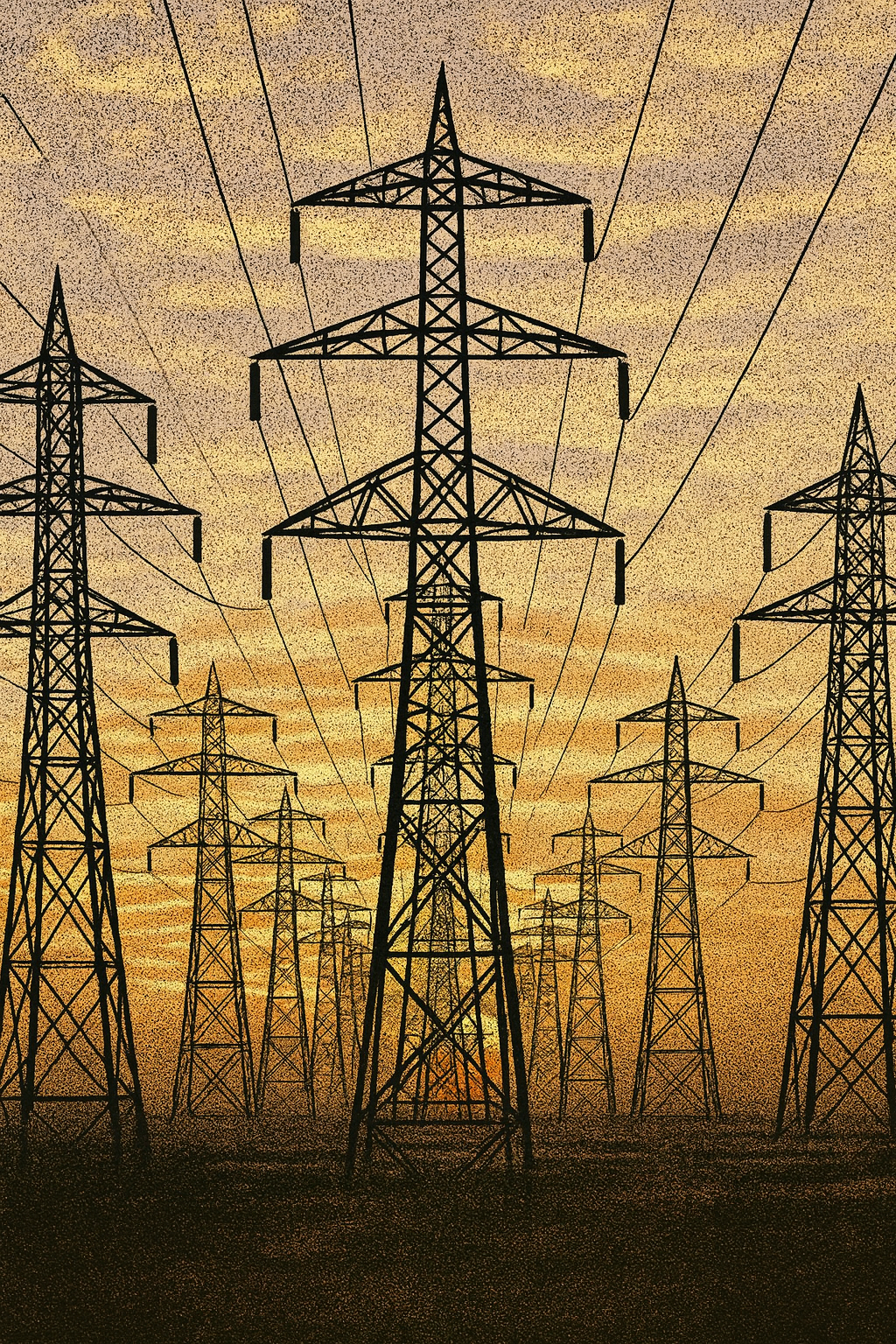
Brazil Stock Guide— Axia Energia Sul emerged as the biggest winner by number of assets in the second stage of Brazil’s 2026 power transmission auction on Friday, securing three of the four lots offered, while Alupar captured the round’s largest and most strategic project.
The auction, held by power regulator Aneel at São Paulo’s B3 exchange, posted an average discount of 53.21% in the second phase. Combined with the first round held in March, the overall average discount for Transmission Auction No. 1/2026 reached 51.58%, underscoring continued aggressive competition for regulated infrastructure assets.
The largest project, Lot 7, was awarded to Consórcio Olympus XX, formed by Alupar and Infra 2 Invest (held by Perfin), with an offered Annual Permitted Revenue (RAP) of R$ 96.72 million, representing a 52% discount to the regulatory ceiling. The project includes underground 345-kV transmission lines and the São Miguel substation in São Paulo.
Axia Energia Sul won Lots 8, 9 and 10, offering RAPs of R$ 10.836 million, R$ 16.213 million and R$ 23.749 million, respectively. The bids translated into discounts ranging from 51.84% to 59.04%, among the most aggressive in the auction.
The second-stage projects represent R$ 1.8 billion in planned investments, covering 61 kilometers of transmission lines and 2,400 MVA of transformation capacity.
The four lots were auctioned separately from the first phase because they were linked to transmission assets formerly operated by MEZ. Aneel delayed their sale until Brazil’s Federal Court of Accounts (TCU) approved the legal framework allowing the projects to return to the auction.
Axia strengthened its footprint by winning the majority of the assets on offer, while Alupar secured the auction’s flagship project, reinforcing its strategy of targeting larger, higher-value regulated assets rather than maximizing the number of concessions.
The results also reinforce one of the defining features of Brazil’s transmission sector: fierce bidding competition continues to drive discounts above 50%, increasing pressure on developers to deliver projects efficiently while preserving returns over the life of the concessions.