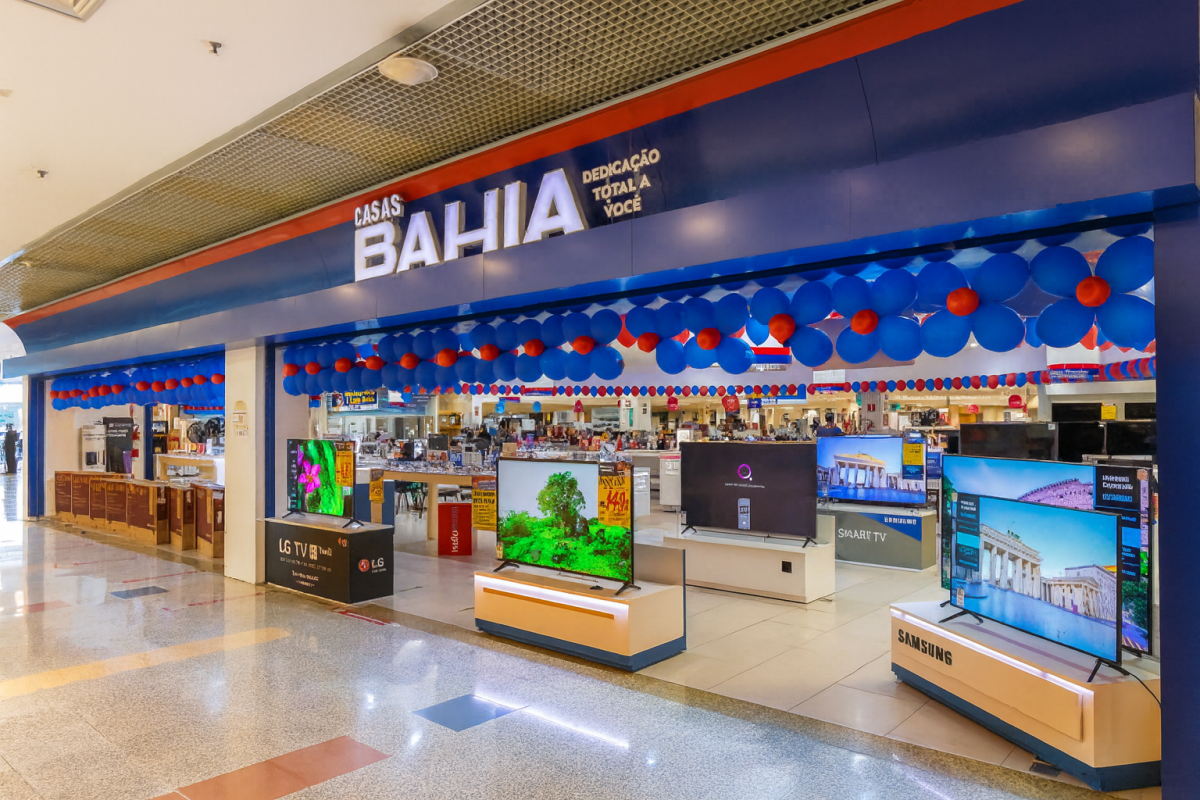
By Brazil Stock Guide – Grupo Casas Bahia (B3: BHIA3) has announced the start of a commercial partnership with Amazon in Brazil, enabling its products to be sold directly on Amazon.com.br. The move expands the company’s digital distribution and reinforces its push to scale e-commerce operations.
Starting this week, Casas Bahia’s core portfolio — including appliances, electronics and furniture — will be available on Amazon’s platform. The company will retain control over assortment, pricing and customer experience, underscoring its ambition to position itself as Brazil’s leading 1P omnichannel retailer.
Channel expansion
The partnership comes as Casas Bahia accelerates its digital strategy following years of operational pressure. The company has reported double-digit e-commerce growth in recent quarters, signaling a gradual recovery in online relevance.
By tapping into Amazon’s traffic, Casas Bahia adds a high-impact sales channel without relying solely on its own digital infrastructure. The move is expected to support inventory turnover and expand nationwide reach, particularly in regions where its physical footprint is limited.
Logistics integration and Prime
A second phase of the agreement includes logistics integration between the two companies. This would make Casas Bahia products eligible for the Prime badge, enabling faster and free delivery for subscribers.
This step is critical, as it connects the retailer’s operations to Amazon’s distribution network — one of the platform’s key competitive advantages. If executed well, it could improve conversion rates and strengthen competitiveness in categories where delivery speed and cost are decisive.
Parallel with Mercado Livre
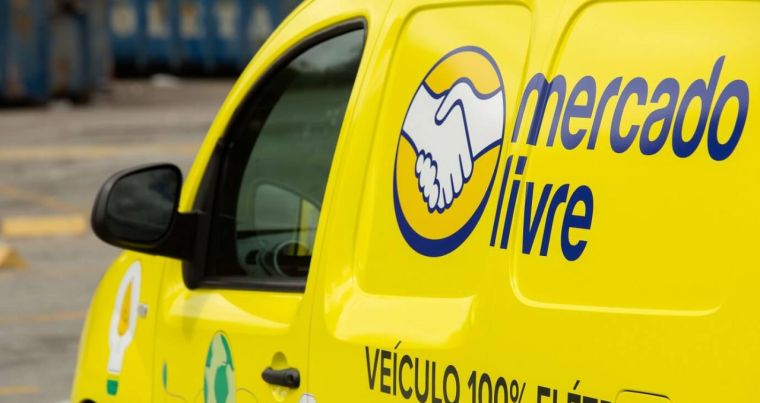
The move is not isolated. In October 2025, Casas Bahia had already entered into a similar partnership with Mercado Livre, allowing it to sell products directly on the platform.
At the time, the objective was also to expand digital reach and accelerate online sales, with meaningful logistics integration, particularly for bulky items. The agreement marked the beginning of a broader shift in the company’s distribution strategy.
Strategic read-through
Together, the two agreements point to a structural shift: Casas Bahia is evolving from a retailer centered on owned channels to a model of distributed omnichannel retail across third-party ecosystems.
However, the partnerships are not identical.
On Mercado Livre, the model is more hybrid, combining marketplace dynamics (3P) with first-party operations, prioritizing scale, liquidity and volume. On Amazon, Casas Bahia emphasizes a 1P approach, acting as a direct supplier while maintaining tighter control over pricing, assortment and customer experience.
This suggests complementary positioning: Mercado Livre as a scale and volume engine, while Amazon may serve as a more controlled, premium logistics-driven channel, especially with the potential integration into Prime.
Execution and margins in focus
For investors, the key question is not just channel expansion, but the economic impact of these partnerships. Selling within major platforms can boost volume, but also intensifies competition and may pressure margins.
The success of the strategy will depend on Casas Bahia’s ability to balance growth with profitability, leveraging its logistics as a structural advantage while avoiding price erosion in highly competitive environments.
In the near term, the agreements reinforce the company’s recovery and digitalization narrative. Over the medium term, the market will look for clear evidence of cash generation and operational efficiency.