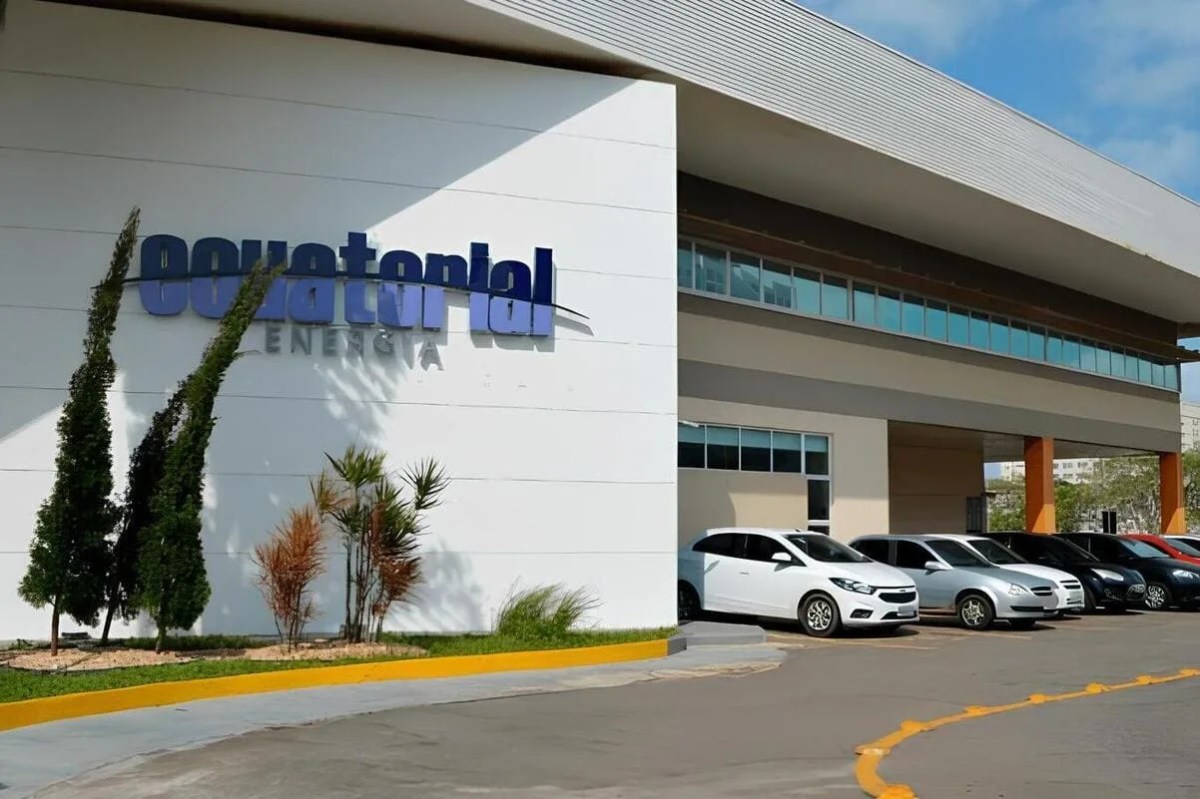
By Brazil Stock Guide – Equatorial S.A. (B3: EQTL3; USOTC: EQUEY) reported a 3.1% rise in total energy injected into its distribution networks in the third quarter, supported by higher demand from industrial, commercial, and low-income residential consumers. Billed and compensated energy grew 2.6% across the group’s concessions, while distribution losses fell to 17.4%, a reduction of 0.5 percentage points year-on-year and one point below the regulatory threshold.
The Northern region, which includes Pará and Amapá, posted mixed results: Pará’s injected energy advanced 3.1%, but Amapá fell 4.5% amid weaker residential and retail consumption. In the Northeast, growth was stronger, with Piauí up 9.4%, Maranhão 5.9%, and Alagoas 1.8%. The Midwestern state of Goiás saw a modest 1.4% increase, while Rio Grande do Sul in the South added 2.2%, buoyed by economic recovery and a 1.2-point cut in technical and commercial losses. Solar and wind microgeneration now account for up to 18% of distributed power in some concessions.
“Loss reduction remains a key operational lever for margin improvement,” said Leonardo da Silva Lucas Tavares de Lima, vice president of finance, investor relations, new businesses and M&A, in a statement dated October 27. The company highlighted that four of its seven distributors — Piauí, Alagoas, Goiás, and Amapá — are already below their regulatory loss limits.
In renewables, Equatorial generated 1,315 GWh of net power, virtually flat from a year earlier. Excluding constrained-off effects (when grid restrictions limit generation), output would have reached 1,894 GWh, down 7.3% year-on-year. Wind production grew 3.5% but was offset by a 16.1% drop in solar generation due to lower irradiance and transmission bottlenecks. The group’s sanitation division expanded billed water accounts by 9.6% and sewage connections by 6%, raising water service coverage from 59% to 70%.
Equatorial, which serves more than 14.6 million customers across seven states, continues to consolidate its position as one of Brazil’s largest energy utilities, combining distribution, generation, and sanitation under a single platform. The results underscore steady regional expansion, operational discipline, and ongoing diversification beyond electricity distribution.