By Rodrigo Uchoa, special for Brazil Stock Guide
For much of the late 20th century, vermouth occupied an ambiguous position in the drinking world: too strong to be treated as wine, too modest to compete with the growing pantheon of premium spirits. Often relegated to the role of supporting actor in Martinis or Negronis, it was a staple that few truly paid attention to. Today, that story is being rewritten.
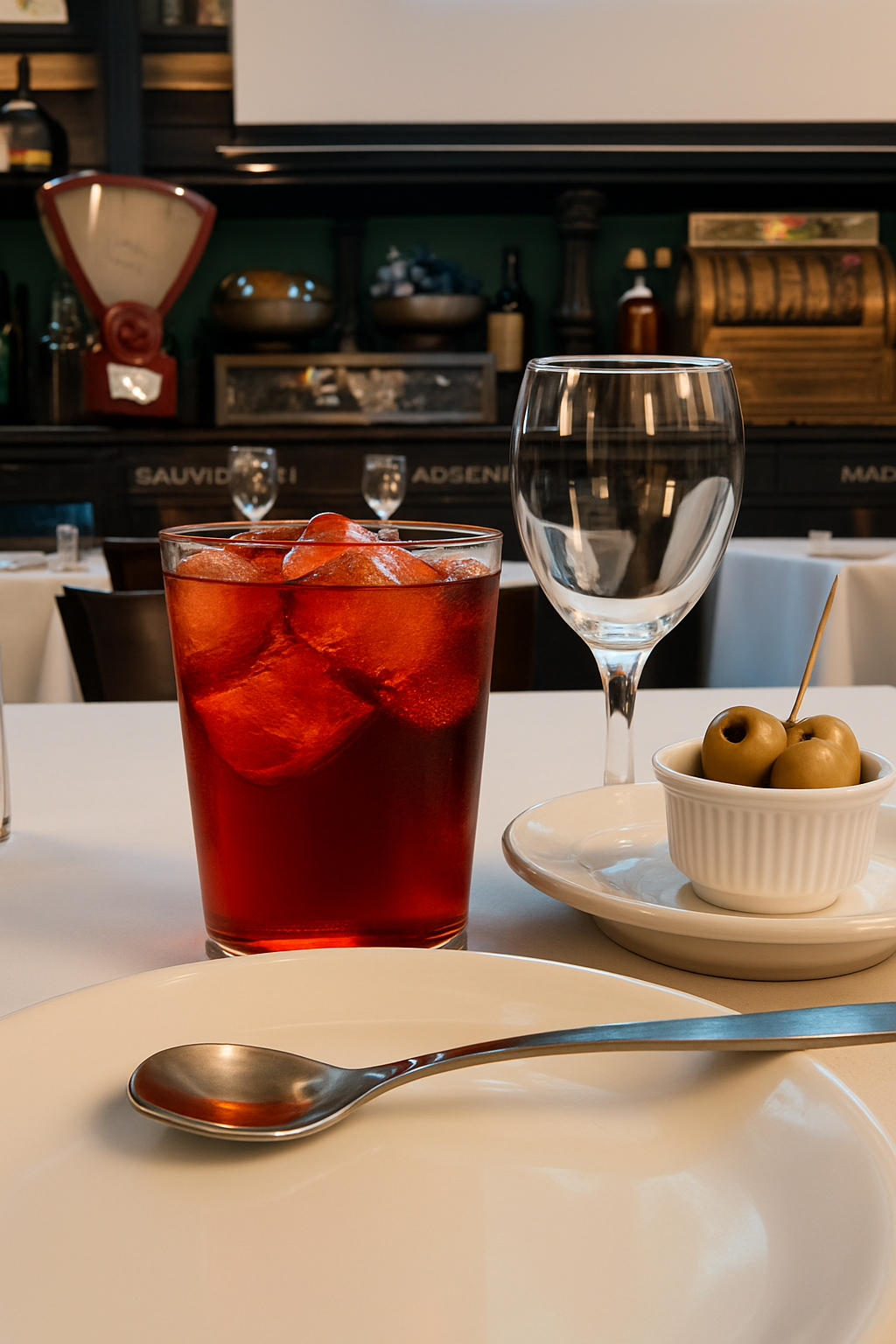
Across Europe, vermouth is staging a renaissance. In Spain, the tradition of la hora del vermut has been embraced by a new generation, with Sunday afternoons in Barcelona’s bodegas now as much about sipping a chilled red vermouth as sharing tapas. Italy, its historic heartland, has seen established producers like Carpano and Martini & Rossi expanding their premium lines, while craft makers in Piedmont and Liguria are offering boutique blends. In Berlin and London, specialist bars dedicated to fortified wines have multiplied, positioning vermouth alongside natural wine and small-batch gin as a drink of connoisseurship.

Faster Than Gin: Vermouth’s Global Momentum
Numbers tell part of the story. The global vermouth market was estimated at just over US$10 billion in 2023, a fraction of the US$500 billion global spirits industry but growing faster than many categories. Analysts project steady annual growth of around 5% to 6% over the next five years, driven by younger consumers seeking lower-alcohol, more “sessionable” options. For comparison, sales of gin, which enjoyed its own revival in the past decade, are expanding at a slower pace of roughly 3%. The rise of vermouth reflects a broader cultural shift: a pivot towards drinks that carry heritage and ritual without necessarily inducing excess.
Part of vermouth’s appeal lies in its versatility. It can be poured simply over ice with an orange slice, lengthened with soda in a spritz, or stirred into cocktails that never fall out of fashion. The Negroni, whose bittersweet profile owes as much to the choice of vermouth as to the gin or Campari, has become a global emblem of cocktail culture. The Manhattan, with its brooding notes of rye whiskey softened by sweet vermouth, remains a bar-room classic that connects Wall Street executives with hipster bartenders in equal measure.
Vermouth Finds Its Place in Brazilian Cocktail Culture
Brazil, long dominated by beer, cachaça and more recently gin, is beginning to notice. São Paulo, with its cosmopolitan drinking scene, now hosts a growing list of venues treating vermouth with respect. At Guarita Bar, aperitifs based on both imported and Brazilian-made vermouths sit confidently alongside caipirinhas. Tan Tan Noodle Bar surprises patrons with highballs where vermouth plays a starring role. Meanwhile, SubAstor, the speakeasy-style venue beneath Astor in Vila Madalena, offers not only classic Negronis but also variations that showcase the nuances between different vermouth houses.
While sales volumes in Brazil remain modest, importers report a rise in demand for European labels, and a few domestic producers are experimenting with local botanicals. Among them are Almafuerte, a project that combines artisanal methods with Brazilian botanicals for complex, bittersweet blends; Aureah, known for its refined production in São Paulo; and Companhia dos Fermentados, which takes an innovative approach by using natural fermentation and native ingredients. These labels are beginning to carve out a niche among bartenders and curious drinkers alike. It may be a small trend for now, but the same was once said about gin or natural wine before they became staples of urban nightlife.
The resurgence of vermouth is not merely about flavour. It is about ritual, pacing, and a sense of cosmopolitan belonging. In an era when drinking culture increasingly blends curiosity with restraint, vermouth has found a sweet spot: historic yet flexible, complex yet approachable. Once overlooked, it is now being poured with a confidence that suggests its revival has only just begun.