By Brazil Stock Guide –Brazil’s government said Tuesday it will begin phasing out fuel subsidies after a cease-fire agreement between the US and Iran helped ease international oil prices, reducing pressure on domestic fuel costs and shifting the focus back to fiscal targets.
The first measure will be the removal, starting Wednesday, of a 0.35-real-per-liter subsidy on diesel, Finance Minister Dario Durigan said at a press conference alongside Planning Minister Bruno Moretti and National Petroleum Agency head Artur Watt Neto.
“We are removing the 0.35-real-per-liter diesel subsidy as of tomorrow, and we will not stop there. We are assessing the other diesel subsidy, of 1.12 reais, and especially the gasoline subsidy, of 0.44 real,” Durigan said.
The government introduced the measures to shield consumers from the impact of higher oil prices during the Middle East conflict, which had raised concerns about fuel inflation in an election year. Oil has since returned to around $70 a barrel, close to levels seen before the escalation, according to the government.
Subsidies remain in place for diesel, gasoline and liquefied petroleum gas, while federal tax relief is also applied to biodiesel and aviation kerosene. Authorities also created credit measures for airlines and expanded oversight of potential abusive fuel-price increases at gas stations.
Moretti said the withdrawal of subsidies will be gradual and designed to preserve fiscal neutrality, with the government seeking to maintain its primary budget target without changes.
“With this premise of fiscal neutrality maintained, we will remove the subsidies so that our primary result target is met, without any change,” Moretti said.
Part of the fuel-support package was financed by extraordinary revenue linked to higher oil prices, including royalties and increased tax payments from commodity exporters. With the external shock fading, economic officials argue that keeping the full package in place would add fiscal costs without the same emergency justification.
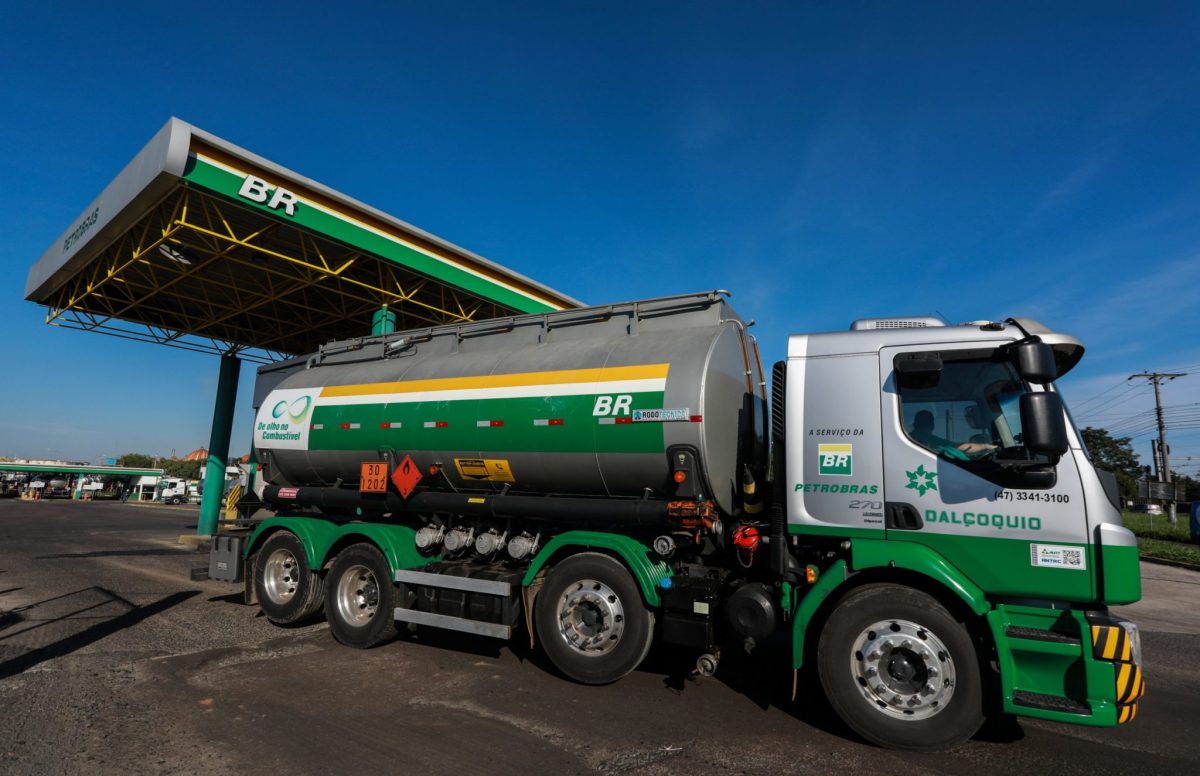
Brazil’s fuel market is closely tied to Petróleo Brasileiro SA (PETR4), or Petrobras, the state-controlled oil producer that plays a central role in domestic supply and pricing dynamics. The government’s next steps will focus on assessing the remaining diesel subsidy and the gasoline relief still in force.