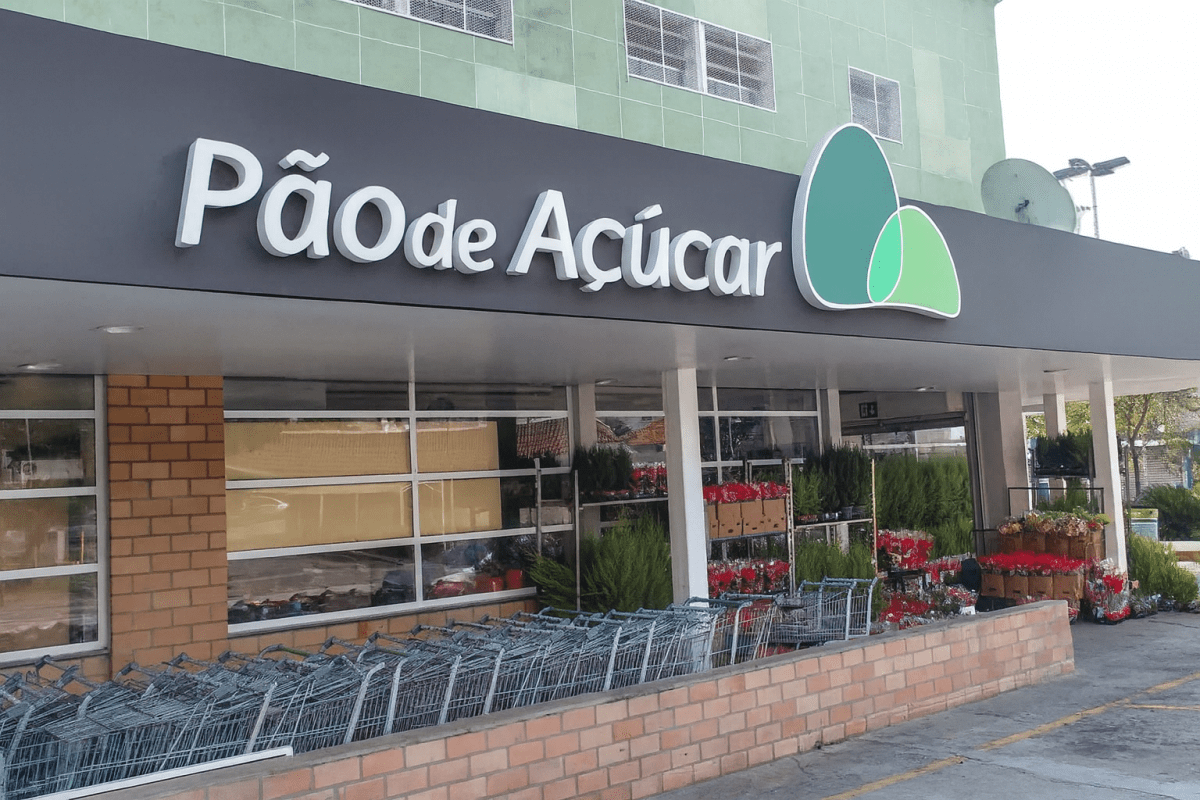
By Brazil Stock Guide – Grupo Pão de Açúcar (PCAR3), formally Companhia Brasileira de Distribuição, suffered a procedural setback in its arbitration dispute with former controlling shareholder Casino Guichard-Perrachon after the arbitral tribunal denied its request to freeze the French group’s shares and any proceeds from a potential sale. The decision removes a key layer of protection the Brazilian retailer had sought while the case remains unresolved.
The injunction was part of arbitration proceedings initiated in May 2025 and aimed to prevent any changes in Casino’s ownership position during the dispute. By rejecting the request, the tribunal signaled that it does not see sufficient grounds, at this stage, to restrict the shareholder’s assets — even though the core case is still ongoing. GPA said it is evaluating additional legal steps.
Debt-linked exposure
The ruling matters beyond legal optics because of its direct connection to GPA’s balance sheet. In March, the company warned a court in São Paulo that certain debt contracts include clauses allowing lenders to demand early repayment if specific legal events occur — including developments in the arbitration with Casino.
If triggered, those provisions could accelerate roughly R$4.5 billion in financial obligations, creating immediate liquidity pressure. To mitigate that risk, GPA filed for an extrajudicial restructuring — a Brazilian legal mechanism that allows a company to renegotiate debt terms with creditors outside a full bankruptcy process, while seeking court validation.
Without the injunction in place, the uncertainty increases: any movement involving Casino’s stake — or even adverse interpretations of the arbitration’s progress — could be viewed by creditors as a trigger event.
Tax dispute at core
At the center of the arbitration is a dispute over tax guarantees linked to goodwill amortization between 2007 and 2013, later challenged by Brazilian tax authorities in assessments that could reach R$2.6 billion. GPA argues those liabilities should be covered by guarantees provided by Casino when it controlled the company.
Casino, however, contends that the guarantees became unenforceable after its own court-supervised restructuring in France, turning the case into a cross-border legal dispute with implications for both governance and credit risk.
Legal risk meets liquidity
The case highlights how a shareholder dispute can translate into financial risk. GPA is trying to stabilize its capital structure through debt renegotiation, but the arbitration remains a key variable that could directly affect its funding profile.
The tribunal’s decision does not determine the outcome of the case — but it removes a near-term safeguard. For investors, the takeaway is straightforward: the legal dispute remains active, and its potential to spill into GPA’s debt agreements is still very much in play.