
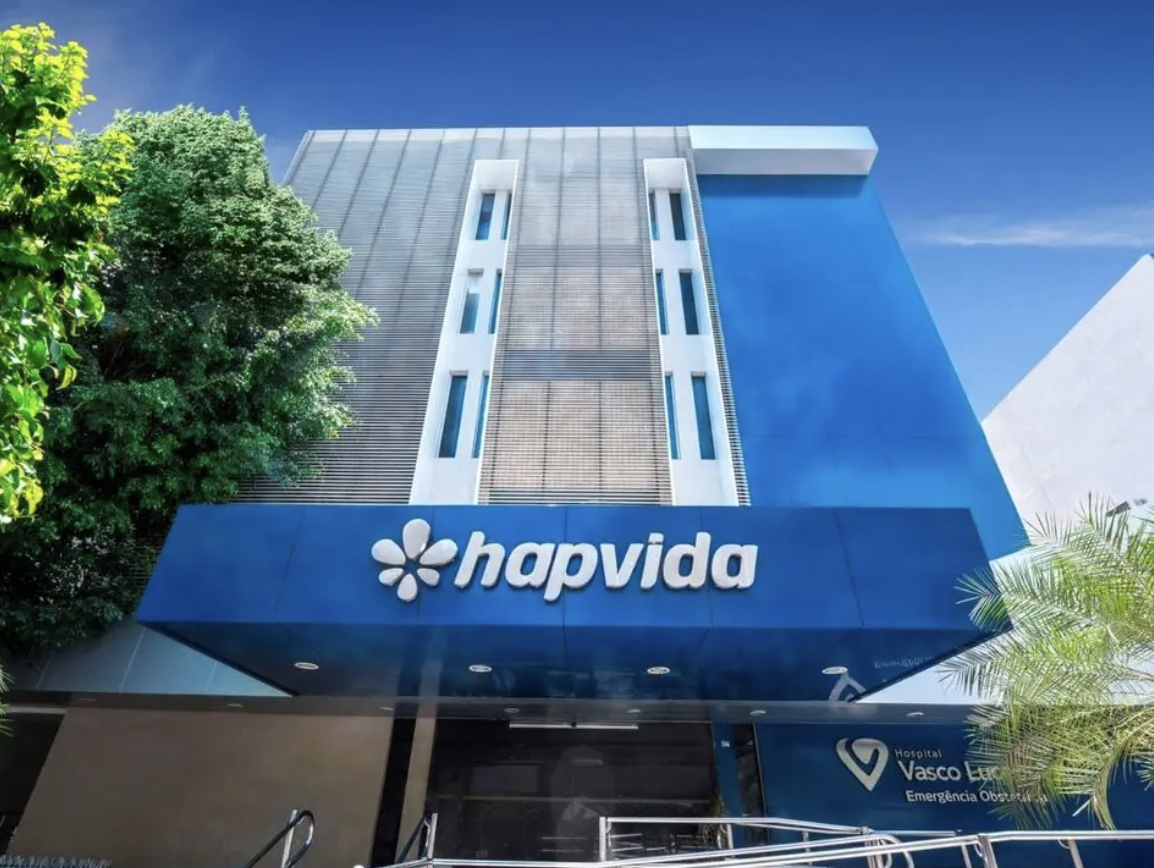
By Brazil Stock Guide – The controlling shareholders of Hapvida (HAPV3), led by the Pinheiro family — which includes Candido Pinheiro (father and son) and Jorge Pinheiro — have increased their stake to about 55% of total capital, or nearly 59% excluding treasury shares, through a combination of direct holdings, stock lending exposure and derivatives with physical settlement, in a move seen as an effort to shield control amid rising tension with minority investors ahead of a pivotal shareholder meeting.
Control vs. minority pressure
The April 30 assembly, which will elect a new board under a cumulative voting system, has become a flashpoint between the controlling family and minority shareholders. The structure allows investors to concentrate votes, increasing the odds that dissident shareholders gain representation.
At the same time, lending activity in Hapvida shares has surged to extreme levels, turning the stock into a battleground for voting power as minority-backed nominees — Tania Chocolat, Bruno Magalhães e Silva and Eduardo Parente — challenge the incumbent board including Candido Pinheiro, Jorge Pinheiro, Carlos Piani, José Camargo Junior, Nicola Calicchio, Maria Paula Soares, Carlos Takahashi and José Galló.
Activist campaign
The pressure is being led by Squadra Investimentos, which holds close to 7% of the company and has launched an unusually aggressive campaign against management. The fund argues that Hapvida has destroyed significant shareholder value since its IPO, pointing to a sharp divergence between the company’s performance and broader market benchmarks.
Squadra has called for changes to the board, greater independence and a review of strategy, including potential asset sales in underperforming regions. Its central argument is that scale has not translated into returns — and that governance failures have amplified operational missteps.
Defensive move
Market participants see the controlling family’s move to increase its stake as a direct response to this pressure. By expanding both direct and synthetic exposure, the group strengthens its voting position at a time when share lending has effectively redistributed voting rights across the market.
The use of derivatives with physical settlement adds another layer to the strategy, allowing the controllers to consolidate influence without relying solely on open-market purchases.
Governance test
The outcome of the vote will determine whether Hapvida remains firmly under the control of its founding family or begins to shift toward a more balanced governance structure. Other relevant shareholders include local funds such as SPX and Kapitalo, alongside global investors like Norges Bank, Vanguard, BlackRock and Fidelity.
With the company facing operational challenges and rising healthcare costs, the dispute highlights a deeper issue: in Brazil’s health plan operators sector, governance is no longer a secondary concern — it is central to value creation.