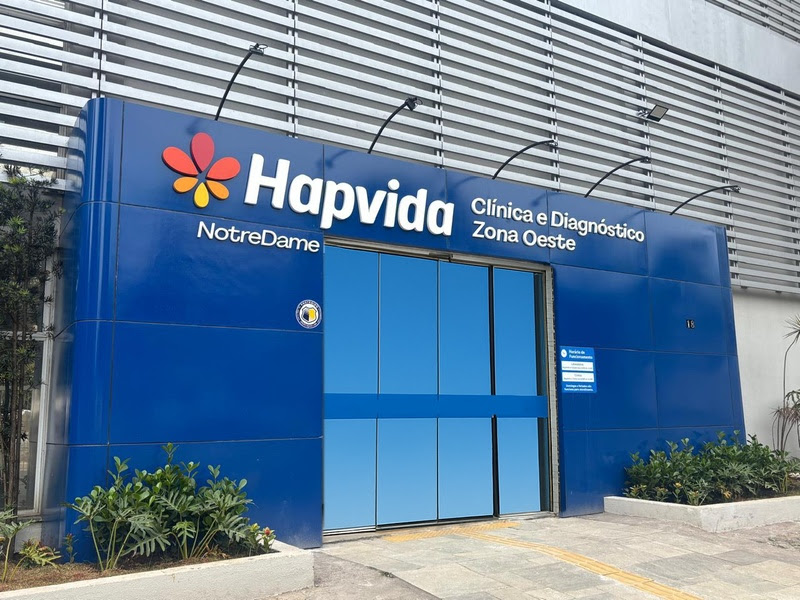
By Brazil Stock Guide – Hapvida (HAPV3) is facing a sharp repricing of risk after its fourth-quarter results, with debt markets signaling stress as spreads widened to as much as CDI +13%, according to BTG Pactual. The move shifts the investment debate from growth to balance sheet sustainability, raising questions about the company’s ability to generate cash and manage leverage in 2026.
The deterioration has been swift. Hapvida’s most liquid debentures traded near CDI +1.1% after the third quarter, then climbed to above CDI +7% before earnings and surged further post-results. At the same time, shares have fallen about 71% since the 3Q release, underperforming Brazil’s Ibovespa. The divergence highlights how fixed-income investors moved faster to reprice risk.
Balance sheet under pressure
BTG Pactual notes that Hapvida still reports net debt/EBITDA of roughly 1.3x under covenant definitions and holds R$8.2 billion ($1.6 billion) in cash, versus R$931 million ($186 million) in short-term debt. Management stated there is no immediate need for a capital increase and no short-term liquidity pressure.
However, the bank estimates economic leverage closer to 3x, reflecting weaker cash generation and operational pressures. The distinction is critical: liquidity remains intact, but deleveraging capacity is uncertain. As a result, credit investors are demanding higher returns to compensate for execution risk.
The company remains agnostic and open to potentially exiting specific regions, with ongoing evaluations of asset rationalization.
Divestments as turning point
That stance has not fully reassured investors. BTG Pactual highlights that asset sales are viewed as the main catalyst to stabilize the balance sheet, yet management has provided limited detail on timing or structure. The lack of urgency reinforced concerns among fixed-income investors, who are now prioritizing free cash flow and leverage over growth metrics.
This marks a shift in the investment narrative. Hapvida was once seen as a scale-driven consolidator in Brazil’s healthcare market. Now, investors focus on capital discipline and execution. The company’s new management team will be assessed primarily on cash generation, leverage reduction and operational efficiency.
Looking ahead, BTG expects credit metrics to deteriorate further through 2026, even as early signs of normalization emerge in utilization trends. Debt may offer more attractive risk-reward after the sell-off, but equity remains tied to execution.
In practical terms, the market is no longer asking whether Hapvida can grow. It is asking whether it can finance that growth without eroding its balance sheet — and whether management can deliver a credible plan before credit markets tighten further.