
By Brazil Stock Guide – Brazilian airlines are stepping up efforts in Brasília to prevent a new increase in jet fuel prices, as the risk of higher airfares begins to build.
The push gained momentum after Brazil’s aviation regulator, ANAC, warned that ticket prices could rise if the next fuel adjustment tracks the recent surge in diesel, driven by tensions in the Middle East, according to Agência Infra.
ANAC Director-General Tiago Faierstein said there is already coordination between the presidential chief of staff’s office and the Ministry of Ports and Airports to discuss measures aimed at easing pressure on jet fuel.
The industry’s move follows a 9.4% increase in Petrobras’ average jet fuel selling price to distributors effective March 1, equivalent to a rise of R$ 0.31 per liter. As fuel prices are revised at the start of each month, airlines fear that the recent rally in global oil prices — up more than 40% since late February — could be passed through again in the next cycle.
Petrobras had previously linked the diesel price increase to the impact of the Middle East conflict, prompting the government to introduce tax relief and subsidies for diesel — a benefit airlines are now seeking to extend to jet fuel.
Fuel accounts for roughly 30% to 40% of airlines’ operating costs, making it the main driver of margin pressure in a sector still undergoing post-pandemic deleveraging.
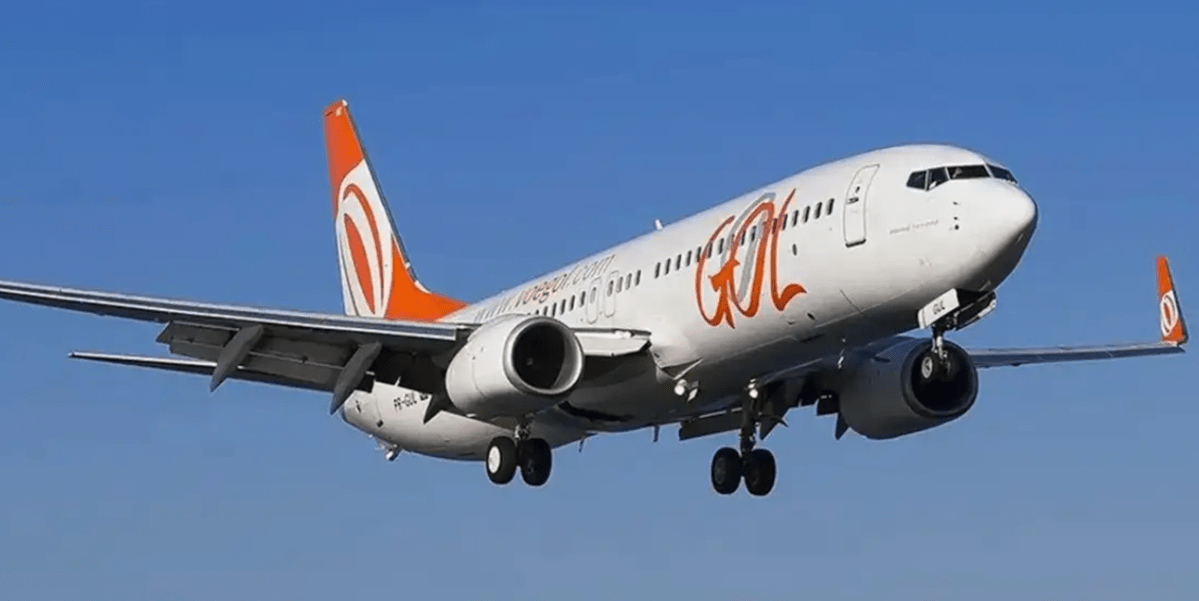
Among carriers, Gol is expected to be the most affected by a potential new increase in jet fuel prices, given its higher financial leverage and strong reliance on the domestic market, where passing costs through to fares is more constrained, according to industry sources.
Azul also faces meaningful pressure but benefits from some protection through regional routes and greater pricing power in less competitive markets. Latam appears the most resilient, supported by geographic diversification, higher exposure to U.S. dollar revenues, and international and cargo operations that help offset fuel costs.
In practice, airlines are seeking to preempt a new cost shock before it reaches consumers, at a time when the government is trying to expand access to air travel. For now, ANAC says there is no clear evidence of fare increases linked to jet fuel, but the industry is positioning ahead of the next pricing cycle.
Recent history underscores the risks: during the pandemic, a collapse in demand combined with elevated fuel costs severely pressured the sector, pushing airlines into financial restructuring processes to renegotiate liabilities and preserve liquidity.