By Brazil Stock Guide — Ambar Energia, the energy arm of J&F, will invest R$65 million to expand biomethane production at three plants linked to Friboi’s operations, in another step by the group to convert industrial waste into renewable energy.
The investment will be directed to the Campo Grande II plant in Mato Grosso do Sul and the Lins and Andradina units in São Paulo. According to the company, the project has the potential to add more than 14 million cubic meters of biomethane per year to the group’s energy mix, helping replace fossil fuels with a renewable alternative produced from its own industrial operations.
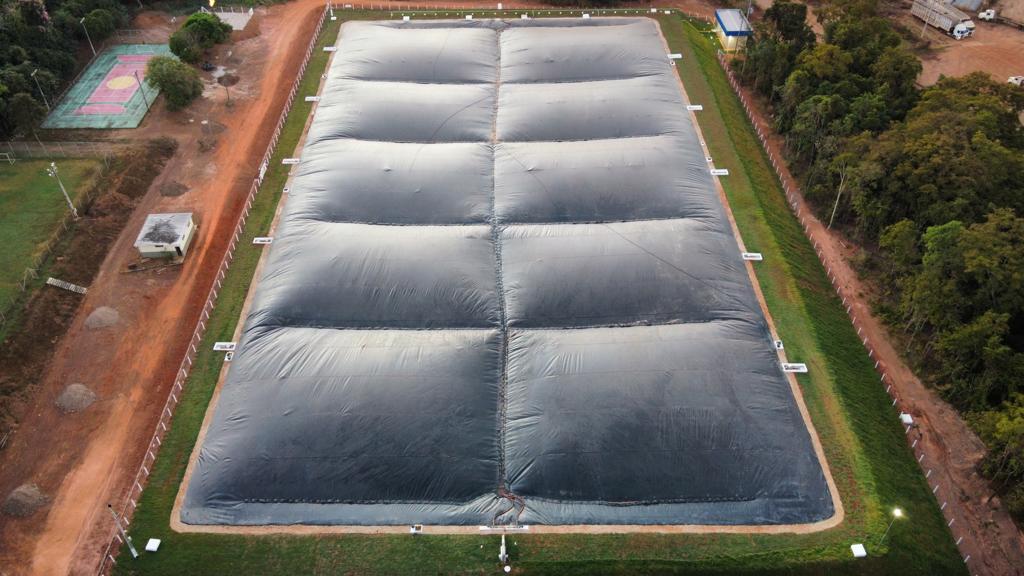
The initiative marks a new phase in the energy use of residues generated by JBS’s beef operations. The project began in 2021, when Friboi installed biodigesters at nine meatpacking plants to treat effluents, capture methane generated by industrial activity and convert it into biogas. Since 2023, the company says this effort has avoided more than 263,000 tons of CO₂ equivalent emissions.
In 2023, four Friboi plants — Ituiutaba in Minas Gerais, Mozarlândia in Goiás, Barra do Garças in Mato Grosso and Andradina in São Paulo — began generating electricity from methane captured in biodigesters, replacing diesel with biogas. The program has already generated more than 13,000 MWh of renewable energy, an amount the company says would be enough to supply about 7,000 Brazilian homes for one year.
The new phase, led by Âmbar, raises both the scale and the ambition of the project. While biogas has been used directly to generate electricity at industrial sites, biomethane is a higher-value renewable fuel with broader applications. It can replace fossil fuels in industrial and logistics operations and may also be used by other companies within the J&F group.
The move also reflects a broader trend among large Brazilian industrial groups: turning environmental liabilities and operating waste into energy assets. In JBS’s case, the opportunity is supported by a large geographic footprint, steady generation of organic residues and significant energy demand across its operations.
“We are expanding solutions that combine operating efficiency, energy diversification and emissions reduction by transforming waste into an energy source,” said Sérgio Sampaio, Friboi’s operations director. “In addition to replacing fossil fuels, biogas allows us to advance a circular-economy model in which industrial waste generates value within our own production chain.”
For Âmbar, the project works as a decarbonization platform inside the J&F ecosystem. The group’s energy company has been positioning itself around transition-related solutions, and biomethane offers a bridge between operating efficiency, lower emissions and more secure energy supply.
“Together, we are combining JBS’s operational reach with our expertise in biogas and biomethane to build a solution that goes beyond a single project,” said Marcelo Dresch, Âmbar’s sustainability and biogas manager. “This is a decarbonization platform with growth potential both within the group itself and for the broader market.”
The investment comes as biomethane gains relevance in Brazil’s energy debate, particularly because of its ability to replace diesel and fossil natural gas in parts of the industrial and transportation matrix. For companies that generate their own organic waste — including meatpackers, sugar and ethanol producers and sanitation companies — the fuel creates a dual opportunity: reducing emissions while extracting economic value from waste streams that were previously treated mainly as an operating cost.
For J&F, the project also has a strategic reading. By connecting JBS’s protein operations with Âmbar’s energy platform, the group is trying to capture internal synergies in an agenda that speaks directly to investors, regulators and global customers increasingly focused on the environmental traceability of food supply chains.