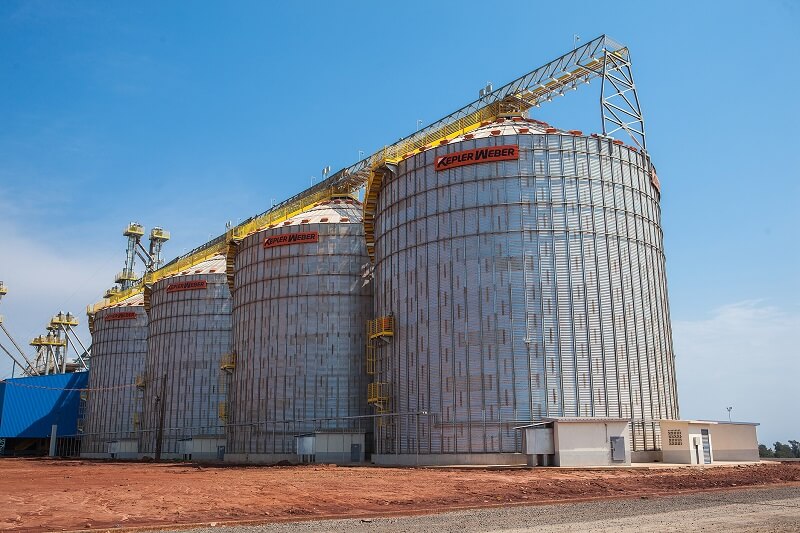
By Brazil Stock Guide – Kepler Weber (B3: KEPL3) delivered a 28.5% jump in fourth-quarter net profit to R$64.8 million, even as revenue declined 13.3% year-on-year to R$398.7 million, highlighting margin resilience and one-off tax gains in a more restrictive investment cycle. The quarter capped a challenging centennial year marked by high interest rates and weaker farm spending, yet strong international sales and cost discipline helped offset domestic softness.
Net margin expanded 5.2 percentage points to 16.2%, while EBITDA fell 17.7% to R$67.5 million, with margin edging down to 16.9%. For the full year, revenue reached R$1.49 billion, down 7.3%, and net income declined 21.5% to R$156.3 million. The fourth quarter alone accounted for 41% of annual profit, underscoring the impact of tax credits and improved operational leverage. International revenue surged 31.4% in the quarter to a record R$102.6 million, with Argentina representing 23% of foreign sales in 2025 after expanding 16-fold year-on-year.
Segment Pressure
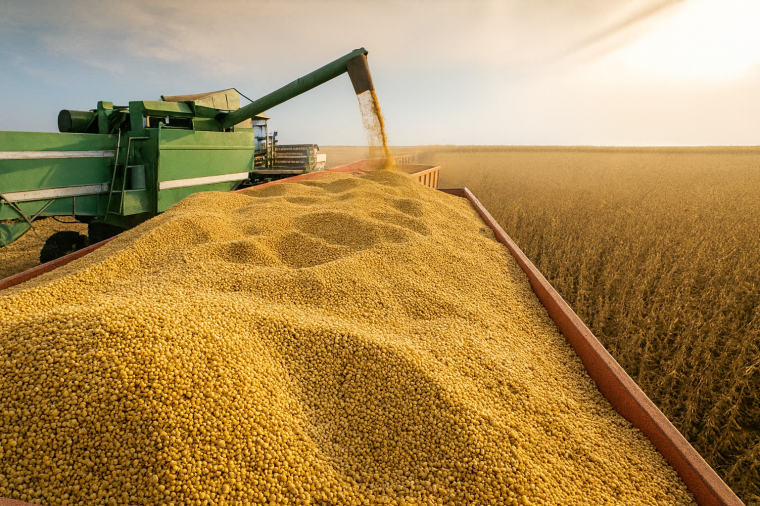
Domestic segments tied to farm and agro-industrial investment remained under pressure. Revenue in Farms fell 26.4%, while Agroindustries dropped 32.9% amid tighter rural credit and weaker rice prices. Gross margin in Agroindustries compressed 7.4 percentage points, reflecting lower fixed-cost dilution and higher competition. Ports and Terminals revenue declined 38.9%, consistent with project-timing dynamics.
In contrast, Replacement & Services revenue rose 10.1% in 2025, reinforcing recurring income stability. International operations gained prominence, now representing 26% of quarterly revenue, versus 17% a year earlier.
Cash Discipline
Kepler Weber maintained financial flexibility, ending the year with R$316.4 million in cash against total debt of R$315.2 million, effectively neutral net debt. In 2025, the company distributed R$145 million in dividends — a payout ratio of 92.8% on a cash basis — reflecting management’s decision to accelerate shareholder returns ahead of Brazil’s new dividend taxation regime in 2026.
Capital expenditures rose 50% in 2025 to R$71.2 million, focused on innovation, SAP S/4HANA implementation, automation and digital resilience. Return on invested capital stood at 23% in 4Q25, though partly influenced by non-recurring tax effects.
Outlook 2026
Management expects 2026 to remain macro-challenging, particularly for farm-related demand. International markets and replacement services should continue cushioning cyclicality. While margins benefited from tax credits this quarter, sustaining profitability will depend on execution discipline and project mix in a more competitive export environment.