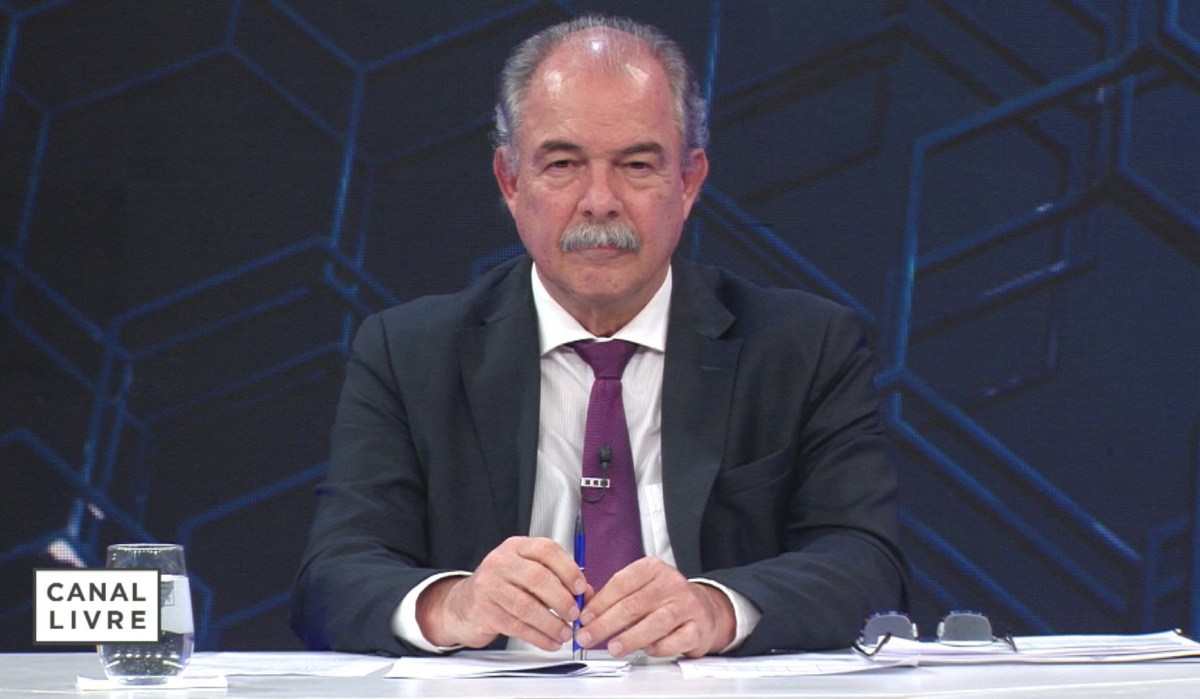
By Brazil Stock Guide – Aloizio Mercadante, president of BNDES, said in an interview with Canal Livre, on Band, that Brazil has the conditions to build its own energy transition strategy by combining biofuels, flex-hybrid vehicles, critical minerals, batteries, refining capacity and oil production.
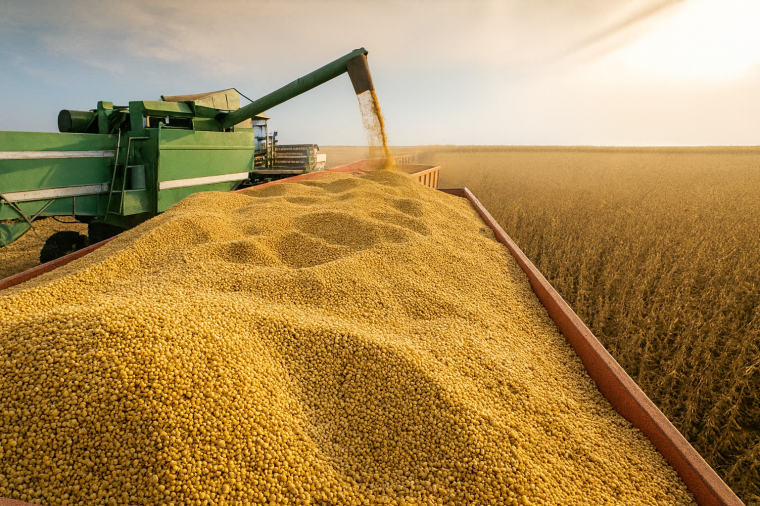
Mercadante argued that Brazil does not need to follow a single technological route. While China has moved quickly into electric vehicles, he said Brazil can build on existing advantages such as ethanol, biodiesel, large-scale agriculture and an established automotive supply chain.
Biofuels and Industry
Mercadante cited corn ethanol, which he said already accounts for about 25% of Brazil’s ethanol production, as an example of how agriculture and energy are increasingly linked. He also pointed to biodiesel as an alternative for heavy transport, saying it can reduce black smoke emissions by 92% and carbon emissions by 62%, while using existing truck platforms with limited technological adaptation.
The BNDES president also said the bank has supported research and development projects involving Volkswagen, Stellantis, Toyota and Bosch in Brazil. He highlighted the flex-hybrid route, which combines partial electrification with renewable fuels, as a way to use existing infrastructure while preserving part of Brazil’s industrial base.
Oil and Refining
The interview also addressed the role of oil in Brazil’s energy policy. Mercadante defended further studies and drilling in the Equatorial Margin, saying the region’s geological potential still needs to be confirmed. He compared the area’s possible potential to the pre-salt, while noting that reserves can only be proven once drilling reaches oil.
Mercadante also said Petrobras is producing at around 98% of capacity and that Brazil has reached record oil output. Still, he argued that the country should expand refining capacity because exporting crude oil while importing refined fuels leaves Brazil more exposed to external price shocks.
Critical Minerals
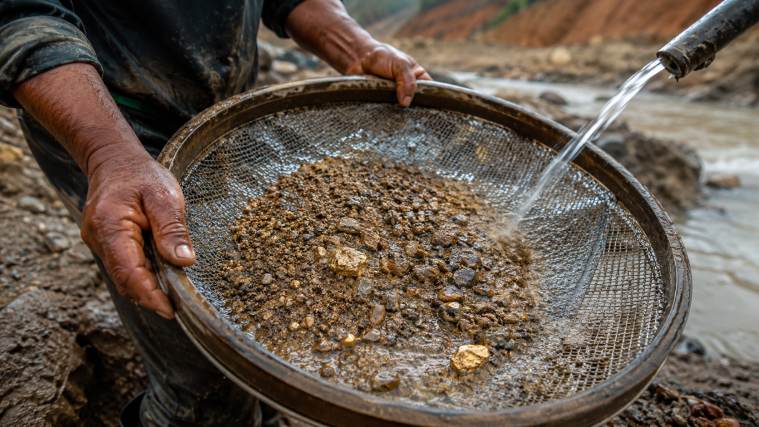
Another key topic was the global race for critical minerals and rare earths. Mercadante said Brazil holds about 23% of global rare-earth reserves, compared with China’s roughly 45%, but still lacks a full map and a complete industrial chain for those resources.
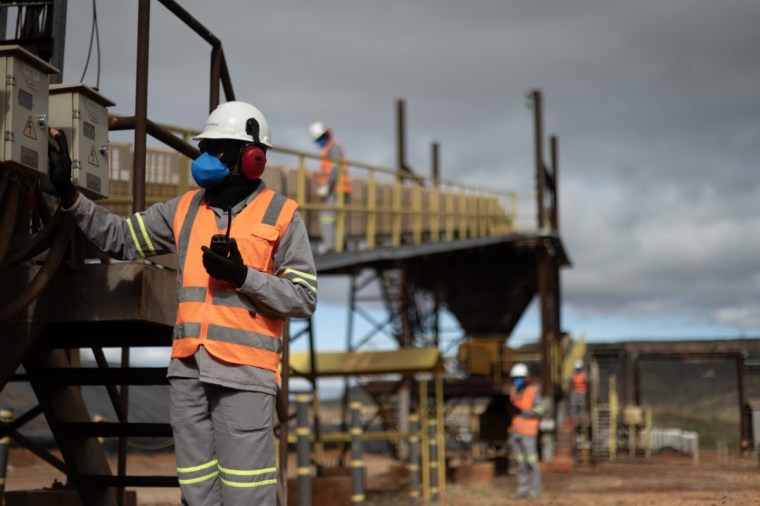
He mentioned lithium, niobium and rare earths as important inputs for batteries, defense, electric mobility and new technologies. According to Mercadante, BNDES has 58 critical-minerals projects under review, with estimated credit demand of about R$50 billion.
The Role of BNDES
Mercadante defended the use of BNDES credit for sectors considered strategic, including innovation, fertilizers, infrastructure, biofuels, critical minerals and fleet renewal. He said only 23% of the bank’s credit portfolio involves some type of subsidy, while the rest operates without direct subsidies.
His comments suggest that BNDES will continue to act as a key financier of projects linked to the energy transition and industrial policy. The strategy combines energy security, lower emissions, mineral value-added and support for Brazil’s domestic productive base.
A Combined Transition
The central message of the interview was that Brazil’s energy transition is likely to be hybrid. Rather than rapidly replacing one energy model with another, the path described by Mercadante combines oil, refining, biofuels, partial electrification, batteries and critical minerals.