By Brazil Stock Guide – Foreign ministers of Mercosur member states will meet on Sept. 16 in Rio de Janeiro to sign a Free Trade Agreement with the European Free Trade Association (EFTA), which includes Switzerland, Norway, Iceland and Liechtenstein. The deal, concluded in July after eight years of talks, is seen as a step to expand market access as Brazil faces steep US tariffs under Donald Trump’s administration.
The agreement creates a zone of nearly 300 million people with combined GDP of $4.3 trillion. More than 97% of exports between the two blocs will gain preferential access. In 2024, Brazil exported $3.1 billion and imported $4.1 billion in goods from EFTA. Government projections show the accord could add R$2.69 billion ($540 million) to GDP and R$660 million ($133 million) in investments by 2044, while boosting exports by R$3.34 billion ($675 million) and imports by R$2.57 billion ($520 million). Officials also expect lower consumer prices and higher real wages.
Farm and industry gains
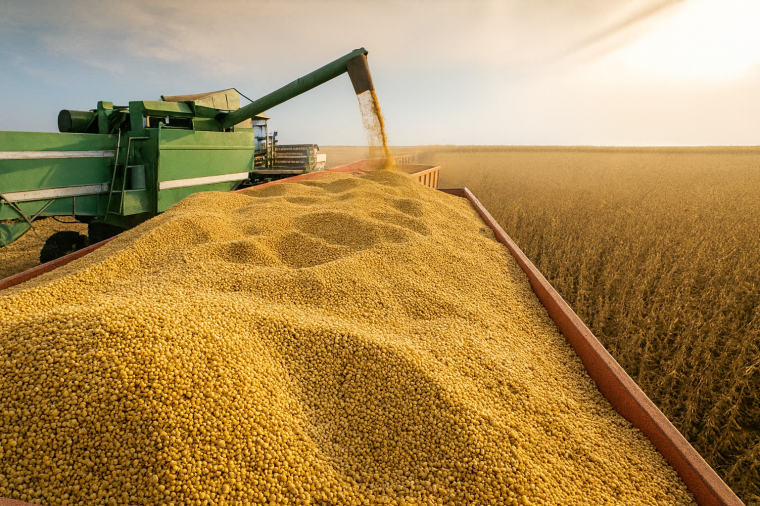
The pact will eliminate 100% of industrial and fisheries tariffs and create quotas for farm goods. Brazilian exports such as beef, poultry, pork, corn, soymeal, honey, roasted coffee and fruit juices will gain wider access. On the reverse path, Norwegian salmon, now subject to a 10% tariff, will gradually enter duty-free. Brazilian chicken will gain tariff-free quotas in Norway.
The deal could pave the way for a long-delayed EU-Mercosur accord, giving the South American bloc preferential access to nearly all European markets. For Brazil, which along with Switzerland faces the highest US tariffs, the pact diversifies trade partners and mitigates risks from protectionism. The agreement may enter into force bilaterally, once at least one country in each bloc completes ratification.
Winners include Brazil’s meat exporters, who will gain access to high-income markets, and Norwegian fisheries, which can expand salmon exports. Losers may include local producers in both blocs facing tougher competition. By 2044, Brazil expects a net trade surplus of R$770 million ($155 million) from the deal.