By Brazil Stock Guide — Oleoplan, a family company founded in southern Brazil in 1979 by the Boff family, has gone through cycles, sold non-core assets and consolidated itself as a “feedstock-flex” operator anchored in governance. Biodiesel already accounts for 65% of revenue, which reached about R$6.5 billion in 2024.
Oleoplan’s strategy is “feedstock-flex,” a concept that refers to the ability of an industrial plant to operate with different raw materials. In the case of biodiesel, this means not depending solely on soybean oil, but also using animal fats, cottonseed oil and palm oil.
This ensures resilience, reduces exposure to the price of a single commodity, takes advantage of abundant feedstocks in each region and improves the carbon footprint in regulatory programs such as RenovaBio, Brazil’s decarbonization program. Rio Grande do Sul remains the hub, now a major biodiesel exporter, supported by a network of warehouses in the countryside.
“We prefer to be the second largest in volume, but the first in margin and profitability. The IPO did not happen, but governance remained, and this allows us to grow sustainably,” said Marcos Merlin Boff, CEO and shareholder of Oleoplan, in a recent conversation for Nexo’s podcast.
Expansion in Bahia
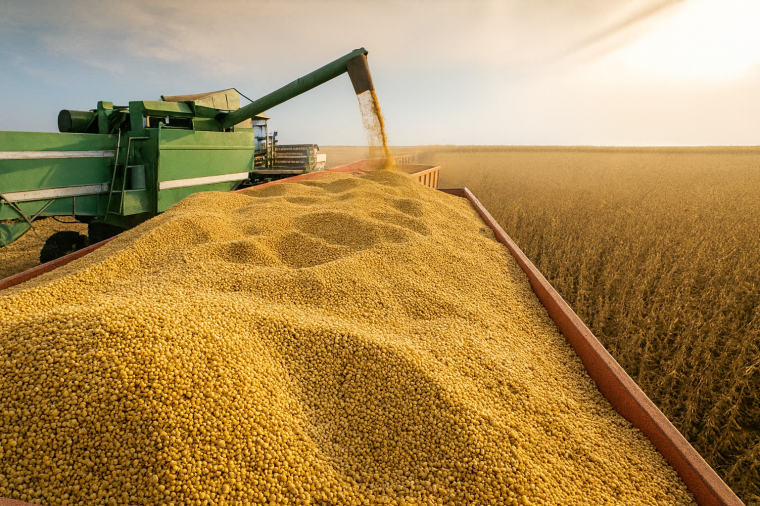
Under Boff’s leadership family, the company increased its soybean crushing capacity from around three trucks per day in the late 1970s to more than 75 in Veranópolis (RS), where it was founded, and another 75 in Iraquara (BA).
At the end of July, Oleoplan announced an investment of R$300 million in Bahia through 2026, with new production capacity of 1.65 million liters of biodiesel per day, a 27% increase compared to the current level, and the creation of 418 direct jobs. The company invests about R$199 million per year in family farming programs. Biodiesel already accounts for 65% of revenue, while the remainder comes from activities such as the production and export of soybean oil and meal, as well as agro-industrial inputs.
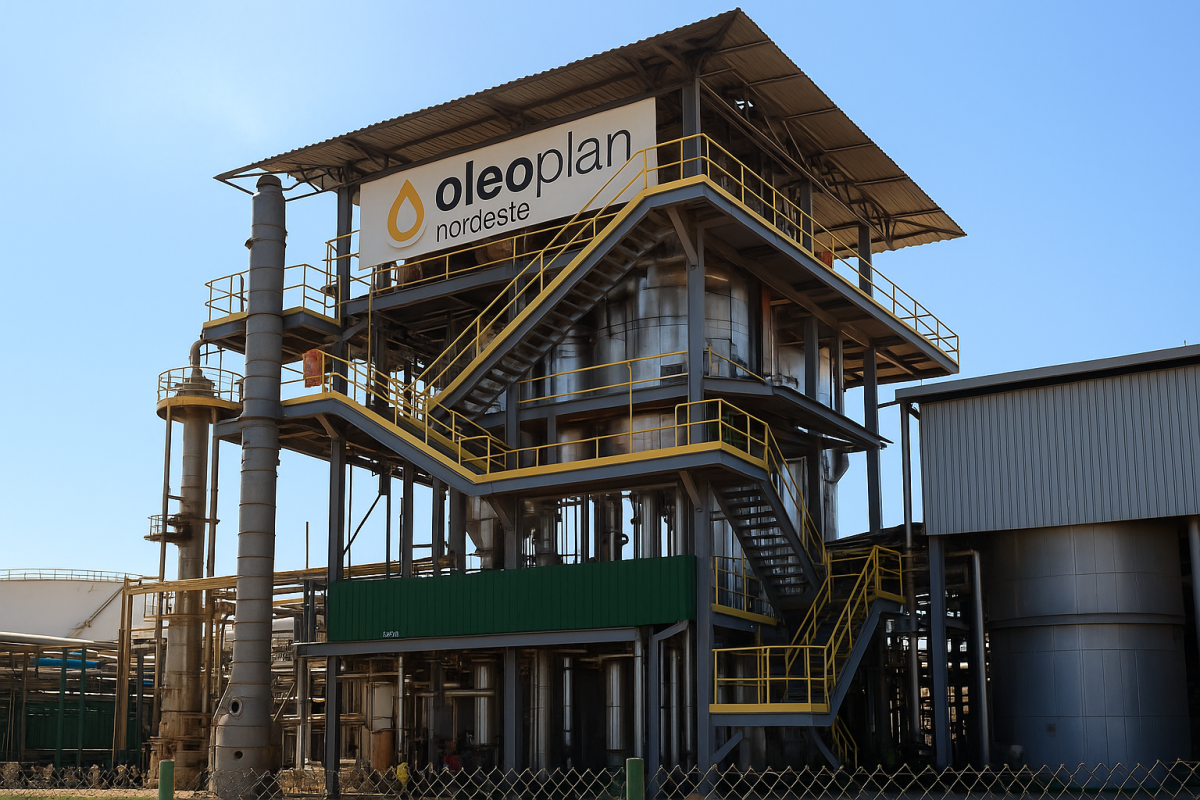
After some diversification — such as wind farms from 2014 to 2017, sold in 2023, and the footwear components business, also divested — the company has reconcentrated capital in the biodiesel core. In the North and Northeast, it advanced with units in Bahia, where it reactivated a plant that is now one of its main operations, as well as in Pará and Rondônia, producing from a mix of animal fat and soybean oil.
In Roraima, it maintains palm plantations and is preparing a new biodiesel plant for early 2026. In Mato Grosso, the acquisition of GreenVentures was completed in 2025. The logic is clear: to seek less competitive markets where efficiency translates into margin.
Corporate governance
Without going public, Oleoplan imported the “listed-company playbook”: a board with independent members, committees, a governance officer and monthly rituals. The IPO prepared in 2020 did not happen, but the structure remained. Combined with the production map that stretches from Rio Grande do Sul to the North of the country, it supports the thesis of profitability above the sector average.
The board of directors was expanded and the company created People and Audit & Finance committees, is considering setting up Risk and Sustainability committees and maintains a governance officer.
The internal culture emphasizes an ownership mindset, meritocracy, performance evaluation and succession planning, he said.he company set up People and Audit & Finance committees, is considering Risk and Sustainability committees, and maintains a governance officer. Internally, Oleoplan emphasizes ownership mindset, meritocracy, performance reviews and succession planning, reports Boff to podcast Nexo.