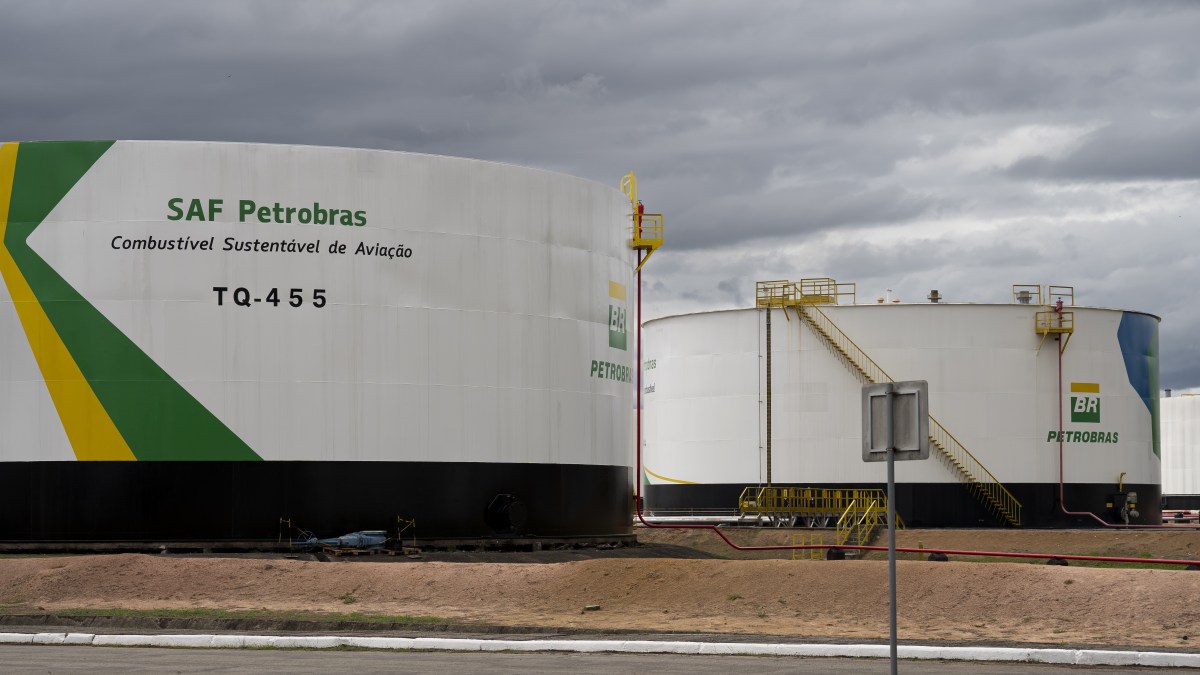
By Brazil Stock Guide – Brazilian state-controlled oil producer Petrobras (NYSE: PBR; B3: PETR3, PETR4) sold its first batch of sustainable aviation fuel made from soy oil certified under international CORSIA low-ILUC standards, marking a step in the company’s push to expand lower-carbon products for the aviation market.
The 3,800-cubic-meter batch was produced at the Duque de Caxias refinery, known as Reduc, in Rio de Janeiro, with 1% renewable content in the blend, according to Petrobras. The company said the level is aligned with initial requirements set by Brazil’s Fuel of the Future law for reducing emissions in domestic aviation.
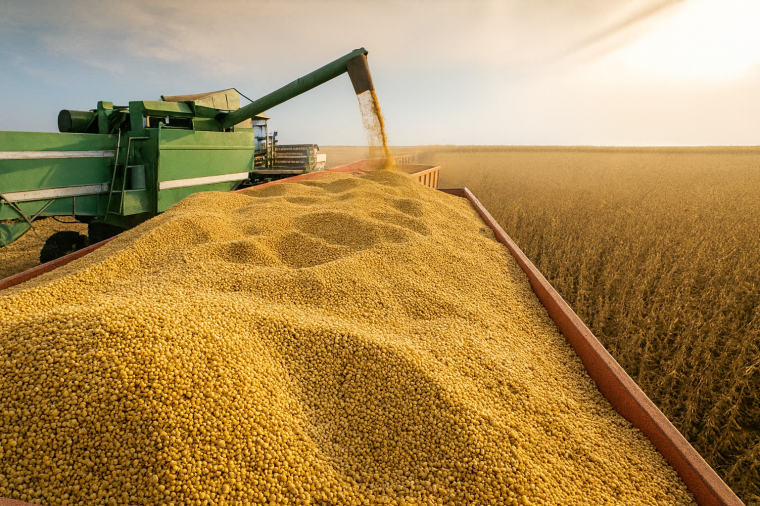
The information is from Agência Petrobras. The soy oil used in the batch was supplied by Bunge (NYSE: BG) and certified under CORSIA Low ILUC Risk, a program linked to the International Civil Aviation Organization that assesses sustainability criteria and lower risk of indirect land-use change.
Petrobras said the batch is the world’s first soy-based SAF with an associated international CORSIA low-ILUC certification. The label indicates that the feedstock was not sourced from deforestation and does not indirectly encourage the conversion of new land areas.
The fuel was sold to Vibra Energia (B3: VBBR3), expanding the supply of aviation fuel with renewable content in Brazil. Petrobras said the transaction adds a new certified feedstock to its SAF production process, increasing operational flexibility while supporting the use of raw materials with verifiable sustainability credentials.
“The sale of the world’s first SAF made with soy certified as low-ILUC risk demonstrates Petrobras’ commitment to sustainability, the energy transition and the development of products aligned with the demands of the market and society. More than that, it also reflects our firm purpose of encouraging our suppliers’ production chain to adopt verifiable sustainable practices,” said Angélica Laureano, Petrobras’ director of logistics, trading and markets.
The company produced the batch through co-processing, a method that allows renewable feedstocks to be integrated into existing refining infrastructure. Petrobras said the process can help expand its capacity to supply fuels with lower carbon intensity without relying exclusively on new industrial units.
By using internationally recognized parameters for SAF production, Petrobras said it aims to support the competitiveness of sustainable feedstocks and strengthen Brazil’s renewable aviation fuel chain. The initiative is part of the company’s broader strategy to develop lower-emission products while maintaining its role in fuel supply.