
By Brazil Stock Guide – Phoenix Água e Energia fund filed an administrative appeal on Friday (Dec. 19) with Brazil’s antitrust authority, Cade, challenging the unconditional approval of the sale of control of Empresa Metropolitana de Águas e Energia (Emae) to Sabesp. The challenge, filed by Cascione Advogados, goes beyond technical antitrust arguments and brings renewed attention to a transaction shaped by shareholder disputes, financial distress and potentially far-reaching effects on Brazil’s water and power sectors.
Emae was privatized in 2024 through a state auction and acquired by Phoenix, a fund that had businessman Nelson Tanure as a reference investor. To finance the acquisition, Phoenix issued debentures whose first payment, due in September 2025, was not made. The default triggered the enforcement of collateral — including Emae shares — paving the way for negotiations with Sabesp. The transaction was notified to Cade in October 2025 and cleared under a fast-track review at the end of the year.
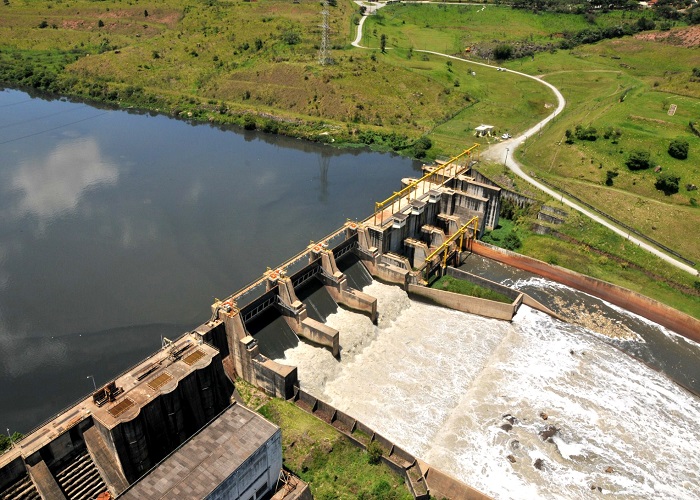
It is this clearance that Phoenix is now contesting. In its appeal, the fund argues that the deal cannot be treated as a routine change of corporate control. According to the filing, the sale of Emae to Sabesp creates an unprecedented situation in Brazil: a vertical integration between two private natural monopolies that operate essential public services. Emae manages multi-use water reservoirs, while Sabesp holds the monopoly over water supply and sanitation in the São Paulo metropolitan region.
A central pillar of the challenge is what Phoenix describes as a contradiction between Sabesp’s narrative to investors and its arguments before the regulator. In market presentations, the company has highlighted efficiency gains, greater operational flexibility, expanded storage capacity and cost reductions stemming from the acquisition. Before Cade, however, Sabesp argued that no relevant vertical integration exists because both companies’ activities are tightly constrained by sector regulation. For Phoenix, the two positions are mutually exclusive: if integration does not exist, the economic benefits touted to investors lack substance; if it does, as suggested by Sabesp’s own materials, the competitive risks require a far more robust review.
Phoenix also points to the risk of conflicts of interest in reservoir management. By controlling EMAE, Sabesp could influence decisions on water use in favor of supply operations, potentially at the expense of power generation or other public uses. Such a shift, the fund argues, could distort long-term incentives and entrench market power. The appeal further criticizes Cade’s reliance on the assumption that sector regulation alone is sufficient to mitigate these risks, noting the absence of a specific regulatory framework for this type of vertical integration and the fact that Brazil’s power regulator has yet to conclude its own review of the transaction.
Beyond the substantive antitrust issues, the appeal raises an institutional concern. Cade’s investigative arm denied Phoenix formal third-party status, even while acknowledging that the fund’s submissions prompted the authority to request additional information from the parties. According to Phoenix, this approach weakens the role of third parties in merger reviews and concentrates excessive discretion in the hands of the authority itself over which cases reach Cade’s tribunal.
Phoenix is asking the tribunal to reassess the approval, potentially overturning it or imposing remedies. In the fund’s view, leaving the decision untouched would normalize a sensitive precedent — both competitively and institutionally — in a strategic sector, with lasting implications for investors, regulators and Brazil’s public policy on water and energy.